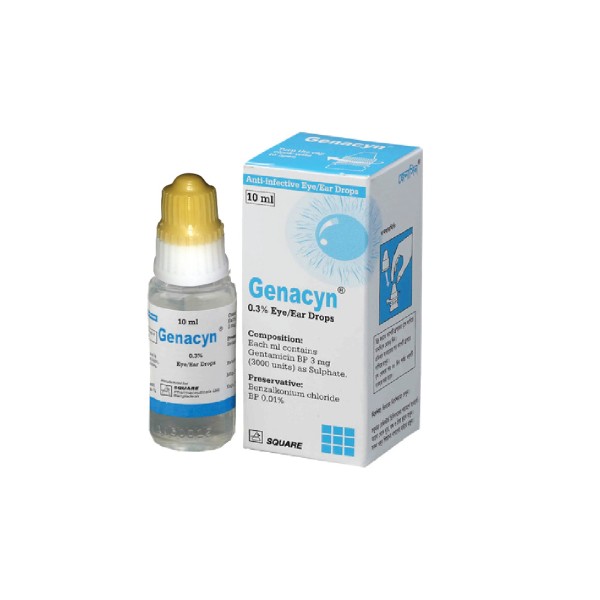
- Stock: In Stock
- Brand: Square Pharmaceuticals
- Product ID: Gentamicin Sulphate
🔒 100% Secure Payment | bKash | Nagad | SSLCommerz | COD
⭐ Become a FREE Member: 7% Extra Savings • Free Delivery • Refill Reminders • Priority Support
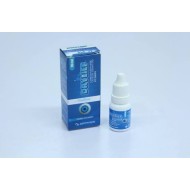
| Generic Name | Gentamicin Sulfate |
|---|---|
| Strength | 0.3% |
| Dosage Form | Eye/Ear Drop Solution |
| Manufacturer | Square Pharmaceuticals PLC |
| Therapeutic Class | Aminoglycosides, Ophthalmic Antibacterial Drugs |
| Pack Size | 10 ml bottle |
Overview
Genacyn 0.3% Eye/Ear Drops (Gentamicin Sulfate) is a broad-spectrum aminoglycoside antibiotic solution indicated for ophthalmic and otic bacterial infections. Gentamicin exerts bactericidal action by binding to the 30S ribosomal subunit, causing misreading of the mRNA template and inhibiting bacterial protein synthesis. It is effective against a wide range of gram-negative organisms (Pseudomonas aeruginosa, E. coli, Klebsiella, Proteus) and many gram-positive bacteria. Ophthalmic indications include blepharitis, conjunctivitis, keratitis, and corneal ulcers. Otic indications include otorrhoea and bacterial otitis externa.
Dosage and Administration
Eye: Instil 1–2 drops into the affected eye(s) up to 6 times daily. In severe infections, instil 1–2 drops every 15–20 minutes initially, then reduce frequency as the infection comes under control. Ear: Instil 2–3 drops into the affected ear 3–4 times daily and at bedtime, or more frequently if required. Clean the ear canal gently before instillation. Tilt the head to allow drops to penetrate the ear canal; maintain position for 2–3 minutes. Continue treatment for the full prescribed course even if symptoms improve early.
Interaction
Systemic absorption from topical ophthalmic or otic use is generally minimal. However, concurrent systemic use of nephrotoxic drugs (other aminoglycosides, vancomycin, ciclosporin) or ototoxic drugs should be monitored, particularly if large quantities are applied or the eardrum is perforated allowing greater absorption.
Contraindications
Contraindicated in patients with known hypersensitivity to gentamicin or other aminoglycosides. Ear drops should not be used if the tympanic membrane (eardrum) is known to be perforated, due to risk of ototoxicity from systemic absorption. Not for intraocular injection.
Side Effects
Ocular: transient burning, stinging, or itching upon instillation; conjunctival erythema; rarely, hypersensitivity reactions or superficial punctate keratitis with prolonged use. Otic: local irritation, burning sensation in the ear canal. Prolonged use may result in overgrowth of non-susceptible organisms including fungi. Systemic aminoglycoside toxicity (nephrotoxicity, ototoxicity) is unlikely with topical use on intact surfaces.
Pregnancy and Lactation
Systemic absorption from topical ophthalmic or otic gentamicin is very low. Use during pregnancy and lactation is generally considered safe when applied as directed. However, consult a physician before use, particularly during the first trimester or if large areas of inflamed or damaged tissue are involved.
Precautions and Warnings
Do not use ear drops if the eardrum is suspected to be perforated — seek medical evaluation first. Prolonged use (beyond 2 weeks) without reassessment may lead to fungal superinfection or bacterial resistance. Remove contact lenses before instilling eye drops and wait at least 15 minutes before reinserting. Do not touch the dropper tip to any surface to prevent contamination. Discard remaining solution 4 weeks after opening.
Storage Conditions
Store below 25°C, protected from light. Keep out of reach of children. Do not freeze. Discard 4 weeks after first opening.
Frequently Asked Questions
Q: Can Genacyn Eye/Ear Drops be used for both eyes and ears in the same patient?
A: Yes, the same 0.3% gentamicin sulfate solution is indicated for both ophthalmic and otic use. However, use separate bottles for eye and ear applications to avoid cross-contamination. The dosing frequency differs — follow your physician's instructions for each site separately.
Q: How do I know if my ear infection is suitable for Genacyn ear drops?
A: Genacyn ear drops are suitable for bacterial infections of the outer ear canal (otitis externa) with an intact eardrum. If you have ear pain with fever, hearing loss, or discharge through a perforated eardrum, seek medical evaluation before using ear drops, as some conditions require different treatment and ear drops can worsen perforated eardrum complications.