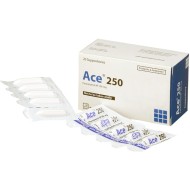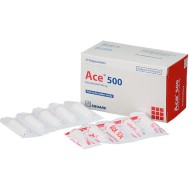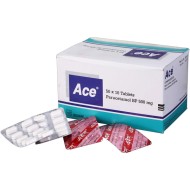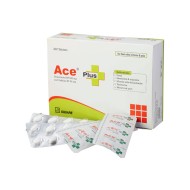
- Stock: In Stock
- Brand: Beximco Pharmaceutical
- Product ID: Vitamin B complex
🔒 100% Secure Payment | bKash | Nagad | SSLCommerz | COD
⭐ Become a FREE Member: 7% Extra Savings • Free Delivery • Refill Reminders • Priority Support
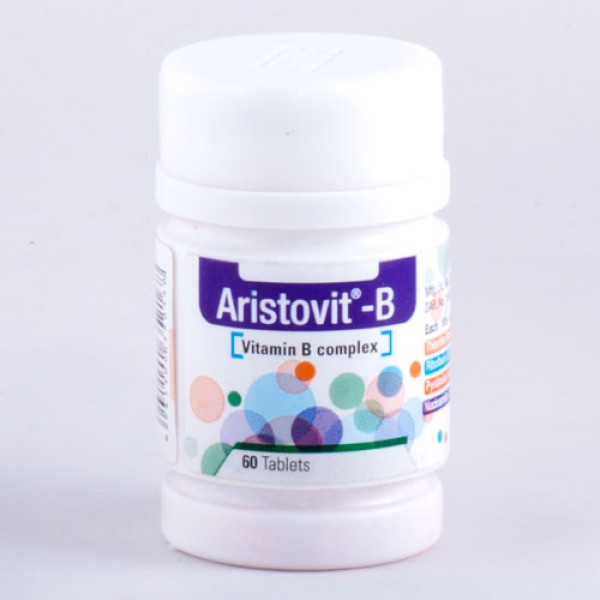
Aristovit B Tablet — Vitamin B Complex | Beximco Pharmaceuticals
| Product Type | Vitamin B Complex Supplement |
| Key Vitamins | B1 (Thiamine), B2 (Riboflavin), B3 (Niacin), B5 (Pantothenic Acid), B6 (Pyridoxine), B7 (Biotin), B9 (Folic Acid), B12 (Cyanocobalamin) |
| Dosage Form | Tablet |
| Manufacturer | Beximco Pharmaceuticals Ltd. |
| Category | Nutritional Supplement / Neurotropic Vitamin |
Overview
Aristovit B is a comprehensive Vitamin B Complex formulation containing all eight essential B vitamins — B1 (Thiamine), B2 (Riboflavin), B3 (Niacin), B5 (Pantothenic Acid), B6 (Pyridoxine), B7 (Biotin), B9 (Folic Acid), and B12 (Cyanocobalamin). The B vitamins are water-soluble coenzymes that collectively support energy metabolism, nervous system function, red blood cell formation, DNA synthesis, and cellular repair. Because they are water-soluble and not stored by the body in significant quantities (with the exception of B12), daily replenishment through diet or supplementation is essential. Aristovit B is particularly valuable for diabetic patients, individuals on metformin therapy, vegetarians and vegans, elderly adults, and anyone with increased nutritional demands due to illness, stress, or poor dietary intake.
Individual B Vitamins — Functions and Diabetes Relevance
| Vitamin | Primary Function | Relevance in Diabetes |
|---|---|---|
| B1 — Thiamine | Glucose metabolism (pyruvate dehydrogenase cofactor); nerve conduction; cardiac function | Deficiency accelerates advanced glycation end-product (AGE) formation worsening diabetic nephropathy and neuropathy. Benfotiamine (fat-soluble thiamine analogue) has strong evidence for reducing diabetic microvascular complications. Many diabetics have low thiamine due to increased urinary excretion. |
| B2 — Riboflavin | Electron transport chain; fatty acid oxidation; antioxidant regeneration (FAD/FMN cofactor) | Supports mitochondrial function; helps regenerate glutathione — key antioxidant depleted by chronic hyperglycaemia |
| B3 — Niacin (Nicotinamide) | NAD+/NADH synthesis; DNA repair; energy metabolism | Nicotinamide may preserve pancreatic beta-cell function; NAD+ precursors support cellular energy — relevant in diabetic mitochondrial dysfunction. Note: high-dose niacin (nicotinic acid form) can worsen insulin resistance — not a concern at standard supplement doses. |
| B5 — Pantothenic Acid | Coenzyme A synthesis; fatty acid metabolism; steroid hormone synthesis | Essential for cortisol production (stress response); supports lipid metabolism — relevant given dyslipidaemia in type 2 diabetes |
| B6 — Pyridoxine | Amino acid metabolism; neurotransmitter synthesis (serotonin, GABA); haemoglobin synthesis | Deficiency worsens peripheral neuropathy — B6 with B1 and B12 (neurotropic triad) is standard clinical practice for diabetic neuropathy. Pyridoxine may inhibit AGE formation and reduce glycation of proteins. |
| B7 — Biotin | Carboxylase enzyme cofactor; gluconeogenesis; fatty acid synthesis | Biotin enhances insulin action on glucokinase (the enzyme that regulates glucose uptake in the liver) — high-dose biotin may modestly improve fasting glucose and HbA1c. Also essential for healthy hair and nails — often depleted in diabetics with poor nutrition. |
| B9 — Folic Acid | DNA synthesis and repair; red blood cell formation; homocysteine metabolism | Elevated homocysteine (common in diabetes) is an independent cardiovascular risk factor; folic acid reduces homocysteine levels. Essential for women with diabetes planning pregnancy — reduces neural tube defect risk. |
| B12 — Cyanocobalamin | Nerve myelin sheath synthesis; DNA synthesis; red blood cell maturation | Most critical B vitamin for diabetics on metformin. Metformin blocks B12 absorption in the terminal ileum — up to 30% of long-term metformin users develop B12 deficiency. B12 deficiency causes peripheral neuropathy, macrocytic anaemia, cognitive impairment, and fatigue — mimicking and worsening diabetic neuropathy. Regular B12 monitoring and supplementation is standard of care for all metformin users. |
Dosage and Administration
| Indication | Dose | Notes |
|---|---|---|
| General nutritional supplementation | 1 tablet daily | With or after food; reduces nausea from B vitamins |
| Metformin-associated B12 deficiency (mild) | 1 tablet daily as a complement; physician may add high-dose B12 separately | Check serum B12 level — severe deficiency requires 500–1000 mcg B12/day or intramuscular injection |
| Diabetic peripheral neuropathy (supportive) | 1 tablet daily; physician may prescribe neurotropic B-vitamin combination additionally | Results take 3–6 months; neurotropic B-complex (Neurobion-type) prescribed alongside for established neuropathy |
Take with water, with or after food. B vitamins may cause urine to appear bright yellow (riboflavin) — this is normal and harmless. Take in the morning if B vitamins cause sleep disturbance.
Key Diabetic Patient Guidance
- Metformin and B12: If you have been on metformin for more than 1 year, ask your physician to check serum B12 and folate levels annually. The amount of B12 in a standard B-complex tablet (typically 2.4–6 mcg) maintains normal levels but may not adequately replenish severe deficiency — a separate high-dose B12 supplement may be required
- Neuropathy support: The neurotropic triad — B1 (thiamine), B6 (pyridoxine), B12 (cobalamin) — is used clinically to support nerve health and reduce neuropathic pain in diabetic peripheral neuropathy. Aristovit B provides all three. Discuss with your physician whether a dedicated neurotropic B-complex at higher doses is appropriate for established neuropathy
- Not a substitute for glycaemic control: B vitamins support nerve and metabolic health but cannot prevent progression of diabetic neuropathy, nephropathy, or retinopathy if blood glucose remains poorly controlled. Optimal HbA1c remains the primary intervention
- Pregnancy in diabetes: Diabetic women planning pregnancy require adequate folic acid (typically 5 mg/day prescribed separately) — the dose in a standard B-complex tablet (400–800 mcg) is insufficient if diabetic — consult your physician
Storage
Store below 30°C in a cool, dry place. Protect from light and moisture. Keep out of reach of children. Do not use after the expiry date printed on the pack.
FAQ
Q: I am a diabetic taking metformin. Do I really need B12 supplementation?
Yes — this is one of the strongest evidence-based recommendations for all diabetic patients on long-term metformin. Metformin competitively inhibits calcium-dependent B12 absorption in the terminal ileum. B12 deficiency develops silently over years (the liver stores 2–5 years of B12). By the time symptoms appear (tingling, numbness, cognitive changes, anaemia), significant nerve damage may already have occurred. Current guidelines recommend checking serum B12 annually in metformin users and supplementing if levels fall below 300 pmol/L. Aristovit B provides daily B12, though those with established deficiency will need higher-dose B12 supplementation separately.
Q: Can B vitamins improve my diabetic nerve pain (neuropathy)?
The neurotropic B vitamins — B1 (thiamine), B6 (pyridoxine), and B12 (cobalamin) — play essential roles in nerve structure, myelin synthesis, and nerve conduction. Clinical studies show that B1 (particularly benfotiamine, the fat-soluble analogue) reduces AGE-related nerve damage; B6 modestly reduces neuropathic pain; and B12 corrects demyelination associated with deficiency. They work best as a supportive measure alongside optimal glycaemic control, not as a substitute for it. Results from B-vitamin supplementation for neuropathy typically take 3–6 months to become apparent.
Q: My urine turned bright yellow after taking Aristovit B. Is something wrong?
This is completely normal and harmless. Riboflavin (Vitamin B2) is a bright yellow/orange pigment that is water-soluble. Excess riboflavin not absorbed by the body is excreted in urine, giving it a vivid fluorescent yellow colour. This is simply evidence that the B vitamins are being absorbed and the excess is being cleared — not a sign of toxicity or a kidney problem.
Medical Disclaimer: This information is for educational purposes only and does not constitute medical advice. Vitamin B supplementation cannot replace prescribed diabetes medications or substitute for optimal glycaemic control. Consult your physician for assessment of B12 status if you are on long-term metformin therapy.