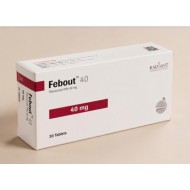

- Stock: Out Of Stock
- Brand: Beximco Pharmaceutical
- Product ID: Fluconazole & Clotrimazole
🔒 100% Secure Payment | bKash | Nagad | SSLCommerz | COD
⭐ Become a FREE Member: 7% Extra Savings • Free Delivery • Refill Reminders • Priority Support
This Item is for pre order
Omastin DUO Capsule — Omeprazole 20mg + Domperidone 10mg | Beximco Pharmaceuticals
| Active Ingredients | Omeprazole 20 mg + Domperidone 10 mg per capsule |
| Dosage Form | Modified-Release Capsule (dual-component) |
| Manufacturer | Beximco Pharmaceuticals Ltd. |
| Therapeutic Class | Proton Pump Inhibitor (PPI) + Prokinetic Agent (Dopamine Antagonist) |
| Availability | In Stock — Available Online |
Overview
Omastin DUO combines two complementary medicines in a single capsule: Omeprazole 20mg — a proton pump inhibitor (PPI) that powerfully reduces gastric acid production — and Domperidone 10mg — a prokinetic agent that accelerates gastric emptying and prevents nausea/vomiting. This dual-action combination addresses both the underlying acid pathology and the motility/symptomatic component of upper GI disorders, making it particularly effective for patients with GERD plus nausea, or dyspepsia with bloating and delayed gastric emptying.
How Each Component Works
| Component | Class | Mechanism | Effect |
|---|---|---|---|
| Omeprazole 20mg | Proton Pump Inhibitor (PPI) | Irreversibly inhibits H⁺/K⁺ ATPase (proton pump) in parietal cells | Reduces gastric acid secretion by 90–95%; heals ulcers; treats GERD |
| Domperidone 10mg | Prokinetic / Antiemetic | Blocks dopamine D₂ receptors in upper GI tract and chemoreceptor trigger zone | Accelerates gastric emptying; reduces bloating; prevents nausea/vomiting |
Indications
- Gastro-Oesophageal Reflux Disease (GERD) with associated nausea and regurgitation
- Functional Dyspepsia — bloating, early satiety, epigastric discomfort, nausea after meals
- Gastroparesis — delayed gastric emptying (particularly diabetic gastroparesis)
- Peptic Ulcer Disease with associated nausea
- Drug-induced nausea — nausea from medications (e.g., antibiotics, metformin, iron)
- Post-operative nausea with acid management requirement
- GERD in patients with gastroparesis — the combination addresses both acid and motility simultaneously
Dosage & Administration
| Indication | Dose | Timing | Duration |
|---|---|---|---|
| GERD with nausea | 1 capsule | 30 min before breakfast (OD) | 4–8 weeks |
| Functional Dyspepsia | 1 capsule | 30 min before meals (OD–BD) | 2–4 weeks |
| Diabetic Gastroparesis | 1 capsule | 30 min before main meals | As directed by physician |
| Peptic Ulcer + Nausea | 1 capsule | 30 min before breakfast | 4–8 weeks |
Take 30 minutes before meals for optimal PPI efficacy — omeprazole works best when parietal cells are actively preparing to secrete acid (stimulated by food). Swallow capsule whole; do not crush or chew. Domperidone also works best pre-meal to coordinate its prokinetic effect with food intake.
Special Note for Diabetic Patients
Omastin DUO is highly relevant for diabetic patients for two key reasons:
- Diabetic Gastroparesis: Autonomic neuropathy in long-standing diabetes causes delayed gastric emptying (gastroparesis) — symptoms include early satiety, bloating, nausea after meals, and erratic blood glucose (unpredictable absorption of food). Domperidone's prokinetic effect directly addresses gastroparesis symptoms; omeprazole manages associated acid reflux and GERD which is more prevalent when gastric emptying is delayed.
- Metformin-induced nausea: Nausea and GI upset are the most common side effects of metformin, especially on initiation or dose increase. Domperidone helps control metformin-related nausea, improving medication adherence.
- Blood glucose note: Omeprazole (long-term, >1 year) may slightly impair magnesium absorption — hypomagnesaemia can worsen insulin resistance. Monitor Mg²⁺ in long-term use. Domperidone does not affect blood glucose directly. Neither component interacts with common diabetes medications pharmacokinetically.
Warnings & Precautions
- Domperidone cardiac risk: Domperidone can prolong the QT interval — avoid in patients with existing QT prolongation, cardiac arrhythmias, or taking other QT-prolonging drugs (clarithromycin, azithromycin, antifungals, antipsychotics). Use the lowest effective dose for the shortest duration.
- Long-term PPI use: Extended omeprazole use (>1 year) is associated with hypomagnesaemia, vitamin B12 deficiency, increased risk of Clostridioides difficile infection, and potential increased fracture risk. Reassess need regularly.
- Renal/hepatic impairment: Reduce domperidone dose in severe hepatic impairment (domperidone is hepatically metabolised).
Contraindications
- Known hypersensitivity to omeprazole, domperidone, or any benzimidazole
- GI perforation, mechanical obstruction, or GI haemorrhage (domperidone stimulates motility)
- Prolactin-secreting pituitary tumour (prolactinoma) — domperidone raises prolactin
- Severe hepatic impairment
- Concurrent use of potent CYP3A4 inhibitors (ketoconazole, erythromycin) with domperidone — QT prolongation risk
Drug Interactions
| Drug | Interaction | Action |
|---|---|---|
| Clopidogrel | Omeprazole reduces clopidogrel activation (CYP2C19 competition) | Consider pantoprazole instead if on clopidogrel |
| Ketoconazole / Itraconazole | Increased domperidone levels (CYP3A4 inhibition) + QT risk | Contraindicated with domperidone |
| Clarithromycin / Azithromycin | QT prolongation additive with domperidone | Use with extreme caution; ECG monitoring |
| Metformin | No significant pharmacokinetic interaction | Safe to co-administer |
| Warfarin | Omeprazole may increase INR (CYP2C9) | Monitor INR when starting or stopping |
Storage
Store below 25°C in a dry place, away from direct sunlight and moisture. Keep out of reach of children.
FAQ
Q1: Why is domperidone combined with omeprazole in Omastin DUO?
Omeprazole alone reduces acid but does not address gastric motility issues — nausea, bloating, and delayed gastric emptying. Domperidone, as a prokinetic, helps food move through the stomach faster, reduces nausea, and improves the symptom complex of functional dyspepsia and gastroparesis. The combination is more effective than either drug alone for conditions where both acid and motility are dysregulated — which is very common in diabetic patients with gastroparesis and GERD.
Q2: Why must Omastin DUO be taken before meals, not after?
Omeprazole must be taken 30–60 minutes before the first meal of the day to achieve maximum acid suppression. It works by binding to active proton pumps — which are stimulated by food intake. If taken after a meal, many pumps are already inhibited and the drug cannot bind as effectively, significantly reducing its efficacy. Domperidone also needs to be pre-meal to coordinate its prokinetic effect with food arrival in the stomach.
Q3: Is Omastin DUO safe for diabetics with gastroparesis?
Yes — the combination of a PPI (for acid reflux worsened by delayed emptying) and domperidone (to accelerate gastric emptying) makes Omastin DUO particularly well-suited for diabetic gastroparesis. However, domperidone should be used at the lowest effective dose for the shortest necessary duration due to cardiac QT prolongation risk. Metoclopramide is an alternative prokinetic but causes more CNS side effects. Discuss duration of use with your physician.
Q4: Can I take Omastin DUO with my antibiotic course?
Generally yes, but with an important caveat: domperidone must not be combined with macrolide antibiotics (clarithromycin, azithromycin, erythromycin) or azole antifungals (ketoconazole, fluconazole) due to serious QT prolongation risk. If you are prescribed any of these antibiotics, inform your doctor you are taking Omastin DUO — they may temporarily substitute omeprazole alone or another prokinetic.
Medical Disclaimer: Educational information only. Prescription required. Domperidone carries a cardiac risk warning — use only under physician supervision for the shortest effective duration.