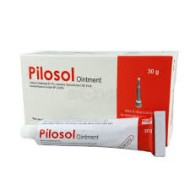
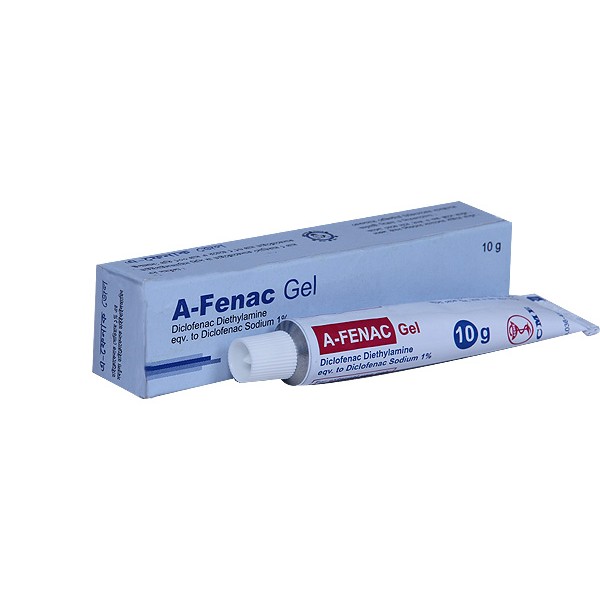
- Stock: Out Of Stock
- Brand: Acme Laboratories Limited
- Product ID: Diclofenac Sodium
🔒 100% Secure Payment | bKash | Nagad | SSLCommerz | COD
⭐ Become a FREE Member: 7% Extra Savings • Free Delivery • Refill Reminders • Priority Support
This Item is for pre order
A-Fenac 1% Ointment (Diclofenac Sodium Topical) — Product Overview
| Quick Reference | |
|---|---|
| Brand Name | A-Fenac 1% w/w Ointment 10 gm |
| Generic Name | Diclofenac Sodium 1% w/w Topical Ointment |
| Drug Class | NSAID — Topical/Transdermal Formulation |
| Manufacturer | ACI Limited, Bangladesh |
| Pack Size | 10 gm tube |
| Key Advantage | Local anti-inflammatory effect with minimal systemic absorption — avoids GI, renal, CV side effects of oral NSAIDs |
| Best For | Localised joint pain, soft tissue injuries, osteoarthritis of accessible joints (knee, hand, ankle) |
| Prescription Status | Prescription / Pharmacist Advice Recommended |
What is A-Fenac 1% Ointment?
A-Fenac 1% Ointment is a topical formulation of Diclofenac Sodium that delivers the anti-inflammatory drug directly through the skin to the underlying inflamed tissue. At 1% concentration (10 mg per gram), the ointment penetrates the skin and accumulates in synovial fluid and periarticular tissues at concentrations sufficient for local anti-inflammatory and analgesic effect, while maintaining much lower systemic blood levels than oral diclofenac. This makes topical diclofenac an excellent option for localised musculoskeletal conditions where systemic NSAID therapy carries unacceptable risks — particularly in elderly patients, those with renal impairment, and people with diabetes who need joint pain relief without compromising kidney function.
Topical vs Oral Diclofenac — Key Comparison
| Aspect | Topical (A-Fenac 1% Ointment) | Oral (A-Fenac 50/100mg) |
|---|---|---|
| Systemic absorption | ~6% of oral dose | Full systemic |
| GI risk | Minimal | Significant |
| Renal risk | Very low | Moderate-high |
| CV risk | Negligible | Elevated with regular use |
| Best for | Localised pain (1–2 joints) | Widespread inflammation |
| Elderly/renal risk | Preferred option | Use with caution/avoid |
Indications
- Knee osteoarthritis — topical NSAIDs are recommended as first-line by NICE and EULAR guidelines for knee OA before oral NSAIDs
- Hand osteoarthritis — finger joints, base of thumb (trapeziometacarpal OA)
- Ankle/foot joint pain — including pain in diabetic foot (without open wounds or infection)
- Acute soft tissue injuries — sprains, strains, contusions, sports injuries
- Tendinitis/tendinopathy — rotator cuff, Achilles, patellar tendon
- Bursitis — prepatellar, trochanteric, olecranon bursitis
- Localised back and neck pain over accessible superficial muscles
Dosage and Application
Apply: 2–4 grams (a generous ribbon approximately 2–4 cm long from the tube) to the affected area, 3–4 times daily.
How to apply:
- Wash and dry the skin over the affected area
- Apply a thin layer of ointment and rub gently in circular motions until absorbed
- Wash hands after application (unless hands are the treated area)
- Do not cover with occlusive dressings — this increases systemic absorption
- Allow to dry before dressing or clothing contact
Duration: For acute injuries: up to 7–14 days. For osteoarthritis: ongoing use is common — reassess every 4–8 weeks for continued benefit.
Do not apply to: Open wounds, broken skin, infected or inflamed skin, near eyes or mucous membranes.
Topical Diclofenac in Diabetes — Preferred Choice
Topical diclofenac is particularly valuable for people with diabetes requiring anti-inflammatory pain relief:
- Diabetic nephropathy/CKD: Systemic NSAIDs worsen renal function; topical absorption is minimal (~6% systemic bioavailability), making it safe even in moderate renal impairment
- Hypertension: Topical NSAIDs have negligible effect on blood pressure, unlike oral formulations which raise systolic BP by 3–5 mmHg
- Heart failure risk: Minimal fluid retention with topical route
- Diabetic foot arthritis: For joint pain in feet with intact skin — topical application avoids systemic risks. However, do not apply near diabetic foot ulcers or wounds
- Elderly diabetics: Guidelines recommend topical NSAIDs as preferred over oral in elderly patients for knee OA — lower risk profile
Contraindications and Precautions
- Do not apply to broken, infected, or eczematous skin
- Avoid in NSAID hypersensitivity (systemic absorption may be sufficient to trigger reaction in very sensitive individuals)
- Avoid sun exposure on treated areas during and after application (photosensitivity risk)
- Not recommended in the third trimester of pregnancy
- Keep away from eyes, mouth, and mucous membranes
Side Effects
Local (application site): Skin dryness, redness, pruritus (itching), rash, or contact dermatitis — the most common adverse effects. Usually mild and reversible on stopping. If severe rash occurs, discontinue.
Systemic (rare at topical doses): GI, renal, and cardiovascular effects as seen with oral diclofenac are rare with topical use but may occur in patients with very high systemic sensitivity or with excessive application over large skin areas.
Photosensitivity: The treated skin area may become more sensitive to sunlight — avoid direct sun exposure on treated skin; use sunscreen if going outdoors.
Frequently Asked Questions (FAQ)
Q: Is topical diclofenac ointment as effective as oral tablets for knee pain?
A: For localised knee osteoarthritis, clinical trials and meta-analyses show topical diclofenac provides comparable pain relief to oral diclofenac, with significantly fewer systemic side effects. For widespread inflammation or multiple joint involvement, oral therapy is more appropriate. Guidelines (NICE, EULAR, ACR) recommend topical NSAIDs as first-line for knee and hand osteoarthritis in adults, especially elderly.
Q: Can I use A-Fenac ointment on diabetic foot pain?
A: Yes, on intact skin with no open wounds or infection. Topical diclofenac is safer than oral NSAIDs for diabetic patients with joint pain or soft tissue inflammation in the foot, given minimal renal and cardiovascular absorption. Never apply near wounds, ulcers, or infected areas in diabetic foot — infection risk and impaired healing are concerns.
Q: How long does it take for topical diclofenac to work?
A: Most patients notice pain reduction within 1–3 days of regular application. Full anti-inflammatory benefit builds over 1–2 weeks with consistent 3–4 times daily use. For acute soft tissue injuries, relief may be quicker.
Q: Can I use both A-Fenac ointment and oral A-Fenac tablets together?
A: This combination is sometimes used — topical for local effect at a symptomatic joint, oral for systemic coverage of multiple joints. Combined use increases total diclofenac exposure slightly. Seek medical advice before combining; the combination is more appropriate than doubling the oral dose.
Medical Disclaimer
For educational purposes only. Not medical advice. Topical NSAIDs are generally safe but should not be applied to broken skin, wounds, or infected areas. Avoid sun exposure on treated skin. If skin irritation, rash, or worsening of symptoms occurs, discontinue and consult a pharmacist or doctor.