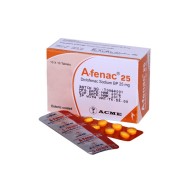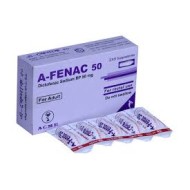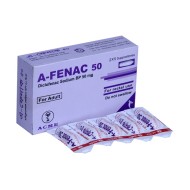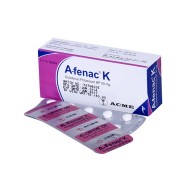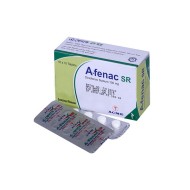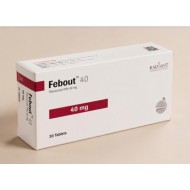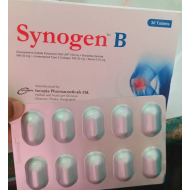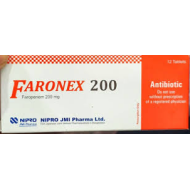
- Stock: Out Of Stock
- Brand: Acme Laboratories Limited
- Product ID: Diclofenac Sodium
🔒 100% Secure Payment | bKash | Nagad | SSLCommerz | COD
⭐ Become a FREE Member: 7% Extra Savings • Free Delivery • Refill Reminders • Priority Support
This Item is for pre order
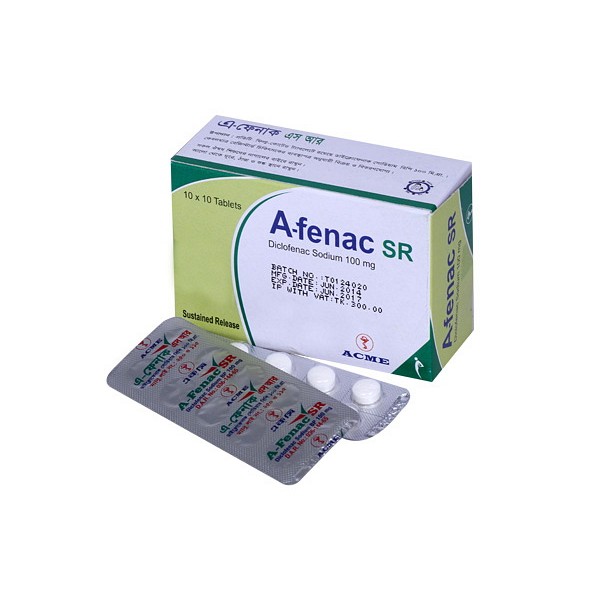
A-Fenac SR 100 mg Tablet (Diclofenac Sodium Sustained-Release) — Product Overview
| Quick Reference | |
|---|---|
| Brand Name | A-Fenac SR 100 mg Tablet |
| Generic Name | Diclofenac Sodium 100 mg (Sustained-Release) |
| Drug Class | NSAID — Oral Sustained-Release |
| Manufacturer | ACI Limited, Bangladesh |
| Key Advantage | 12–16 hour coverage; once or twice daily dosing; better overnight pain control |
| vs Immediate-Release | SR: slower onset, prolonged action | IR 50mg: faster onset, shorter duration |
| Storage | Below 30°C, dry place — do not crush or chew |
| Prescription Status | Prescription Required |
What is A-Fenac SR 100 mg?
A-Fenac SR 100 mg is a sustained-release formulation of Diclofenac Sodium that releases drug gradually over 12–16 hours rather than the 4–6 hour window of immediate-release 50 mg tablets. This extended profile provides more consistent plasma drug levels, reduces peak-trough fluctuations, improves overnight pain control, and increases patient compliance through once or twice daily dosing. SR formulations are particularly beneficial for arthritis, ankylosing spondylitis, and chronic musculoskeletal conditions requiring continuous anti-inflammatory coverage throughout the 24-hour period.
SR vs Immediate-Release — When to Use Which
| Feature | A-Fenac 50 mg (IR) | A-Fenac SR 100 mg |
|---|---|---|
| Onset | ~1–2 hours | ~2–4 hours (slower) |
| Duration | 4–6 hours | 12–16 hours |
| Dosing frequency | 2–3× daily | 1–2× daily |
| Best for | Acute pain, flexible dosing | Chronic conditions, compliance |
| Overnight coverage | Poor (wears off overnight) | Good (evening dose covers night) |
Indications
- Osteoarthritis — ongoing joint pain and morning stiffness requiring overnight coverage
- Rheumatoid arthritis — continuous inflammation management alongside DMARDs
- Ankylosing spondylitis — continuous NSAID therapy is a cornerstone of axial SpA; SR formulations recommended for 24-hour coverage
- Chronic back pain — requires continuous rather than intermittent dosing
- Postoperative pain where 12-hour dosing is preferred
Dosage
Standard adult dose: 100 mg once daily (usually evening for overnight/morning coverage) or 100 mg twice daily for severe conditions.
Maximum dose: 200 mg/day total from all diclofenac sources.
Elderly: 100 mg once daily — do not exceed 100 mg/day due to increased GI, renal, and CV risk.
MUST NOT crush or chew — crushing destroys the SR matrix, releasing the entire 100 mg dose at once. Swallow whole with water.
Take with food and co-prescribe a PPI for all long-term users.
NSAIDs in Diabetes — Monitoring
For diabetic patients on long-term A-Fenac SR: monitor renal function (creatinine, eGFR) every 3–6 months; blood pressure at each visit; LFTs every 3–6 months; haemoglobin (for occult GI blood loss). Avoid in eGFR <30. For mild pain, paracetamol is safer. Diclofenac antagonises ACE inhibitors/ARBs and thiazide diuretics — monitor BP and renal function closely when combined.
Contraindications
- NSAID hypersensitivity or aspirin-sensitive asthma
- Active peptic ulcer or GI haemorrhage
- Severe heart failure, hepatic or renal impairment
- Third trimester of pregnancy
- Established ischaemic heart disease, stroke, or peripheral arterial disease
Side Effects and Monitoring
GI: Dyspepsia, nausea, ulceration, bleeding. Co-prescribe PPI for chronic use.
Hepatic: Diclofenac has the highest hepatotoxicity risk among common NSAIDs. Monitor ALT/AST at baseline, 4–8 weeks, then every 3–6 months. Discontinue if ALT >3× ULN.
Renal: Fluid retention, oedema, elevated creatinine. Monitor eGFR in chronic users.
Cardiovascular: Diclofenac has the highest MI/stroke risk of traditional NSAIDs at high doses. Avoid in established CV disease. Consider naproxen if CV risk is significant.
Frequently Asked Questions (FAQ)
Q: Can A-Fenac SR 100 mg be taken once daily?
A: Yes. 100 mg once daily in the evening is standard for arthritis and ankylosing spondylitis. For more severe symptoms, twice daily (200 mg/day maximum) may be used.
Q: Why must SR tablets never be crushed?
A: Crushing destroys the sustained-release matrix, releasing all 100 mg at once — equivalent to two immediate-release tablets simultaneously — risking GI haemorrhage, acute kidney injury, or cardiovascular events. Always swallow whole.
Q: Is A-Fenac SR safe for long-term arthritis use?
A: With appropriate GI protection (PPI), regular monitoring (renal, hepatic, BP), and the lowest effective dose, long-term SR diclofenac is reasonable for rheumatoid arthritis and ankylosing spondylitis. Periodic reassessment to confirm continued need is essential.
Q: I have arthritis and diabetes — is A-Fenac SR safe?
A: Depends on kidney function. eGFR above 60 with controlled BP: generally acceptable with monitoring. eGFR <60 (diabetic nephropathy): consult doctor — dose reduction, closer monitoring, or alternative analgesic may be needed.
Medical Disclaimer
For educational purposes only. Long-term NSAID therapy requires medical supervision, GI protection, and regular monitoring of kidney function, liver enzymes, and blood pressure. Do not crush or chew SR tablets. Not for use in third trimester of pregnancy or severe renal/hepatic/cardiac disease.