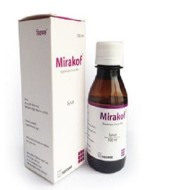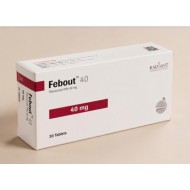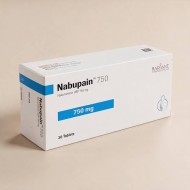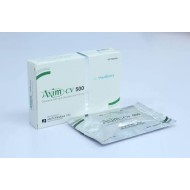
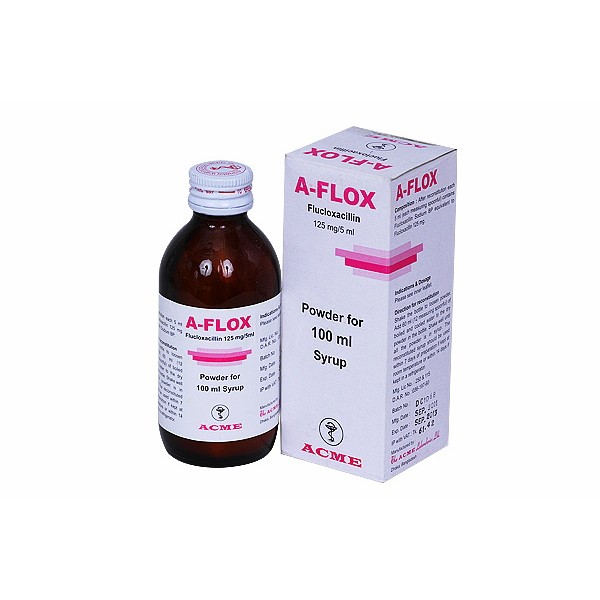
- Stock: Out Of Stock
- Brand: Acme Laboratories Limited
- Product ID: Flucloxacillin Sodium
🔒 100% Secure Payment | bKash | Nagad | SSLCommerz | COD
⭐ Become a FREE Member: 7% Extra Savings • Free Delivery • Refill Reminders • Priority Support
This Item is for pre order
A-Flox 100 ml Syrup (Flucloxacillin) — Product Overview
| Quick Reference | |
|---|---|
| Brand Name | A-Flox Syrup |
| Generic Name | Flucloxacillin Sodium (as oral suspension) |
| Drug Class | Beta-Lactamase Resistant Penicillin Antibiotic |
| Manufacturer | ACI Limited, Bangladesh |
| Dosage Form | Oral Suspension (Syrup) — 100 ml bottle |
| Typical Strength | 125 mg/5 ml (25 mg/ml) |
| Primary Use | Paediatric staphylococcal infections |
| Storage | Below 25°C before reconstitution; refrigerate after reconstitution, use within 7 days |
| Prescription Status | Prescription Required |
What is A-Flox Syrup?
A-Flox Oral Suspension (Syrup) contains Flucloxacillin Sodium in a liquid formulation, specifically designed for paediatric use and patients who cannot swallow capsules. Flucloxacillin is the antibiotic of choice for infections caused by penicillinase-producing Staphylococcus aureus — the same active ingredient as A-Flox capsules but in a convenient measured-dose oral suspension. The syrup is reconstituted with water before use and provides accurate weight-based dosing for children.
Why Flucloxacillin for Children's Staphylococcal Infections?
Children are particularly susceptible to staphylococcal skin infections including impetigo, boils, cellulitis, and infected wounds. Standard amoxicillin is ineffective against penicillinase-producing S. aureus. Flucloxacillin syrup delivers targeted anti-staphylococcal therapy in an age-appropriate liquid form, allowing precise weight-based dosing (mg/kg) that is difficult to achieve with capsules.
Mechanism of Action
Flucloxacillin is a bactericidal beta-lactam antibiotic that inhibits bacterial cell wall synthesis by binding to penicillin-binding proteins. Its isoxazolyl side chain protects it against staphylococcal beta-lactamase, allowing it to kill penicillin-resistant Staphylococcus strains effectively.
Indications
- Paediatric skin infections: Impetigo, infected eczema, cellulitis, boils, infected wounds in children
- Staphylococcal infections in patients who cannot swallow capsules
- Osteomyelitis in children: Staphylococcal bone infection requiring prolonged oral therapy
- Septic arthritis in children
- Step-down oral therapy: After initial IV flucloxacillin for severe infections
Dosage — Paediatric Weight-Based
Standard dose: 12.5–25 mg/kg every 6 hours (4 times daily).
- Children 2–10 years (mild infections): 125–250 mg (5–10 ml) every 6 hours
- Children over 10 years / adolescents: 250–500 mg every 6 hours
- Severe infections: Double the standard dose as directed by doctor
⚠️ Must take on empty stomach: Give 30 minutes before feeds/meals. Food reduces absorption by up to 50%.
Reconstitution: Add cooled boiled water to the marked level on the bottle, shake well. Shake before each dose. Refrigerate after reconstitution and use within 7 days.
Contraindications
- Penicillin hypersensitivity
- History of flucloxacillin-associated jaundice
- Neonates under 1 week — use with caution under medical supervision
Side Effects
Common: Nausea, vomiting, diarrhoea — minimised by empty-stomach dosing.
Rare but important: Cholestatic jaundice (may appear up to 6 weeks after finishing course). Report jaundice immediately.
Very rare: Anaphylaxis, pseudomembranous colitis.
Drug Interactions
- Warfarin: Significantly reduces INR — monitor closely
- Methotrexate: Reduces renal clearance — risk of toxicity
Frequently Asked Questions (FAQ)
Q: How long does A-Flox Syrup last after reconstitution?
A: Once mixed with water, A-Flox Syrup should be refrigerated and used within 7 days. Discard any remaining suspension after 7 days. Do not freeze.
Q: Can I mix A-Flox Syrup with milk or juice?
A: No. Give the suspension directly on an empty stomach. Food and milk significantly reduce flucloxacillin absorption. Use a medicine spoon or oral syringe for accurate dosing.
Q: My child vomited after taking A-Flox Syrup — should I repeat the dose?
A: If vomiting occurs within 15–20 minutes of taking the dose, you may repeat it once. If vomiting is persistent, contact your doctor.
Q: How do I calculate my child's dose?
A: Use 12.5–25 mg/kg/day divided into 4 doses. For a 10 kg child: 125–250 mg/day = 31–62 mg per dose (about 1.5–2.5 ml of 25 mg/ml suspension per dose). Always confirm the exact dose with your paediatrician.
Medical Disclaimer
For educational purposes only. Always follow the prescribed dose and course length. Report jaundice at any time during or after treatment. Discard any unused suspension after 7 days of reconstitution.