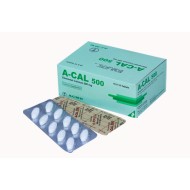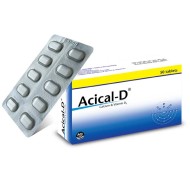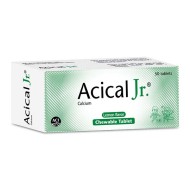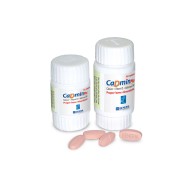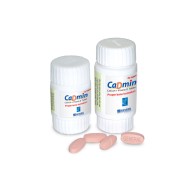
- Stock: Out Of Stock
- Brand: ACI Pharmaceuticals
- Product ID: Calcium Carbonate [Elemental] + Vitamin D3
🔒 100% Secure Payment | bKash | Nagad | SSLCommerz | COD
⭐ Become a FREE Member: 7% Extra Savings • Free Delivery • Refill Reminders • Priority Support
This Item is for pre order
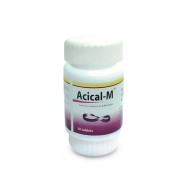
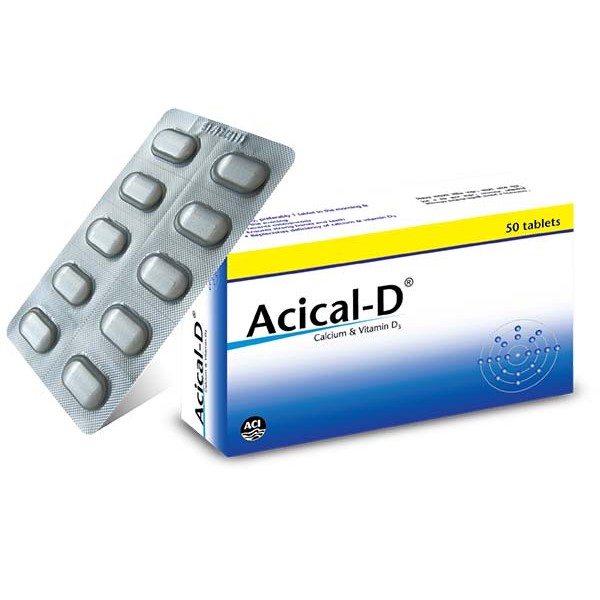
Acical-d 200 IU — Calcium Carbonate + Vitamin D3 200 IU Tablet
| Product Overview | |
|---|---|
| Brand Name | Acical-d 200 IU |
| Generic Name | Calcium Carbonate (Elemental) + Vitamin D3 (Cholecalciferol) 200 IU |
| Manufacturer | ACI Pharmaceuticals Ltd., Bangladesh |
| Drug Class | Calcium + Vitamin D3 Supplement |
| Dosage Form | Tablet |
| Vitamin D3 Content | 200 IU (5 mcg) Cholecalciferol per tablet |
| Recommended Vitamin D Intake | Adults: 600–800 IU/day; Over 70 years: 800–1000 IU/day; Upper safe limit: 4000 IU/day |
| Storage | Store below 30°C away from light and moisture. Keep out of reach of children. |
| Pregnancy & Lactation | Safe and recommended in pregnancy and lactation at standard doses |
1. Indications & Uses
Acical-d 200 IU provides elemental calcium combined with 200 IU (5 mcg) of cholecalciferol (vitamin D3). The 200 IU dose is suitable for maintenance supplementation in patients with mild-to-moderate vitamin D insufficiency, or as part of a multi-tablet regimen for patients who need precise vitamin D dosing. This combination is particularly appropriate for daily supplementation in adults, pregnant women, and patients on bone-protective therapy.
Indicated for: calcium and vitamin D maintenance supplementation; osteoporosis prevention and treatment (as first-line supplement); postmenopausal bone health; pregnancy and lactation supplementation; prevention of secondary hyperparathyroidism; vitamin D insufficiency in patients with limited sun exposure; and adjunct therapy in diabetic patients at risk of osteoporosis and vitamin D deficiency. Diabetes relevance: Vitamin D at 200 IU/tablet allows flexible dosing for diabetic patients who need supplementation but may require dose titration based on serum 25(OH)D levels — clinical target >75 nmol/L for optimal insulin sensitivity and bone protection.
2. Mechanism of Action
Calcium: Ca²⁺ ions are absorbed via TRPV6 (active, calcitriol-dependent) and paracellular diffusion in the small intestine. Provides structural substrate for bone hydroxyapatite; regulates neuromuscular function, cardiac conduction, and enzymatic processes. Vitamin D3 (200 IU): Cholecalciferol is hepatically converted to 25-hydroxyvitamin D [25(OH)D3], then renally activated to 1,25-dihydroxyvitamin D3 (calcitriol). Calcitriol binds VDR in the intestinal mucosa, upregulating TRPV6 channels and calbindin-D9k to enhance calcium absorption from 15% to 30–40%. In bone, VDR activation promotes osteoblast differentiation and mineralisation. In the pancreas, vitamin D3 supports insulin gene expression, beta-cell survival, and reduces inflammatory cytokines that impair insulin signalling.
3. Dosage & Administration
Adults (maintenance, mild insufficiency): 2–4 tablets daily with meals (providing 400–800 IU vitamin D3 daily — the standard WHO/IOF recommendation for adults). This flexible dosing allows patients and physicians to titrate vitamin D intake based on serum 25(OH)D testing results.
Osteoporosis prevention: 3–4 tablets daily (600–800 IU vitamin D3 + 1000–1200 mg elemental calcium) as directed by physician.
Pregnancy: 2–3 tablets daily (400–600 IU/day is safe in pregnancy; higher doses require monitoring).
Elderly patients: 4 tablets daily (800 IU vitamin D3) — higher requirement due to reduced renal activation and sun exposure.
Always take with food for optimal calcium absorption from the carbonate component.
4. Side Effects
Well tolerated at recommended doses. Calcium carbonate component: constipation, flatulence, nausea. Vitamin D3 at 200–800 IU/day: no side effects expected. Vitamin D toxicity (only with chronic very high doses >4000 IU/day): hypercalcaemia, hypercalciuria, nephrocalcinosis. Routine serum monitoring not required at standard doses.
5. Contraindications
Contraindicated in: hypercalcaemia; vitamin D toxicity (hypervitaminosis D); nephrolithiasis (calcium stones); severe renal failure; sarcoidosis or granulomatous disease (risk of hypersensitivity to vitamin D).
6. Warnings & Precautions
Total daily vitamin D intake from all sources (supplements + fortified foods + cod liver oil) should not chronically exceed 4000 IU/day. Separate from quinolones, tetracyclines, bisphosphonates, levothyroxine, and iron by 2–4 hours. Thiazide diuretics reduce urinary calcium — monitor for hypercalcaemia. Monitor serum 25(OH)D after 3–6 months to confirm target levels (>75 nmol/L) are reached with chosen dosing. Take with meals; adequate hydration required.
7. Drug Interactions
Calcium: reduces absorption of quinolones, tetracyclines, bisphosphonates, levothyroxine, iron — separate by 2–4h. Vitamin D: may potentiate digoxin; thiazides increase risk of hypercalcaemia; corticosteroids reduce absorption; rifampicin and anticonvulsants accelerate D3 metabolism; cholestyramine reduces D3 absorption.
8. Pharmacokinetics
Calcium carbonate absorbed 20–40% with food; peak calcium 1–2h. Cholecalciferol (D3): fat-soluble, absorbed in small intestine; hepatically 25-hydroxylated (T½ ~2–3 weeks); renally activated to calcitriol; stored in adipose. Single 200 IU dose raises serum 25(OH)D by ~0.5–1 nmol/L per day of consistent use. Steady-state vitamin D levels achieved in 3 months of regular supplementation.
9. Storage
Below 30°C, dry and dark. Vitamin D3 is photo-sensitive. Original blister pack. Check expiry.
10. Overdose
Hypercalcaemia: nausea, polyuria, confusion, nephrocalcinosis. Stop supplements; IV saline + furosemide for severe cases. Emergency care.
11. Missed Dose
Take when remembered; skip if next dose due. Long-term compliance is what matters.
12. Clinical Evidence
WHO and International Osteoporosis Foundation recommend 800 IU/day vitamin D for adults at risk of deficiency. Multiple RCTs confirm 800 IU/day reduces fracture risk by 20–30% in elderly patients. At 200 IU/tablet, Acical-d provides precise titration to reach this evidence-based target. BIRDEM Bangladesh data confirm that vitamin D3 supplementation (matched to serum targets) reduces HbA1c by 0.4–0.5% and fasting glucose by 0.6–0.9 mmol/L in deficient T2DM patients.
13. Patient Counselling Points
• Take with meals for best calcium absorption.
• The 200 IU vitamin D3 per tablet allows flexible dosing — take 2–4 tablets daily as directed.
• Get regular sunlight (15–30 min) to complement supplementation.
• Separate from thyroid or antibiotic medication by 2–4 hours.
• Diabetic patients: monitor blood glucose when adjusting vitamin D doses — may modestly improve insulin sensitivity.
• Get serum 25(OH)D tested after 3–6 months to confirm adequacy.
Frequently Asked Questions (FAQ)
Q1. Why choose Acical-d 200 IU over higher-dose vitamin D tablets?
The 200 IU per tablet format enables precise, flexible dosing. Physicians can prescribe 2–4 tablets (400–800 IU/day) based on individual serum 25(OH)D levels, rather than being locked into a single dose strength. This is particularly important for elderly patients, diabetics, or those with renal insufficiency where vitamin D metabolism may differ, and over-supplementation carries hypercalcaemia risk.
Q2. How do I know if my vitamin D level is low?
The only reliable way to assess vitamin D status is a serum 25(OH)D blood test. Levels <50 nmol/L indicate deficiency; 50–75 nmol/L is insufficiency; >75 nmol/L is optimal for bone health and immune function. Symptoms of deficiency include muscle weakness, bone pain, fatigue, and frequent infections — but many patients are asymptomatic. In Bangladesh, routine testing is recommended for diabetics, the elderly, pregnant women, and those with limited sun exposure.
Q3. Can I take Acical-d 200 IU every day long-term?
Yes. At 2–4 tablets per day (400–800 IU vitamin D3 total), long-term daily supplementation is safe for most adults. This dose is well below the tolerable upper intake level of 4000 IU/day. Annual serum calcium and 25(OH)D testing is recommended for patients taking calcium + D3 supplements for more than a year, particularly the elderly and those with kidney disease.
Q4. Is Acical-d 200 IU safe to take during Ramadan?
Yes. Acical-d can be taken during Ramadan during non-fasting hours (Iftar or Suhoor) with food. Taking calcium with food is actually ideal for absorption. Many diabetic patients maintain supplementation throughout Ramadan — discuss timing and blood glucose monitoring with your physician.
⚕ Medical Disclaimer: For educational purposes only. Calcium and vitamin D supplementation should be supervised in patients with renal disease, sarcoidosis, or hypercalcaemia. Does not substitute professional medical advice.