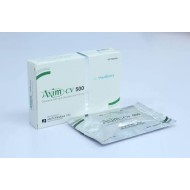
- Stock: Out Of Stock
- Brand: Acme Laboratories Limited
- Product ID: Rifaximin
🔒 100% Secure Payment | bKash | Nagad | SSLCommerz | COD
⭐ Become a FREE Member: 7% Extra Savings • Free Delivery • Refill Reminders • Priority Support
This Item is for pre order
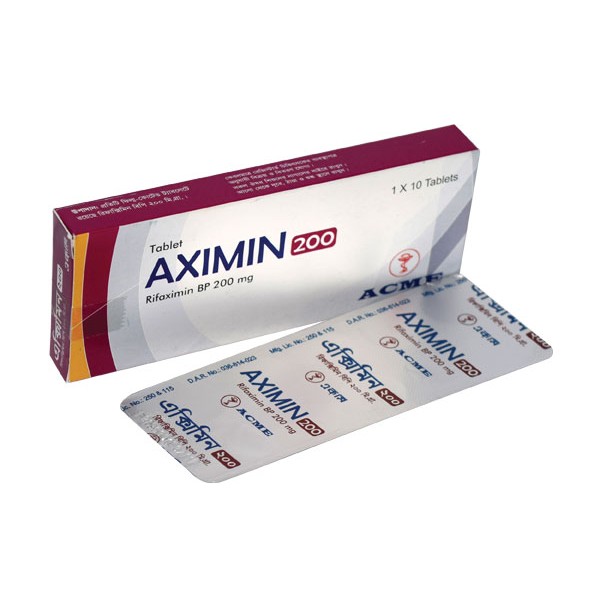
Aximin 200 mg Tablet (Rifaximin) — Clinical Overview
| Brand Name | Aximin 200 mg Tab |
|---|---|
| Generic Name | Rifaximin |
| Manufacturer | ACI Limited, Bangladesh |
| Strength | 200 mg per tablet |
| Dosage Form | Film-coated Tablet |
| Pack Size | 10 tablets per strip |
| Drug Class | Non-absorbable Rifamycin Antibiotic (GI-specific) |
| Prescription Status | Prescription Only Medicine (POM) |
What is Aximin 200 mg (Rifaximin)?
Aximin 200 mg Tab is an oral antibiotic manufactured by ACI Limited, Bangladesh. Its active ingredient, rifaximin, belongs to the rifamycin antibiotic class but has a uniquely different pharmacological profile: rifaximin is non-systemic, remaining almost entirely within the gastrointestinal tract without entering the bloodstream. This property allows rifaximin to deliver high local antibiotic concentrations in the gut while causing minimal systemic side effects or drug interactions.
Rifaximin is prescribed for gastrointestinal bacterial infections and conditions where intestinal bacterial overgrowth plays a pathological role — including traveller's diarrhoea, hepatic encephalopathy, small intestinal bacterial overgrowth (SIBO), and irritable bowel syndrome with diarrhoea (IBS-D).
How Does Rifaximin Work?
Rifaximin kills susceptible bacteria by inhibiting bacterial RNA polymerase — the enzyme responsible for transcribing DNA into RNA, a critical step in bacterial protein synthesis. It irreversibly binds to the beta-subunit of bacterial RNA polymerase, halting mRNA synthesis and bacterial function. Key properties:
- Active against both Gram-positive and Gram-negative enteric bacteria
- Broad coverage of gut pathogens: enterotoxigenic E. coli (ETEC), Shigella, Salmonella, Clostridium difficile, and small intestinal overgrowth organisms
- Very low systemic absorption (<0.4%) — tissue concentrations outside the gut are negligible
- High faecal drug concentrations — well above the MIC for most enteric pathogens
Clinical Indications
- Traveller's diarrhoea: Non-invasive diarrhoea caused by non-bloody, non-febrile E. coli — 200 mg three times daily × 3 days. NOT suitable for dysentery (bloody diarrhoea) or febrile diarrhoea.
- Small intestinal bacterial overgrowth (SIBO): 200 mg three times daily × 7–14 days — particularly relevant in diabetic patients with gastroparesis and delayed intestinal transit.
- IBS with diarrhoea (IBS-D): 200 mg three times daily × 14 days may reduce bloating, flatulence, and diarrhoea by modulating gut microbiome.
- Hepatic encephalopathy (HE): Used at 200 mg TID in mild cases; 550 mg twice daily (Aximin 550) for HE maintenance in cirrhosis.
Diabetes and Gut Infections — Special Relevance
Gastrointestinal complications are among the most common yet underrecognised complications of long-standing diabetes:
- SIBO in diabetic gastroparesis: Autonomic neuropathy slows gastric emptying and small intestinal motility, allowing bacterial overgrowth. SIBO causes bloating, diarrhoea, malabsorption, and erratic postprandial glucose responses. Rifaximin reduces small bowel bacterial counts and may improve symptom control and glycaemic predictability.
- Traveller's diarrhoea in diabetics: Dehydration from diarrhoea can cause hyperglycaemia, disrupt oral medication absorption, and in severe cases precipitate DKA (Type 1) or hyperosmolar state (Type 2). Rifaximin 200 mg TID × 3 days is an effective, well-tolerated option.
- Gut microbiome modulation: Emerging research suggests rifaximin's microbiome effects may have metabolic benefits in Type 2 diabetes with gut dysbiosis.
- No interactions with antidiabetics: Because rifaximin is virtually non-absorbed, it has no significant pharmacokinetic interactions with metformin, insulin, DPP-4 inhibitors, SGLT-2 inhibitors, or sulphonylureas.
Dosage and Administration
- Traveller's diarrhoea: 200 mg three times daily × 3 days
- SIBO: 200 mg three times daily × 7–14 days
- IBS-D: 200 mg three times daily × 14 days
- HE (mild): 200 mg three times daily (consult hepatologist for dosing in cirrhosis)
May be taken with or without food. Swallow tablets whole. If symptoms worsen (bloody diarrhoea, high fever, severe dehydration) seek immediate medical attention — these suggest invasive infection requiring systemic antibiotics.
Drug Interactions
- Ciclosporin: Inhibits P-glycoprotein, may increase rifaximin systemic absorption — avoid combination if possible
- Warfarin: Monitor INR if used concurrently
- Oral antidiabetics / insulin: No clinically significant interactions
Side Effects
- Common: Flatulence, abdominal pain, headache, nausea (all typically mild)
- Uncommon: Vomiting, constipation, dizziness
- Rare: Hypersensitivity reactions
Rifaximin is generally very well tolerated with a side effect profile similar to placebo in clinical trials.
Contraindications
- Known hypersensitivity to rifaximin, rifamycins, or any excipient
- Dysentery or febrile diarrhoea (blood in stool or fever >38.5°C) — use systemic antibiotics instead
Frequently Asked Questions (FAQ)
What is rifaximin (Aximin) used for in Bangladesh?
Aximin (rifaximin) 200 mg is used for traveller's diarrhoea (non-bloody, non-febrile diarrhoea from E. coli), small intestinal bacterial overgrowth (SIBO), IBS with diarrhoea, and hepatic encephalopathy. Unlike systemic antibiotics, rifaximin stays in the gut and is not absorbed into the bloodstream, giving it an excellent safety profile with minimal drug interactions.
Is Aximin 200 mg safe for patients with diabetes?
Yes — rifaximin is well-suited for diabetic patients because it has no pharmacokinetic interactions with metformin, insulin, DPP-4 inhibitors, or SGLT-2 inhibitors. It is especially useful for diabetic SIBO from autonomic gastroparesis, and for managing traveller's diarrhoea where dehydration risk is particularly high in diabetics.
Why doesn't rifaximin cause systemic side effects like other antibiotics?
Rifaximin has a unique molecular structure making it almost entirely insoluble in water — less than 0.4% of an oral dose reaches the bloodstream. It stays within the gut where it kills bacteria locally without reaching systemic concentrations, so it does not affect the liver, kidneys, immune system, or interact with most systemic medications.
Can I take Aximin 200 mg for all types of diarrhoea?
No — rifaximin is only appropriate for non-invasive diarrhoea (no blood in stool, no high fever). Bloody diarrhoea or fever above 38.5°C suggests an invasive infection (Salmonella, Shigella, Campylobacter) requiring systemic antibiotics and medical assessment. Using rifaximin for bloody or febrile diarrhoea is ineffective and delays proper treatment.