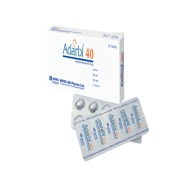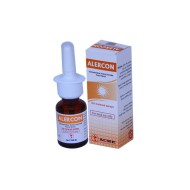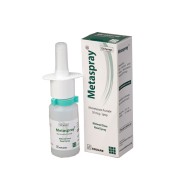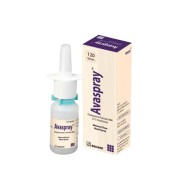
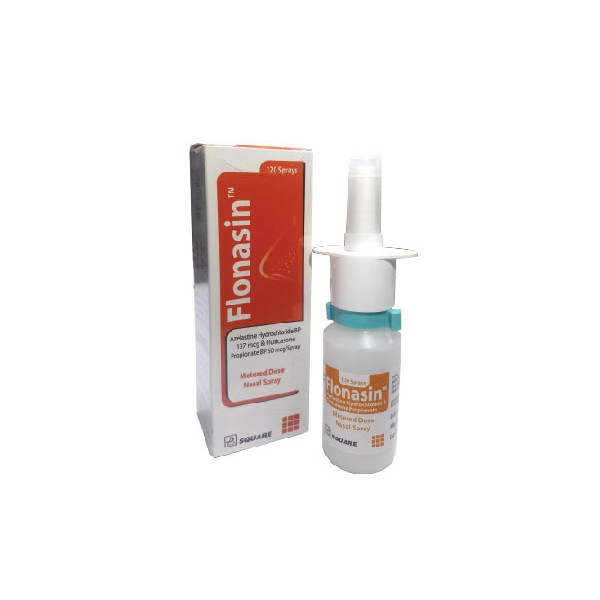
- Stock: In Stock
- Brand: Square Pharmaceuticals
- Product ID: Azelastine Hydrochloride and Fluticasone Propionate
🔒 100% Secure Payment | bKash | Nagad | SSLCommerz | COD
⭐ Become a FREE Member: 7% Extra Savings • Free Delivery • Refill Reminders • Priority Support
| Generic Name | Azelastine Hydrochloride + Fluticasone Propionate |
|---|---|
| Strength | (137 mcg + 50 mcg)/spray |
| Dosage Form | Nasal Spray |
| Manufacturer | Square Pharmaceuticals PLC |
| Therapeutic Class | Nasal Steroid Preparations |
| Pack Size | 120 metered sprays |
Overview
Flonasin Nasal Spray contains a combination of Azelastine Hydrochloride (137 mcg) and Fluticasone Propionate (50 mcg) per spray, targeting both histaminergic and inflammatory pathways in allergic rhinitis. Azelastine is a second-generation antihistamine that blocks H1 receptors and inhibits other mediators of the allergic response. Fluticasone Propionate is a potent intranasal corticosteroid with anti-inflammatory activity. Together, these two components provide superior relief of symptoms compared to either agent alone. Flonasin is indicated for the treatment of moderate-to-severe seasonal allergic rhinitis in patients aged 6 years and above requiring both an antihistamine and a corticosteroid.
Dosage and Administration
Adults and children 6 years and above: 1 spray in each nostril twice daily (morning and evening). Prime the spray before first use by actuating until a fine mist appears. Shake gently before each use. Gently blow the nose before administering. Tilt the head slightly forward, insert the nozzle into the nostril, breathe in through the nose, and spray. Breathe out through the mouth. Or as directed by the physician.
Interaction
Azelastine may enhance the CNS depressant effects of alcohol, sedatives, and other CNS-acting agents. Concurrent use should be avoided. High-dose Fluticasone Propionate may interact with potent CYP3A4 inhibitors (e.g., ritonavir, ketoconazole), potentially increasing systemic corticosteroid exposure.
Contraindications
There are no known contraindications to Flonasin Nasal Spray at recommended doses.
Side Effects
Most common (occurring in more than 2% of patients): unpleasant taste (dysgeusia), nosebleeds (epistaxis), and headache. Less common: nasal burning or irritation, sneezing, and dry nose. Rare: nasal septum perforation, wheezing, raised intraocular pressure, and cataracts with prolonged high-dose use.
Pregnancy and Lactation
Flonasin is classified as Pregnancy Category C. Adequate and well-controlled studies in pregnant women are not available. Use during pregnancy only if the potential benefit justifies the potential risk to the fetus. Caution should be exercised when administering to nursing mothers, as it is not known whether the components are excreted in human breast milk.
Precautions and Warnings
Avoid activities requiring full mental alertness (e.g., driving, operating machinery) as Azelastine may cause CNS depression. Avoid concurrent consumption of alcohol or CNS depressants. High doses may carry a risk of systemic corticosteroid effects including hypercorticism. Rare instances of nasal septum perforation have been reported with intranasal corticosteroids.
Storage Conditions
Store below 25°C, protected from light. Do not refrigerate or freeze. Keep out of reach of children.
Frequently Asked Questions
Q: What makes Flonasin Nasal Spray different from using an antihistamine or nasal steroid alone?
A: Flonasin combines both an antihistamine (Azelastine) and a corticosteroid (Fluticasone) in a single spray. This dual-action approach provides superior symptom relief for allergic rhinitis compared to either agent used alone.
Q: Can Flonasin Nasal Spray cause drowsiness?
A: Flonasin contains Azelastine, which may cause drowsiness in some patients. It is advisable to avoid driving or operating heavy machinery until you know how this medication affects you, and to avoid alcohol during treatment.