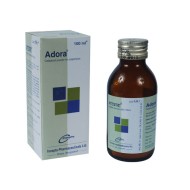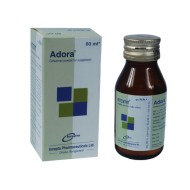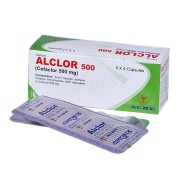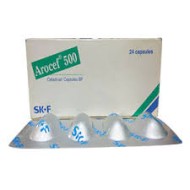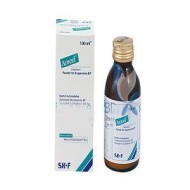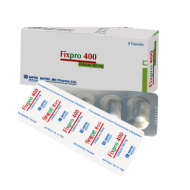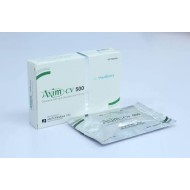
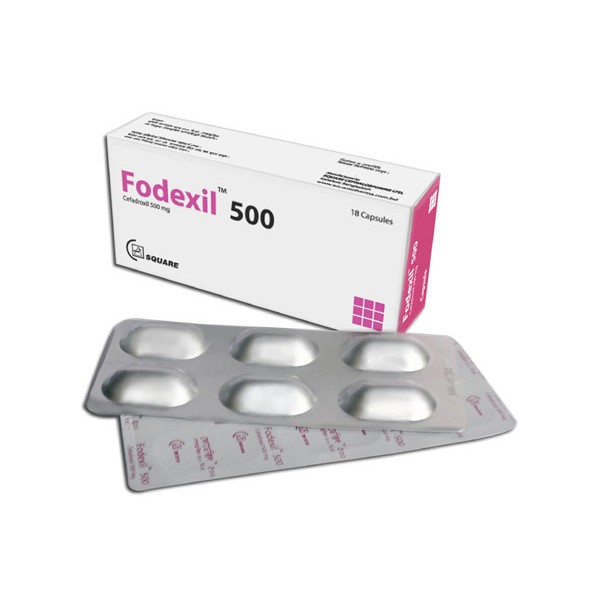
- Stock: In Stock
- Brand: Square Pharmaceuticals
- Product ID: Cefadroxil as Cefadroxil Monohydrate USP
🔒 100% Secure Payment | bKash | Nagad | SSLCommerz | COD
⭐ Become a FREE Member: 7% Extra Savings • Free Delivery • Refill Reminders • Priority Support
| Generic Name | Cefadroxil Monohydrate |
|---|---|
| Strength | 500 mg |
| Dosage Form | Capsule |
| Manufacturer | Square Pharmaceuticals PLC |
| Therapeutic Class | First generation cephalosporins |
| Pack Size | 3 × 6 capsules |
Overview
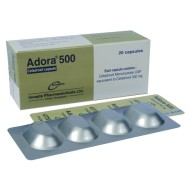
Fodexil 500mg Capsule contains Cefadroxil Monohydrate, a first-generation oral cephalosporin antibiotic. Cefadroxil exerts bactericidal activity by inhibiting bacterial cell wall synthesis through binding to penicillin-binding proteins (PBPs), disrupting the cross-linkage of peptidoglycan chains. It is effective against a wide range of gram-positive organisms including Staphylococci and Streptococci, and select gram-negative bacteria. It is used for infections of the upper respiratory tract, urinary tract, and skin and soft tissues.
Dosage and Administration
Adults (body weight over 40 kg): Streptococcal pharyngitis and tonsillitis — 1000 mg once daily or 500 mg twice daily for 10 days. Other infections (bronchopneumonia, UTIs, skin infections) — 500–1000 mg twice daily, adjusted by severity. Children (body weight under 40 kg): 30–35 mg/kg/day in divided doses every 12 hours. Duration of treatment should be based on infection type and clinical response; continue for at least 48–72 hours after fever and symptoms resolve. For streptococcal infections, a minimum of 10 days is recommended to prevent rheumatic complications. May be taken with or without food.
Interaction
Probenecid inhibits tubular secretion of cefadroxil, increasing its plasma levels and half-life. Nephrotoxic agents (aminoglycosides, furosemide) used concomitantly may increase the risk of renal toxicity. Anticoagulants: cephalosporins may potentiate the effect of oral anticoagulants — monitor INR. Live bacterial vaccines (typhoid) should not be administered during antibiotic therapy as efficacy may be reduced.
Contraindications
Contraindicated in patients with known hypersensitivity to cefadroxil, other cephalosporins, or penicillins (due to cross-reactivity). Use with extreme caution in patients with a documented history of severe penicillin allergy (anaphylaxis).
Side Effects
Common: nausea, vomiting, diarrhoea, abdominal discomfort. Hypersensitivity reactions including rash, urticaria, and pruritus may occur; discontinue immediately if anaphylaxis or severe skin reactions develop. Rare: pseudomembranous colitis (Clostridium difficile-associated diarrhoea) — consider if diarrhoea persists or worsens during or after treatment. Transient elevations in liver enzymes and blood urea have been reported.
Pregnancy and Lactation
Cefadroxil crosses the placental barrier. It should be used during pregnancy only when clearly necessary and the benefit outweighs the potential risk. Cefadroxil is excreted in breast milk in small amounts; use with caution in nursing mothers.
Precautions and Warnings
Use with caution in patients with renal impairment — dose reduction and extended dosing intervals may be required based on creatinine clearance. Before initiating therapy, carefully inquire about previous hypersensitivity reactions to penicillins or cephalosporins. Prolonged use may result in superinfection with non-susceptible organisms including fungi. Monitor renal function during extended treatment, particularly in elderly patients and those with pre-existing renal disease.
Storage Conditions
Store in a cool, dry place below 30°C, protected from light and moisture. Keep out of reach of children.
Frequently Asked Questions
Q: Can I take Fodexil 500mg if I am allergic to penicillin?
A: Cross-reactivity between penicillins and cephalosporins can occur, particularly in patients with a history of immediate (anaphylactic) penicillin reactions. Inform your doctor about any antibiotic allergy before starting this medication so they can assess the risk and prescribe an appropriate alternative if needed.
Q: Should I complete the full course of Fodexil even if I feel better?
A: Yes. Stopping antibiotics early — even when symptoms improve — can allow remaining bacteria to survive and potentially cause a relapse or contribute to antibiotic resistance. Always complete the full prescribed course unless your doctor advises otherwise.