- Stock: In Stock
- Brand: Square Pharmaceuticals
- Product ID: Hartmann's Solution
🔒 100% Secure Payment | bKash | Nagad | SSLCommerz | COD
⭐ Become a FREE Member: 7% Extra Savings • Free Delivery • Refill Reminders • Priority Support
| Generic Name | Hartmann's Solution (Compound Sodium Lactate) |
|---|---|
| Strength | Na 131, K 5, Ca 2, HCO₃ 29, Cl 111 mmol/L |
| Dosage Form | IV Infusion |
| Manufacturer | Square Pharmaceuticals PLC |
| Therapeutic Class | Haemodialysis solutions, IV Fluid & Electrolyte Replenisher |
| Pack Size | 500 ml vial |
Overview
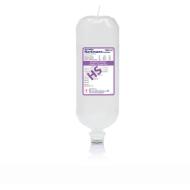
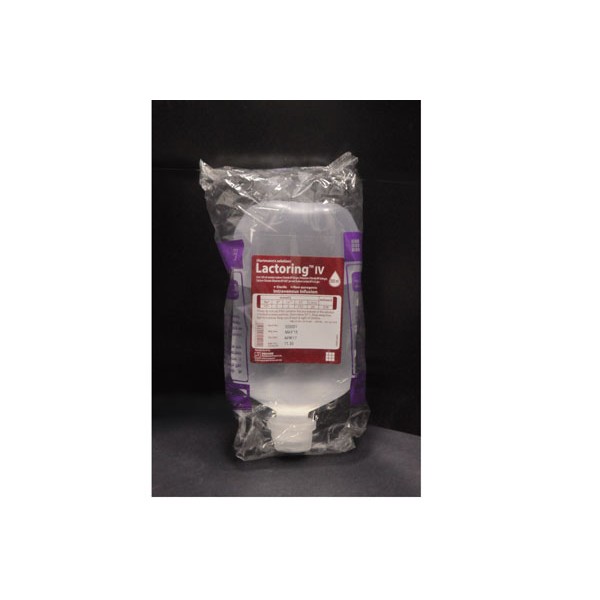
Lactoring IV Infusion 500 ml is a sterile intravenous fluid containing Hartmann's Solution (Compound Sodium Lactate), manufactured by Square Pharmaceuticals PLC. Each 100 ml contains Sodium Chloride BP 0.6 g, Potassium Chloride BP 0.04 g, Calcium Chloride BP 0.027 g, and Sodium Lactate 0.32 g — providing a balanced electrolyte composition closely resembling the body's extracellular fluid. The 500 ml vial is widely used for moderate volume replacement in surgical, medical, and emergency settings. Lactoring is used for fluid and electrolyte replacement in hypovolemia due to surgery, trauma, hemorrhage, burns, severe diarrhea or vomiting, excessive sweating, and electrolyte loss. It may also be used as an alternative to Sodium Bicarbonate in metabolic acidosis.
Dosage and Administration
The volume and rate of infusion are determined by the physician based on the patient's age, weight, and clinical condition. Recommended flow rate: up to 100 drops/minute/70 kg body weight. For burn patients (Parkland formula): 4 ml × kg body weight × % BSA burn in 24 hours. Use aseptic technique throughout. Check solution clarity before use — do not use if cloudy or if particles are visible. Insert the administration set using the Eurohead port, prime the tubing, and adjust drip rate per physician instructions.
Interaction
Use with caution when co-administered with potassium-sparing diuretics (risk of hyperkalemia) or drugs affecting electrolyte balance. The gluconeogenic lactate component may affect blood glucose in diabetic patients — monitor closely.
Contraindications
Relatively contraindicated in patients with diabetes mellitus due to the gluconeogenic nature of lactate. Use with caution in renal impairment, heart failure, pulmonary congestion, or conditions where electrolyte imbalance may cause harm.
Side Effects
Possible side effects include peripheral edema (swelling of hands, ankles, feet), and rarely pulmonary edema. Other possible symptoms: nausea, vomiting, headache, dizziness, drowsiness, confusion, and phlebitis at the infusion site. Discontinue infusion immediately if rigor (shivering) occurs.
Pregnancy and Lactation
Pregnancy category C. Use in pregnant women only if clearly needed. Avoid rapid or prolonged infusion during pregnancy.
Precautions and Warnings
Do not administer rapidly or for prolonged periods. Use with caution in patients with electrolyte imbalances, renal, cardiac, or pulmonary conditions, and in those receiving potassium-sparing diuretics. Discontinue immediately if rigor develops. Do not use if the solution is cloudy, contains particles, or if the expiry date has passed. For hospital/clinical use only under medical supervision.
Storage Conditions
Store at controlled room temperature. Keep away from light and moisture. For single use only — discard any unused portion after administration.
Frequently Asked Questions
Q: What is the difference between Lactoring 500 ml and 1000 ml?
A: Both contain the same Hartmann's Solution (Compound Sodium Lactate) in identical concentration. The 500 ml vial is used for smaller volume requirements or when moderate fluid replacement is needed, while the 1000 ml vial provides larger volume for more extensive resuscitation. The choice depends on the patient's clinical condition and physician's assessment.
Q: Is Lactoring (Hartmann's Solution) safe for patients with diabetes?
A: Lactoring should be used with caution in diabetic patients, as the sodium lactate component can be converted to glucose in the liver (gluconeogenesis), potentially raising blood glucose levels. Blood glucose monitoring is advisable during infusion in diabetic patients.