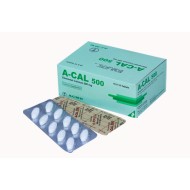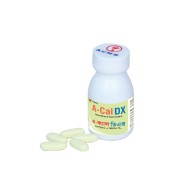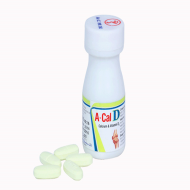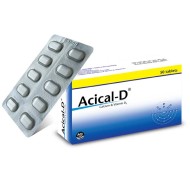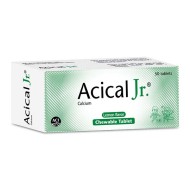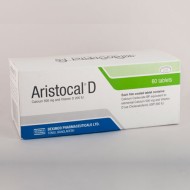
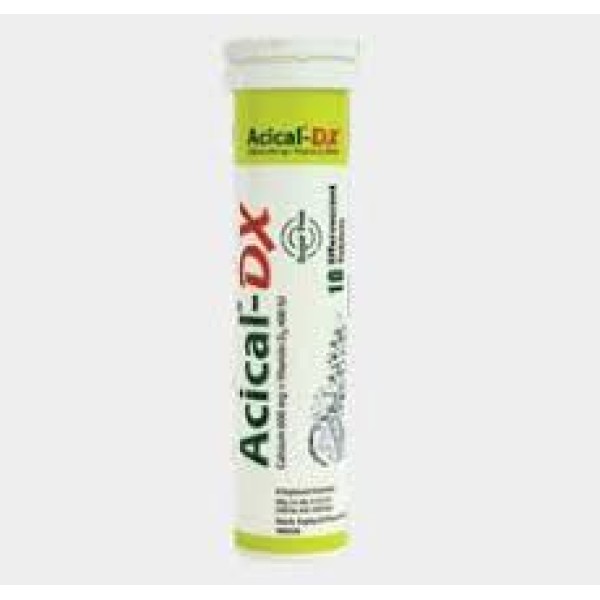
- Stock: Out Of Stock
- Brand: ACI Pharmaceuticals
- Product ID: Calcium Carbonate [Elemental] + Vitamin D3
🔒 100% Secure Payment | bKash | Nagad | SSLCommerz | COD
⭐ Become a FREE Member: 7% Extra Savings • Free Delivery • Refill Reminders • Priority Support
This Item is for pre order
Acical-DX Tab — Calcium Carbonate + Vitamin D3 Premium Formula
| Product Overview | |
|---|---|
| Brand Name | Acical-DX |
| Generic Name | Calcium Carbonate (Elemental) + Vitamin D3 (Cholecalciferol) — Premium Combination |
| Manufacturer | ACI Pharmaceuticals Ltd., Bangladesh |
| Drug Class | Calcium + Vitamin D3 Supplement |
| Dosage Form | Tablet (Box / Multipack) |
| Key Components | Elemental Calcium (from Calcium Carbonate) + Vitamin D3 (Cholecalciferol) 400 IU |
| Clinical Target Population | Adults, postmenopausal women, diabetic patients, elderly with osteoporosis risk |
| Storage | Store below 30°C away from light and moisture. Keep out of reach of children. |
| Pregnancy & Lactation | Safe and recommended during pregnancy and lactation under medical supervision |
1. Indications & Uses
Acical-DX is a premium-strength calcium and vitamin D3 combination tablet formulated for patients requiring reliable, high-quality calcium and vitamin D supplementation. The "DX" premium formulation delivers both elemental calcium and vitamin D3 in a single convenient tablet, addressing two of the most prevalent nutritional deficiencies in Bangladesh simultaneously.
Indicated for: osteoporosis prevention and treatment; calcium and vitamin D deficiency; postmenopausal bone loss; pregnancy and lactation supplementation; elderly patients at risk of fracture; prevention of secondary hyperparathyroidism; vitamin D insufficiency in patients with limited sun exposure; and supplementation for diabetic patients at risk of both bone loss and metabolic complications. In diabetes: Vitamin D deficiency impairs insulin secretion, promotes insulin resistance, and accelerates progression of diabetic nephropathy. Calcium + D3 supplementation with Acical-DX addresses the dual deficiency that affects over 65% of Bangladeshi diabetic patients, supporting both skeletal integrity and metabolic function.
2. Mechanism of Action
Elemental Calcium: Released from calcium carbonate in gastric acid; absorbed via TRPV6 (vitamin D-dependent) and paracellular routes in the small intestine. Incorporated into bone hydroxyapatite; regulates neuromuscular function, intracellular signalling, and coagulation cascades. Vitamin D3 (Cholecalciferol): Hepatically 25-hydroxylated to 25(OH)D3 (calcidiol); renally 1α-hydroxylated to active calcitriol [1,25(OH)₂D3]. Calcitriol binds VDR (vitamin D receptor) in intestinal epithelium, upregulating TRPV6 and calbindin-D9k to increase calcium absorption 2–3 fold. In pancreatic beta cells, VDR activation supports insulin gene expression and reduces pro-inflammatory cytokines (IL-6, TNF-α) that impair insulin action. In osteoblasts, calcitriol promotes differentiation, collagen synthesis, and bone mineralisation.
3. Dosage & Administration
Adults (osteoporosis prevention): 1–2 tablets daily with meals. Provides 400–800 IU vitamin D3 and 500–1000 mg elemental calcium per day.
Postmenopausal women: 2 tablets daily (morning and evening meals) — provides the WHO-recommended 1000–1200 mg calcium and 800 IU D3 target.
Elderly (>65 years): 2 tablets daily — reduced sun exposure and impaired renal D3 activation require consistent supplementation.
Pregnancy: 1–2 tablets daily as directed by obstetrician.
Diabetic patients: 1–2 tablets daily with meals. Consistent vitamin D supplementation supports insulin sensitivity and reduces risk of vitamin D-related metabolic complications.
Always take with food to maximise calcium carbonate dissolution and absorption.
4. Side Effects
Well tolerated at recommended doses. Calcium carbonate may cause constipation, flatulence, or nausea. Vitamin D3 at standard supplementation doses (400–800 IU/day) has no adverse effects. Vitamin D toxicity only with chronic very high doses >4000 IU/day: hypercalcaemia, polyuria, nephrocalcinosis.
5. Contraindications
Contraindicated in: hypercalcaemia; hypercalciuria; vitamin D toxicity; nephrolithiasis (calcium stones); severe renal failure; sarcoidosis; granulomatous disease.
6. Warnings & Precautions
Do not exceed 2500 mg elemental calcium/day total (all sources). Do not exceed 4000 IU vitamin D3/day total. Separate from quinolones, tetracyclines, bisphosphonates, thyroid medications, and iron by 2–4 hours. Monitor serum calcium in renal disease. Adequate hydration (≥8 glasses/day) required. Thiazide diuretics reduce urinary calcium — monitor for hypercalcaemia.
7. Drug Interactions
Same as Acical D: calcium reduces absorption of quinolones, tetracyclines, bisphosphonates, levothyroxine, iron — separate by 2–4h. Vitamin D may potentiate digoxin; thiazides increase hypercalcaemia risk; rifampicin and anticonvulsants accelerate D3 metabolism; cholestyramine reduces D3 absorption; corticosteroids reduce absorption of both.
8. Pharmacokinetics
Calcium carbonate: 20–40% absorbed with food; peak 1–2h. Cholecalciferol: fat-soluble; hepatically hydroxylated (T½ 2–3 weeks for 25(OH)D); stored in adipose tissue; renally activated. Target serum 25(OH)D: >75 nmol/L. Achieved in 3–6 months of consistent daily supplementation at 400–800 IU/day in moderately deficient individuals.
9. Storage
Below 30°C, away from light and moisture, in original packaging. Vitamin D3 is light-sensitive.
10. Overdose
Hypercalcaemia symptoms: nausea, polyuria, confusion, muscle weakness. Stop all calcium/vitamin D. IV saline + furosemide for severe cases. Emergency medical care required.
11. Missed Dose
Take when remembered; skip if near next dose. Long-term consistent use (months to years) produces the bone-protective benefits — individual missed doses are not critical.
12. Clinical Evidence
IOF/NOF recommend 1000–1200 mg calcium + 800 IU vitamin D3 daily for adults >50 at osteoporosis risk. RECORD trial: combined Ca+D3 reduced fractures in 5,292 elderly patients by 16%. Multiple meta-analyses confirm fracture risk reduction with consistent Ca+D3 supplementation. BIRDEM Bangladesh: vitamin D3 supplementation improved HbA1c by 0.5% and fasting glucose by 0.8 mmol/L over 6 months in T2DM patients with baseline deficiency.
13. Patient Counselling Points
• Take with meals — calcium carbonate needs stomach acid for dissolution.
• Take 2 doses daily (morning + evening meals) for optimal absorption (<500 mg elemental Ca at each dose).
• Get regular sunlight exposure to complement supplementation.
• Separate from other medications by 2–4 hours.
• Drink ≥8 glasses of water daily.
• Consistent daily use for months to years delivers the bone-protective benefits.
• Diabetic patients: vitamin D supports insulin sensitivity — take every day.
Frequently Asked Questions (FAQ)
Q1. Is Acical-DX suitable for long-term daily use?
Yes. At the recommended 1–2 tablets/day dosing, Acical-DX is safe for long-term daily use. The calcium and vitamin D3 doses are within WHO recommended safe ranges. Annual serum calcium and 25(OH)D testing is advisable for patients taking Ca+D3 supplements for >1 year, particularly those over 65 or with kidney disease.
Q2. Can postmenopausal women rely on Acical-DX alone for osteoporosis treatment?
Acical-DX provides essential foundational supplementation for postmenopausal osteoporosis. However, women with established osteoporosis (T-score ≤ −2.5 by DEXA) typically also need prescription anti-osteoporotic therapy (bisphosphonates, denosumab, or hormone therapy) alongside Ca+D3. Acical-DX is essential adjunct therapy, not a standalone treatment for established osteoporosis. A physician evaluation with DEXA scan is recommended.
Q3. Why is vitamin D deficiency so common in Bangladesh despite abundant sunshine?
Despite tropical sunshine, vitamin D deficiency affects 60–80% of Bangladeshis for several reasons: skin pigmentation (melanin reduces UVB-mediated D3 synthesis by up to 95%); cultural practices of covering skin outdoors; spending most daytime hours indoors; air pollution blocking UVB; using high-SPF sunscreen; and low dietary intake of vitamin D-rich foods (fatty fish, egg yolk, fortified milk). Supplementation with Acical-DX is therefore necessary for most Bangladeshis, not just those who avoid the sun.
Q4. Does Acical-DX help with muscle weakness and body aches?
Yes. Vitamin D deficiency is a major and underdiagnosed cause of generalised muscle weakness, body aches, and fatigue in Bangladesh. The muscle pain and weakness of vitamin D deficiency (osteomalacia) can be dramatic — some patients describe them as "whole-body aching." Supplementing with Acical-DX to normalise serum 25(OH)D typically resolves these symptoms within 4–12 weeks, often dramatically improving quality of life.
⚕ Medical Disclaimer: For educational purposes only. Osteoporosis treatment requires physician supervision. Patients with renal disease or hypercalcaemia should consult a doctor before use. This does not replace professional medical advice.