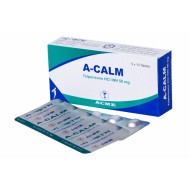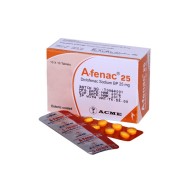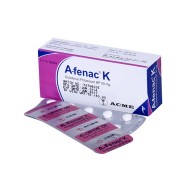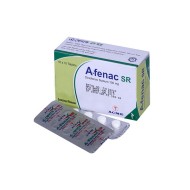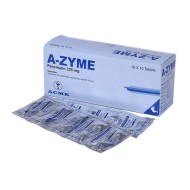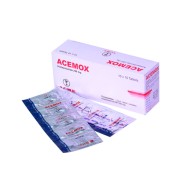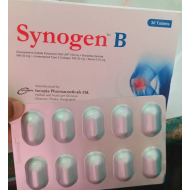
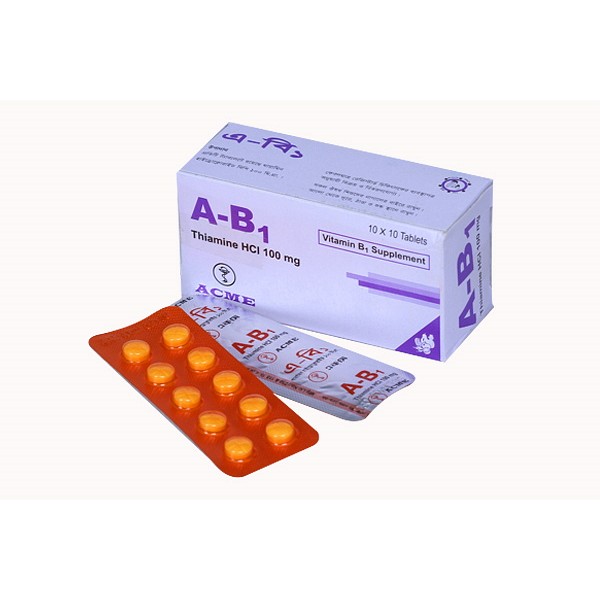
- Stock: Out Of Stock
- Brand: Acme Laboratories Limited
- Product ID: Thiamine Hydrochloride
🔒 100% Secure Payment | bKash | Nagad | SSLCommerz | COD
⭐ Become a FREE Member: 7% Extra Savings • Free Delivery • Refill Reminders • Priority Support
This Item is for pre order
A-B1 100 mg Tablet (Thiamine Hydrochloride) — Product Overview
| Quick Reference | |
|---|---|
| Brand Name | A-B1 |
| Generic Name | Thiamine Hydrochloride (Vitamin B1) 100 mg |
| Drug Class | Water-Soluble Vitamin / Vitamin B Complex |
| Manufacturer | ACI Limited, Bangladesh |
| Dosage Form | Tablet |
| Strength | 100 mg per tablet |
| Pack Size | 1 strip (10 tablets) |
| Storage | Below 30°C, in a dry place protected from light |
| Prescription Status | Available without prescription (OTC) |
What is A-B1 (Thiamine / Vitamin B1)?
A-B1 Tablet contains Thiamine Hydrochloride 100 mg, also known as Vitamin B1. Thiamine is an essential water-soluble vitamin that the human body cannot synthesise and must obtain from diet or supplementation. It is a critical cofactor for several enzymes involved in energy metabolism, particularly carbohydrate metabolism and the production of ATP (cellular energy). Deficiency of thiamine leads to serious neurological and cardiovascular conditions including beriberi and Wernicke's encephalopathy. A-B1 is particularly important for diabetic patients, who often develop thiamine deficiency due to increased renal excretion.
Why Vitamin B1 (Thiamine) Matters for Diabetics
Research has shown that people with type 1 and type 2 diabetes have significantly lower thiamine levels than non-diabetic individuals — up to 75% lower in some studies. This occurs because high blood glucose increases thiamine clearance through the kidneys. Thiamine deficiency in diabetes contributes to:
- Diabetic neuropathy (nerve damage) — tingling, numbness, and pain in hands and feet
- Endothelial dysfunction and cardiovascular complications
- Impaired glucose metabolism
- Increased oxidative stress
Thiamine supplementation is therefore commonly recommended as part of diabetes management alongside standard medications.
Mechanism of Action
Thiamine is phosphorylated in the body to thiamine pyrophosphate (TPP), the active coenzyme form. TPP is essential for three major enzyme complexes: pyruvate dehydrogenase (converts pyruvate to acetyl-CoA, linking glycolysis to the citric acid cycle), alpha-ketoglutarate dehydrogenase (in the citric acid cycle), and transketolase (in the pentose phosphate pathway). Without adequate thiamine, glucose cannot be fully metabolised for energy, leading to accumulation of toxic metabolites and impaired neuronal function.
Indications
A-B1 100mg is indicated for:
- Thiamine deficiency and beriberi: Both dry beriberi (peripheral neuropathy) and wet beriberi (cardiovascular manifestations)
- Wernicke's encephalopathy prevention: In high-risk patients (alcoholism, malnutrition, prolonged vomiting)
- Diabetic neuropathy: Adjunct therapy to reduce nerve damage symptoms
- Alcoholic neuropathy: Vitamin B1 depletion due to chronic alcohol use
- Nutritional supplementation: During pregnancy, malnutrition, prolonged illness, or restricted diets
- Post-bariatric surgery: Patients at risk of malabsorption
Dosage and Administration
Deficiency treatment (adults): 100–300 mg daily in divided doses for one month, then maintenance as directed.
Diabetic neuropathy: 100 mg one to three times daily as adjunct therapy.
Maintenance supplementation: 100 mg once daily.
Children: 10–50 mg daily depending on age and deficiency severity (consult paediatrician).
Thiamine is water-soluble — excess is excreted in urine and toxicity is extremely rare even at high doses. Take with or without food.
Contraindications
- Hypersensitivity to thiamine hydrochloride
No significant contraindications for oral thiamine at standard therapeutic doses. Very safe vitamin with an excellent tolerability profile.
Side Effects
Oral thiamine at therapeutic doses is extremely safe. Rarely reported: mild GI upset (nausea, stomach discomfort), flushing, or allergic skin reaction. Anaphylactic reactions are very rare and typically associated only with intravenous (IV) thiamine, not oral tablets.
Drug Interactions
- Loop diuretics (furosemide): Long-term use increases renal thiamine excretion, increasing deficiency risk
- Metformin: May reduce thiamine absorption — important consideration for diabetic patients on metformin
- Antacids: Alkaline pH may reduce thiamine stability; separate by 2 hours
Frequently Asked Questions (FAQ)
Q: Do diabetic patients need Vitamin B1 (Thiamine) supplementation?
A: Yes. Studies consistently show that diabetic patients have significantly lower thiamine levels. Supplementing with Vitamin B1 helps protect against diabetic neuropathy (nerve damage), supports glucose metabolism, and reduces oxidative stress associated with high blood sugar.
Q: Can I take A-B1 alongside my diabetes medications?
A: Yes. Thiamine is a safe water-soluble vitamin with no clinically significant interactions with common diabetes medications like metformin, sulfonylureas, or insulin. It is commonly taken alongside standard diabetes treatment.
Q: Is 100mg of Vitamin B1 too much?
A: No. Thiamine has no established upper tolerable intake level because toxicity is virtually unknown with oral supplementation. The body excretes what it doesn't need in urine. 100 mg is a standard therapeutic dose widely used globally.
Q: What are the signs of Vitamin B1 deficiency?
A: Early signs include fatigue, irritability, poor memory, and loss of appetite. More severe deficiency causes peripheral neuropathy (tingling/numbness in hands and feet), muscle weakness, and in serious cases, heart failure (wet beriberi) or brain damage (Wernicke's encephalopathy).
Medical Disclaimer
The information provided is for educational purposes only. Vitamin B1 supplementation does not replace a balanced diet or prescribed diabetes management. Patients with suspected severe deficiency (neurological symptoms, confusion) should seek urgent medical care.