- Stock: Out Of Stock
- Brand: Acme Laboratories Limited
- Product ID: Flucloxacillin Sodium
🔒 100% Secure Payment | bKash | Nagad | SSLCommerz | COD
⭐ Become a FREE Member: 7% Extra Savings • Free Delivery • Refill Reminders • Priority Support
This Item is for pre order
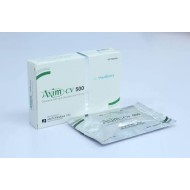
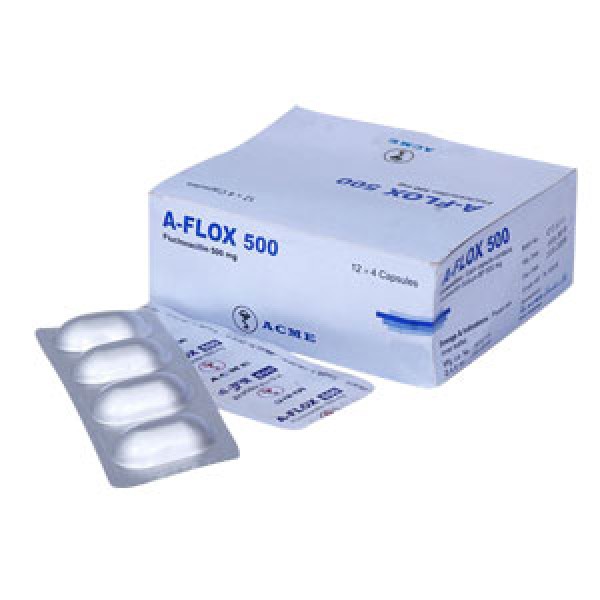
A-Flox 500mg Capsule — Flucloxacillin Sodium | Beximco Pharmaceuticals
| Generic Name | Flucloxacillin Sodium 500mg |
| Drug Class | Penicillinase-Resistant Penicillin (Isoxazolyl Penicillin — Beta-Lactam) |
| Manufacturer | Beximco Pharmaceuticals Ltd. |
| Route | Oral (Capsule) |
| Prescription Status | Prescription Required |
Overview
A-Flox 500mg contains Flucloxacillin Sodium — an oral isoxazolyl penicillin with excellent resistance to staphylococcal beta-lactamase (penicillinase). Unlike amoxicillin or ampicillin, flucloxacillin retains full activity against beta-lactamase-producing Staphylococcus aureus (MSSA). It has superior oral bioavailability (~50–70%) compared to its sister drug cloxacillin, making it the preferred oral anti-staphylococcal penicillin. It is a first-line oral treatment for MSSA skin and soft tissue infections, and a critical step-down antibiotic after IV therapy for diabetic foot or bone infections.
Mechanism of Action
Flucloxacillin binds to Penicillin-Binding Proteins (PBPs) on the bacterial cell wall, inhibiting transpeptidase activity and peptidoglycan cross-linking — causing cell wall lysis and bactericidal killing. The isoxazolyl ring system sterically protects its beta-lactam ring from hydrolysis by staphylococcal beta-lactamase, maintaining full activity against MSSA strains. It is specifically active against Staphylococcus aureus — the organism of greatest concern in skin, soft tissue, and diabetic foot infections.
Spectrum of Activity
| Organism | Coverage |
|---|---|
| Staphylococcus aureus — MSSA (beta-lactamase producing) | Excellent — primary target |
| Staphylococcus epidermidis (MSSE) | Good |
| Streptococcus pyogenes (Group A Strep) | Good |
| Streptococcus agalactiae (Group B) | Moderate |
| MRSA (Methicillin-Resistant S. aureus) | NOT covered — use vancomycin/linezolid |
| Gram-negative bacteria | NOT covered (narrow spectrum) |
| Anaerobes | NOT covered (add metronidazole for polymicrobial infections) |
Indications
- Skin and soft tissue infections — cellulitis, impetigo, infected eczema, wound infections (MSSA)
- Diabetic foot infections — mild-to-moderate, MSSA-predominant; step-down oral therapy after IV cloxacillin/flucloxacillin
- Post-operative wound infections
- Boils, carbuncles, and staphylococcal abscesses
- Bone and joint infections (osteomyelitis, septic arthritis) — oral step-down after IV therapy
- Otitis externa with staphylococcal component
Dosage
| Indication | Dose | Frequency | Duration |
|---|---|---|---|
| Mild skin / soft tissue infection | 250–500mg | Every 6 hours (QID) | 5–7 days |
| Moderate cellulitis | 500mg | Every 6 hours | 7–10 days |
| Diabetic foot step-down | 500mg | Every 6 hours | As directed by specialist |
| Osteomyelitis oral step-down | 500mg–1g | Every 6 hours | 4–6 weeks (specialist) |
| Children (2–10 years) | 250mg | Every 6 hours | Per indication |
Must be taken on an empty stomach — 30–60 minutes before meals or 2 hours after. Food significantly reduces absorption (by up to 50%). This is the most important administration instruction for flucloxacillin.
Critical Diabetic Patient Information
- Diabetic foot — step-down therapy: After IV treatment of moderate-severe diabetic foot infection with cloxacillin or other beta-lactams, flucloxacillin 500mg QID is the standard oral step-down when MSSA is confirmed on culture and the patient is clinically improving
- Always take fasting: Flucloxacillin absorption drops by ~50% with food. In diabetic patients already managing meal timings, scheduling doses 30 minutes before each meal (and one late evening dose) is the practical approach
- Hyperglycaemia during infection: Active staphylococcal infection typically causes stress hyperglycaemia. Monitor glucose more frequently (every 4–6 hours) until infection is controlled and glucose stabilises
- MRSA risk factor assessment: Diabetic patients with recurrent foot infections, prior hospitalisations, or prior antibiotics are at higher MRSA risk. If no clinical improvement within 48–72 hours on flucloxacillin, discuss MRSA testing and empiric vancomycin with your physician
- Hepatotoxicity: Flucloxacillin carries a recognised (though rare) risk of cholestatic hepatitis — more common in elderly patients and with prolonged courses. In diabetic patients on hepatically-processed drugs (statins, metformin), monitor liver enzymes if extended courses are needed
Side Effects
| System | Side Effect | Severity |
|---|---|---|
| GI | Nausea, vomiting, diarrhoea, abdominal discomfort | Common — take fasting to reduce GI effects |
| Hypersensitivity | Rash, urticaria, anaphylaxis (cross-reactive with all penicillins) | Common (rash) — Rare (anaphylaxis — Serious) |
| Hepatic | Cholestatic jaundice, elevated LFTs — can occur weeks after completing course | Rare — potentially serious; monitor |
| Haematological | Neutropenia (prolonged courses) | Rare — monitor FBC in long courses |
| Renal | Interstitial nephritis (rare) | Rare |
Drug Interactions
| Drug | Interaction |
|---|---|
| Warfarin | Flucloxacillin induces CYP enzymes — significantly reduces warfarin effect. Monitor INR closely and adjust warfarin dose |
| Probenecid | Increases flucloxacillin plasma levels (reduces renal tubular secretion) |
| Methotrexate | May increase methotrexate toxicity |
| Food | Reduces absorption by ~50% — must take fasting |
| Bacteriostatic antibiotics (tetracyclines, chloramphenicol) | May reduce bactericidal efficacy |
Contraindications
- Known hypersensitivity to flucloxacillin or any penicillin
- Previous flucloxacillin-associated jaundice or hepatic dysfunction
- History of severe penicillin anaphylaxis
Storage
Store below 25°C. Protect from moisture. Keep in original packaging. Keep out of reach of children.
Frequently Asked Questions
Q: Why must I take flucloxacillin on an empty stomach?
A: Food reduces flucloxacillin absorption by up to 50%, significantly reducing blood levels and potentially causing treatment failure. Always take 30–60 minutes before a meal.
Q: How is A-Flox different from A-Clox (Cloxacillin)?
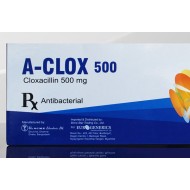
A: Both are penicillinase-resistant penicillins targeting MSSA. Flucloxacillin (A-Flox) has better oral bioavailability (~50–70% vs ~37% for cloxacillin), making it the preferred oral agent. Cloxacillin injection is commonly used for IV/IM administration.
Q: I developed jaundice after a course of flucloxacillin — is this serious?
A: Yes — report it to your physician immediately. Flucloxacillin-associated cholestatic hepatitis, though rare, can occur and may appear weeks after completing the course. Do not take flucloxacillin again if you have had this reaction.
Medical Disclaimer: A-Flox 500mg (Flucloxacillin Sodium) is a prescription-only antibiotic. Must be taken on an empty stomach — food halves absorption. Contraindicated in penicillin allergy and prior flucloxacillin-associated liver disease. Monitor liver function in prolonged courses. Flucloxacillin does NOT cover MRSA — culture results guide definitive therapy. This information is for educational purposes only. Always follow your physician's instructions.