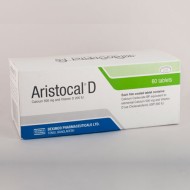
- Stock: Out Of Stock
- Brand: ACI Pharmaceuticals
- Product ID: Calcium Lactate Gluconate + Calcium Carbonate + Vitamin-C
🔒 100% Secure Payment | bKash | Nagad | SSLCommerz | COD
⭐ Become a FREE Member: 7% Extra Savings • Free Delivery • Refill Reminders • Priority Support
This Item is for pre order
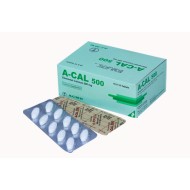
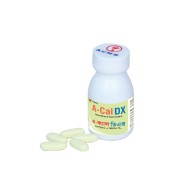
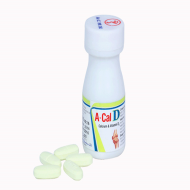
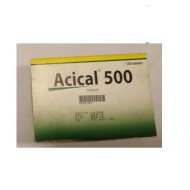
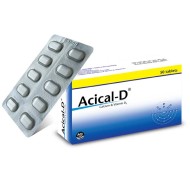
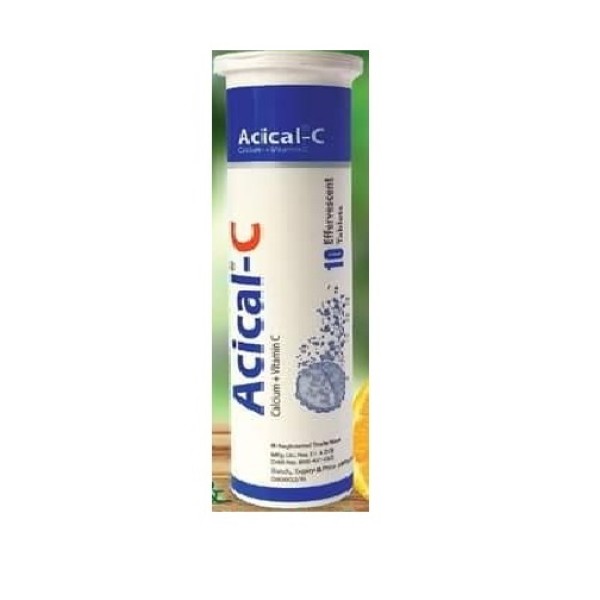
Acical-C Tab — Calcium + Vitamin C Effervescent/Chewable Tablet
| Product Overview | |
|---|---|
| Brand Name | Acical-C |
| Generic Name | Calcium Lactate Gluconate + Calcium Carbonate + Vitamin C (Ascorbic Acid) |
| Manufacturer | ACI Pharmaceuticals Ltd., Bangladesh |
| Drug Class | Calcium + Vitamin C Supplement |
| Dosage Form | Tablet |
| Key Advantage | Calcium Lactate Gluconate dissolves without requiring gastric acid — suitable for patients with low stomach acid or on PPIs |
| Vitamin C Role | Enhances collagen synthesis in bone matrix; supports wound healing; antioxidant protection of bone cells |
| Storage | Store below 25°C in a dry place, away from heat and light. Keep out of reach of children. |
| Pregnancy & Lactation | Safe and beneficial during pregnancy and lactation under physician supervision |
1. Indications & Uses
Acical-C combines two forms of calcium (lactate gluconate and carbonate) with vitamin C (ascorbic acid) in a single tablet. This triple-action formulation provides superior bioavailability compared to plain calcium carbonate, particularly in patients with compromised gastric acid secretion, and adds the collagen-supportive benefits of vitamin C for bone matrix quality.
Indicated for: calcium and vitamin C deficiency; osteoporosis (particularly in patients on proton pump inhibitors or with achlorhydria); pregnancy and lactation supplementation; patients with poor dietary vitamin C intake; bone health maintenance in diabetic patients; post-fracture rehabilitation; collagen disorders; prevention of calcium deficiency in the elderly; and patients with malabsorption syndromes. In diabetes: Vitamin C deficiency is more common in diabetic patients due to elevated oxidative stress depleting ascorbic acid. Low vitamin C is associated with increased glycaemic variability, vascular complications, and impaired wound healing — a critical concern in diabetics. Acical-C provides both structural bone calcium and the antioxidant, wound-healing vitamin C.
2. Mechanism of Action
Calcium Lactate Gluconate: Unlike calcium carbonate, calcium lactate gluconate dissolves readily in water regardless of gastric pH, providing soluble calcium ions for immediate intestinal absorption. It does not produce CO₂ and is therefore less likely to cause bloating. Provides bioavailable Ca²⁺ for bone mineralisation, neural transmission, and muscle function. Calcium Carbonate: Provides additional elemental calcium (40% by weight) via acid-dependent dissolution; neutralises gastric acid. Vitamin C (Ascorbic Acid): Essential co-factor for prolyl hydroxylase and lysyl hydroxylase enzymes that cross-link collagen fibres in bone matrix, cartilage, and skin. Without vitamin C, collagen synthesis fails, weakening the organic matrix of bone (causing scurvy in severe deficiency). Vitamin C also has antioxidant effects protecting osteoblasts from oxidative damage, and may enhance calcium absorption by maintaining an acidic microenvironment in the intestinal lumen.
3. Dosage & Administration
General supplementation (adults): 1 tablet daily with or without food. The calcium lactate gluconate component does not require food for absorption — making Acical-C more flexible than plain calcium carbonate.
Osteoporosis or significant deficiency: 1–2 tablets daily as directed by physician.
Pregnancy and lactation: 1–2 tablets daily as prescribed (1200–1500 mg elemental calcium daily required).
Elderly patients (>65 years): 1–2 tablets daily — calcium lactate gluconate is preferred in the elderly due to reduced gastric acid production.
Diabetic patients with vitamin C deficiency: 1 tablet twice daily under medical supervision to replenish antioxidant stores alongside calcium benefits.
4. Side Effects
Well tolerated. Calcium lactate gluconate causes less constipation and bloating than calcium carbonate. Common: mild nausea; occasional loose stools (vitamin C in high doses has mild laxative effect). Rare at standard doses: kidney stones (calcium oxalate) — ensure adequate fluid intake. Very high vitamin C doses (>2000 mg/day) may cause diarrhoea, uric acid stones, and interference with glucose monitoring test strips — not a concern at therapeutic doses in Acical-C.
5. Contraindications
Contraindicated in: hypercalcaemia; calcium oxalate nephrolithiasis; haemochromatosis (vitamin C enhances iron absorption — problematic in iron overload); glucose-6-phosphate dehydrogenase (G6PD) deficiency (high-dose vitamin C may cause haemolysis); severe renal failure.
6. Warnings & Precautions
Vitamin C enhances iron absorption — patients with iron-overload conditions should consult a physician. In patients prone to oxalate kidney stones, limit vitamin C to <500 mg/day. Maintain adequate fluid intake. High-dose vitamin C can interfere with certain blood glucose test methods (glucose oxidase test strips) — use alternative glucose monitoring if concerned. Do not exceed recommended doses. Patients with renal impairment should have calcium and creatinine levels monitored.
7. Drug Interactions
Vitamin C increases absorption of iron — separate from iron supplements by 2+ hours if iron overload is a concern, or co-administer if iron deficiency anaemia is being treated (beneficial interaction). Calcium reduces absorption of quinolones, tetracyclines, bisphosphonates, levothyroxine — separate by 2–4 hours. High vitamin C may interfere with warfarin anticoagulation — monitor INR. Aspirin may reduce plasma vitamin C levels. Calcium carbonate component interacts with thiazides (hypercalcaemia risk).
8. Pharmacokinetics
Calcium Lactate Gluconate: Absorbed without requiring gastric acid; bioavailability equivalent to or higher than calcium carbonate in achlorhydric patients. Calcium Carbonate: Requires acid dissolution; 20–40% absorbed. Vitamin C: Rapidly absorbed in the small intestine via SVCT1 transporter (saturable at high doses); peak plasma 2–3h post-dose; half-life 10–20 days; renally excreted. Plasma vitamin C is maintained at ~60–80 µmol/L with 200 mg/day intake; tissue saturation at ~200 mg/day. Diabetic patients often have lower plasma vitamin C due to increased oxidative consumption.
9. Storage & Handling
Store below 25°C — vitamin C is sensitive to heat, light, and moisture. Avoid humid storage. Keep in original packaging. Check expiry before use. Discard if tablets have discoloured (vitamin C oxidation causes yellowing).
10. Overdose
Calcium overdose: hypercalcaemia (nausea, confusion, polyuria). Vitamin C overdose (>2 g/day): diarrhoea, abdominal cramps, uric acid and oxalate renal stones. Stop supplementation and seek medical advice. Emergency care for severe hypercalcaemia.
11. Missed Dose
Take as soon as remembered; skip if next dose is due. Consistent use over time is key — occasional missed doses are not critical.
12. Clinical Evidence
Calcium lactate gluconate has demonstrated superior dissolution and comparable bioavailability to calcium carbonate in patients with reduced gastric acid. Vitamin C (ascorbic acid) supplementation at 300–500 mg/day has been shown to reduce oxidative stress markers (MDA, 8-OHdG) by 20–35% in diabetic patients (Diabetes Care, 2017). A Framingham Osteoporosis Study analysis found that dietary vitamin C intake was associated with a 3.1-fold lower risk of hip fracture in older men. The combination of calcium with vitamin C is particularly relevant in Bangladesh where both nutrients are commonly deficient.
13. Patient Counselling Points
• Acical-C can be taken with or without food — the calcium lactate gluconate component doesn't require stomach acid.
• Separate from thyroid medications, antibiotics, and bisphosphonates by 2–4 hours.
• Drink ≥8 glasses of water daily — important with any calcium supplement.
• Store below 25°C and avoid humidity — vitamin C degrades with heat and moisture.
• Diabetic patients: vitamin C helps combat oxidative stress and supports wound healing.
• Do not exceed recommended doses — excess vitamin C can cause kidney stones in susceptible individuals.
Frequently Asked Questions (FAQ)
Q1. Why does Acical-C contain two types of calcium?
The combination of calcium lactate gluconate and calcium carbonate provides complementary benefits. Calcium lactate gluconate dissolves without requiring stomach acid, ensuring absorption in patients with low acid (elderly, PPI users). Calcium carbonate provides a higher elemental calcium content per tablet (40% by weight) and also acts as an antacid. Together, they deliver reliable, well-absorbed calcium across a wider range of physiological conditions.
Q2. Does vitamin C in Acical-C interfere with blood glucose tests?
Very high doses of vitamin C (>1000 mg) can interfere with some older glucose test strip methods (glucose oxidase). At the therapeutic dose in Acical-C, this interference is clinically insignificant. Modern glucose meters are generally not affected. If you are concerned, test blood glucose 2 hours after taking Acical-C, or discuss with your healthcare provider about your specific glucose monitor's susceptibility.
Q3. Can Acical-C help with diabetic wound healing?
Yes. Vitamin C is essential for collagen synthesis, which is critical for wound healing. Diabetic patients have impaired wound healing partly due to oxidative stress depleting vitamin C stores. Supplementing with vitamin C (as in Acical-C) supports collagen production, reduces oxidative damage, and improves capillary integrity. Several studies have shown that vitamin C supplementation significantly accelerates wound healing in diabetic patients with chronic wounds.
Q4. Is Acical-C suitable for people who can't take regular calcium tablets?
Yes. The calcium lactate gluconate in Acical-C dissolves without requiring gastric acid, making it suitable for elderly patients with reduced stomach acid, patients on proton pump inhibitors (omeprazole, esomeprazole), patients with achlorhydria, and those who experience bloating or constipation with standard calcium carbonate. It is a more comfortable alternative for these groups.
⚕ Medical Disclaimer: For educational purposes only. Patients with G6PD deficiency, haemochromatosis, or renal disease should consult a physician before use. Does not substitute professional medical advice.