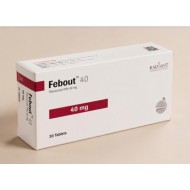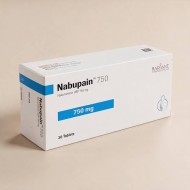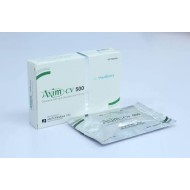
- Stock: In Stock
- Brand: Beximco Pharmaceutical
- Product ID: Amlodipine
🔒 100% Secure Payment | bKash | Nagad | SSLCommerz | COD
⭐ Become a FREE Member: 7% Extra Savings • Free Delivery • Refill Reminders • Priority Support
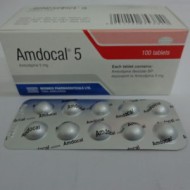
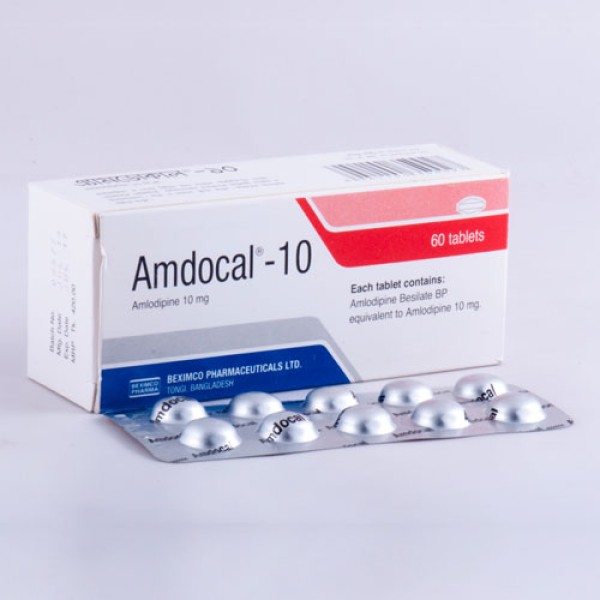
Amdocal 10 mg Tablet — Amlodipine Besilate | Beximco Pharmaceuticals
| Generic Name | Amlodipine Besilate (Amlodipine Besylate) |
| Strength | 10 mg |
| Dosage Form | Film-Coated Tablet |
| Manufacturer | Beximco Pharmaceuticals Ltd. |
| Therapeutic Class | Calcium Channel Blocker (Dihydropyridine) |
| Pack Size | 30 Tablets per Box |
| Unit Price | ৳8.00 per Tablet |
| Availability | In Stock — Available Online |
Overview
Amdocal 10 mg Tablet is the higher-strength formulation of Beximco's calcium channel blocker, containing Amlodipine Besilate 10 mg per film-coated tablet. It is indicated when the standard 5 mg dose fails to achieve adequate blood pressure or angina control. As the maximum recommended daily dose of amlodipine, Amdocal 10 mg is prescribed for patients with resistant hypertension, difficult-to-control angina, or those who have been up-titrated from Amdocal 5 mg.
Indications
- Resistant Hypertension — when 5 mg dose is inadequate after 7–14 days
- Chronic Stable Angina — prevention of exercise-induced chest pain requiring higher-dose therapy
- Vasospastic Angina (Prinzmetal's Angina) — coronary vasospasm requiring maximum dose control
- Diabetic Hypertension with Multiple Comorbidities — safe for patients with T2DM and co-existing cardiac disease
- Isolated Systolic Hypertension — in patients unresponsive to lower doses
Benefits
- Maximum licensed dose — provides strongest antihypertensive effect in the amlodipine range
- Once-daily dosing maintains 24-hour blood pressure control
- No adverse effect on blood glucose — safe for diabetic patients
- Safe in patients with asthma and CKD (unlike beta-blockers or ACE inhibitors)
- Reduces cardiovascular event risk in high-risk hypertensive patients
- Manufactured under WHO-GMP standards by Beximco Pharmaceuticals
Pharmacology
Amlodipine is a long-acting, third-generation dihydropyridine calcium channel blocker with high vascular selectivity. At the 10 mg dose, amlodipine produces more pronounced inhibition of L-type calcium channels in vascular smooth muscle, resulting in greater arteriolar vasodilation and a more significant reduction in peripheral vascular resistance. Its plasma half-life of 35–50 hours ensures stable trough drug concentrations with once-daily dosing. Amlodipine also dilates coronary arteries and arterioles both in normal and ischaemic myocardial regions, relieving coronary artery spasm in Prinzmetal's angina and increasing myocardial oxygen delivery in stable angina.
Dosage & Administration
| Indication | Dose | Notes |
|---|---|---|
| Hypertension (inadequate control on 5 mg) | 10 mg once daily | After minimum 7–14 days on 5 mg |
| Stable Angina | 10 mg once daily | Maximum recommended dose |
| Elderly / Hepatic Impairment | Titrate carefully from 2.5–5 mg | Use 10 mg only under physician supervision |
Administration: May be taken with or without food, at the same time each day. Do not exceed 10 mg/day. Never discontinue abruptly without physician guidance.
Use in Special Populations
- Diabetic Patients: Amlodipine 10 mg is safe and glucose-neutral; suitable for T2DM patients needing stronger BP control.
- Elderly: Use with caution; peripheral oedema is more frequent at 10 mg. Begin at lower doses.
- Hepatic Impairment: Titrate very carefully; half-life significantly prolonged. Use lowest effective dose.
- Renal Impairment: No dose adjustment required.
- Pregnancy Category C: Avoid unless clearly necessary. Consult physician.
- Lactation: Not recommended during breastfeeding.
Contraindications
- Known hypersensitivity to amlodipine, dihydropyridines, or any excipient
- Severe hypotension (systolic BP <90 mmHg)
- Cardiogenic shock
- Haemodynamically unstable heart failure after acute MI
- Severe aortic stenosis
Warnings & Precautions
- Peripheral Oedema: More common at 10 mg (up to 20% of patients); usually benign but may require dose reduction.
- Hypotension: Risk increased at higher dose — monitor BP closely after initiation.
- Worsening Angina / MI: Rare — particularly in severe obstructive CAD patients. Seek immediate care if chest pain worsens.
- Heart Failure: Use cautiously; higher dose may worsen oedema in HF patients.
Drug Interactions
| Drug | Interaction & Management |
|---|---|
| Cyclosporine / Tacrolimus | Amlodipine increases their levels; monitor and adjust doses |
| CYP3A4 Inhibitors (ketoconazole, ritonavir) | Significantly increased amlodipine exposure at 10 mg; monitor for hypotension |
| CYP3A4 Inducers (rifampicin) | Reduced efficacy; may require close monitoring |
| Simvastatin | Limit simvastatin to 20 mg/day when combined with amlodipine |
| Other Antihypertensives | Additive hypotensive effect; increased risk of hypotension |
| Metformin / Antidiabetics | No clinically significant interaction |
Side Effects
Common (≥1%): Peripheral/ankle oedema (more frequent than with 5 mg), flushing, headache, dizziness, fatigue, palpitations.
Uncommon (<1%): Nausea, abdominal discomfort, rash, insomnia, muscle cramps.
Rare (<0.1%): Gingival hyperplasia, hepatitis, severe skin reactions.
Pregnancy & Lactation
Pregnancy Category C: Use only when benefit clearly outweighs risk. Safer alternatives should be considered for hypertension in pregnancy.
Lactation: Avoid; may be excreted in breast milk.
Storage Conditions
- Store below 30°C in a cool, dry place
- Protect from moisture and direct sunlight
- Keep in the original blister pack until use
- Keep out of reach and sight of children
Frequently Asked Questions (FAQ)
Q1: What is Amdocal 10 mg used for?
Amdocal 10 mg is prescribed when the 5 mg dose of amlodipine does not adequately control blood pressure or angina. It is the maximum recommended daily dose of amlodipine and provides the strongest blood pressure and angina-control effect within the amlodipine range.
Q2: What is the difference between Amdocal 5 mg and Amdocal 10 mg?
Both contain amlodipine besilate but at different strengths. Physicians typically start treatment with Amdocal 5 mg and, if blood pressure targets are not met after 7–14 days, may increase to Amdocal 10 mg. The 10 mg dose provides a stronger antihypertensive effect but also carries a higher risk of side effects such as ankle swelling and flushing.
Q3: Can diabetic patients take Amdocal 10 mg?
Yes. Amlodipine, regardless of dose, is glucose-neutral and does not impair insulin secretion or increase blood sugar levels. It is one of the preferred antihypertensives for patients with type 2 diabetes and hypertension, and is safe to combine with metformin, insulin, and other antidiabetic medicines.
Q4: Is ankle swelling from Amdocal 10 mg dangerous?
Peripheral oedema (ankle/leg swelling) caused by amlodipine is a vasodilatory effect, not a sign of heart failure. It is more common at the 10 mg dose. While usually benign, persistent or severe swelling should be discussed with your physician, who may consider dose reduction or a different antihypertensive class.
Q5: Can I switch from Amdocal 10 mg to a lower dose?
Yes, with physician guidance. If blood pressure is well-controlled, your physician may consider reducing the dose back to 5 mg. Never change your dose without medical advice.
Q6: Is Amdocal 10 mg a prescription medicine?
Yes, Amdocal 10 mg is a prescription-only (Rx) medicine. You must have a valid prescription from a registered physician. You can upload your prescription when ordering from DiabetesStore.com.bd.
Medical Disclaimer: This information is for educational purposes only and does not substitute for professional medical advice. Always consult a registered physician or licensed pharmacist before starting, changing, or stopping any medication. DiabetesStore.com.bd is not liable for outcomes arising from use of this information.