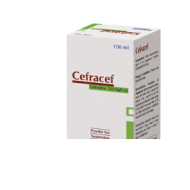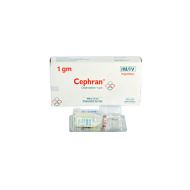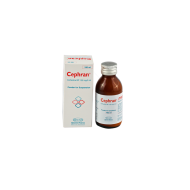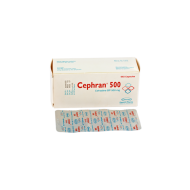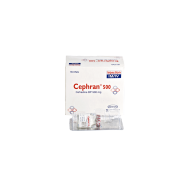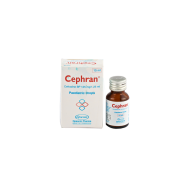

- Stock: Out Of Stock
- Brand: ACI Pharmaceuticals
- Product ID: Cephradine
🔒 100% Secure Payment | bKash | Nagad | SSLCommerz | COD
⭐ Become a FREE Member: 7% Extra Savings • Free Delivery • Refill Reminders • Priority Support
This Item is for pre order
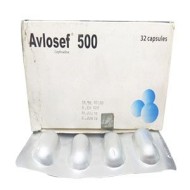
Avlosef 250mg Capsule – Cephradine for Skin, Throat & Urinary Infections
| Brand Name | Avlosef 250mg |
|---|---|
| Generic Name | Cephradine (Cefradine) 250mg |
| Strength | 250mg per capsule |
| Dosage Form | Hard Gelatin Capsule |
| Manufacturer | ACI Limited, Bangladesh |
| Drug Class | First-Generation Cephalosporin Antibiotic |
| Prescription Required | Yes (Rx) |
| Storage | Below 25°C, dry place, away from light and moisture. |
1. Cephradine vs Amoxicillin: Choosing Between First-Line Oral Antibiotics
Avlosef 250mg (Cephradine), manufactured by ACI Limited, is a first-generation cephalosporin antibiotic. Understanding when cephradine offers an advantage over amoxicillin helps prescribers make evidence-based choices. Key differences: (1) β-lactamase stability: Cephradine is more stable against many β-lactamases than amoxicillin, offering a clinical advantage in organisms that produce β-lactamases but are sensitive to first-generation cephalosporins (e.g., some S. aureus strains); (2) Spectrum: Both cover Gram-positive cocci (Streptococcus, S. aureus). Cephradine has slightly better S. aureus coverage; amoxicillin has better Enterococcus coverage. For H. influenzae, cephradine is less active than amoxicillin; (3) Penicillin allergy: Cephradine is a safe alternative in patients with non-severe penicillin allergy (rash). Cross-reactivity with penicillins is approximately 1–2% for first-generation cephalosporins — avoid in patients with documented penicillin anaphylaxis; (4) Oral bioavailability: Cephradine has excellent oral bioavailability (~90%) and is well absorbed with or without food — comparable to amoxicillin.
2. Cephradine in Skin and Soft Tissue Infections
First-generation cephalosporins including cephradine are particularly effective for skin and soft tissue infections (SSTIs) caused by S. aureus and Streptococcus pyogenes — the two most common SSTI pathogens. Clinical indications: (1) Impetigo: Topical mupirocin first-line for limited disease; cephradine 250–500mg TDS for extensive impetigo or when oral therapy is required; (2) Cellulitis (non-purulent): Streptococcal cellulitis responds well to cephradine 500mg QDS. Response expected within 48–72 hours; (3) Furunculosis and carbuncles: Cephradine is appropriate for S. aureus furunculosis without MRSA suspicion. Note: community-acquired MRSA (CA-MRSA) is resistant to all cephalosporins — if no response within 48 hours, consider MRSA and escalate to co-trimoxazole or clindamycin; (4) Infected wounds: Post-traumatic wound infections and infected surgical wounds due to S. aureus. In diabetic patients: foot infections and wound care are particularly important — infected diabetic foot ulcers may require broader coverage than cephradine alone.
3. Cephradine for UTI in Pregnancy
Urinary tract infections in pregnancy require antibiotics proven safe for both mother and fetus. Cephradine is one of the preferred oral antibiotics for UTI in pregnancy in Bangladesh when amoxicillin resistance is suspected. Safety profile: (1) FDA Pregnancy Category B — animal studies show no fetal harm; human data reassuring; (2) Effective against E. coli, the most common UTI pathogen, though resistance rates are increasing in Bangladesh; (3) Dosing for uncomplicated UTI in pregnancy: 500mg TDS or QDS × 7 days (longer course than in non-pregnant women — 3-day courses have higher failure rates in pregnancy); (4) Test-of-cure urine culture 7 days after completing treatment is recommended in pregnancy to confirm eradication; (5) Avoid: fluoroquinolones (joint/tendon toxicity in animal models), tetracyclines, and trimethoprim (folate antagonism in first trimester) in pregnancy. Cephradine is safe throughout all trimesters.
4. Dosage
Adults: 250–500mg every 6 hours (QDS) or 500mg–1g every 12 hours (BD) depending on severity. For mild-moderate infections: 250mg QDS or 500mg BD × 7–10 days. For severe infections: 500mg QDS. Cephradine can be taken with or without food — food delays but does not reduce absorption. Take with adequate water. Complete the full prescribed course — do not stop early if feeling better.
5. Cephradine in Diabetic Patients
Diabetic patients are at higher risk of skin and soft tissue infections and UTIs — the two main oral indications for cephradine. Key considerations: (1) Diabetic skin infections: Hyperglycaemia impairs neutrophil function, making infections more severe and slower to respond. Standard antibiotic courses may need to be extended; blood glucose optimisation is as important as antibiotic selection; (2) Diabetic UTI: More likely to involve unusual organisms and to ascend to pyelonephritis. A positive urine culture in a diabetic patient requires full 7-day treatment even if asymptomatic (asymptomatic bacteriuria in diabetes warrants treatment, unlike in non-diabetic adults); (3) Renal impairment: Cephradine is primarily renally excreted. In CKD (common in long-standing diabetes), dose reduction is required: GFR 20–50ml/min: reduce dose by 50%; GFR <20ml/min: avoid unless no alternatives.
Frequently Asked Questions (FAQ)
Q1: Is cephradine (Avlosef) stronger than amoxicillin for skin infections?
For S. aureus skin infections, cephradine generally has better clinical outcomes than amoxicillin. This is because many S. aureus strains produce penicillinase (a β-lactamase), which inactivates amoxicillin. Cephradine is more resistant to S. aureus penicillinase, making it more effective for cellulitis, impetigo, and furunculosis caused by S. aureus. For streptococcal infections (e.g., strep throat, erysipelas), both drugs are equally effective. If the skin infection does not respond to cephradine within 48–72 hours, consider MRSA (community-acquired MRSA is resistant to cephradine) and seek medical review for possible co-trimoxazole or clindamycin.
Q2: I'm allergic to amoxicillin — can I take cephradine capsules?
It depends on the type of allergy. If your amoxicillin allergy was: (1) Maculopapular rash (flat spots, days 5–7): Cross-reactivity with cephradine is very low — you can likely use cephradine safely under medical supervision; (2) Urticaria (hives): 1–2% cross-reactivity risk — discuss with doctor before use; (3) Anaphylaxis, angio-oedema, bronchospasm: Avoid cephradine — use macrolides (azithromycin, clarithromycin) or clindamycin as alternatives. In general, cephradine is a suitable alternative for non-severe penicillin allergy in Bangladesh where macrolide resistance is common.
Q3: How is cephradine different from cefalexin?
Cephradine and cefalexin are very similar first-generation cephalosporins with nearly identical spectra and clinical uses. Key similarities: same generation, similar spectrum (Gram-positive cocci, limited Gram-negative), similar clinical indications. Key differences: (1) Cephradine has slightly higher oral bioavailability; (2) Cephradine can also be given IV/IM (the same drug can be reformulated for injection, unlike cefalexin which is oral-only); (3) Clinical outcomes are equivalent for most indications. In Bangladesh, Avlosef (cephradine) and cefalexin are used interchangeably in practice — choose based on availability and cost.
Q4: I have type 2 diabetes and a foot wound — will cephradine treat it?
Mildly infected diabetic foot wounds (superficial, limited cellulitis, no deep tissue involvement) with S. aureus as suspected pathogen can be treated with cephradine 500mg QDS. However: (1) Moderate-to-severe diabetic foot infections (deep tissue, tendon/bone involvement, systemic signs) require IV antibiotics and hospital admission; (2) Diabetic foot infections are often polymicrobial (S. aureus + Gram-negatives + anaerobes) — cephradine alone has insufficient Gram-negative and anaerobic coverage for these cases; (3) MRSA is increasingly common in diabetic foot infections — if no response in 48–72 hours, test for MRSA; (4) Wound debridement and glucose optimisation are as important as antibiotics in diabetic foot management. Always have diabetic foot infections evaluated by a physician — do not self-treat.