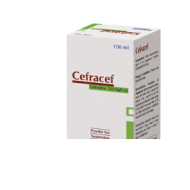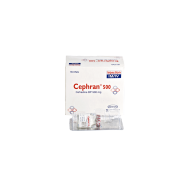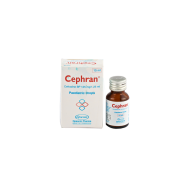

- Stock: Out Of Stock
- Brand: ACI Pharmaceuticals
- Product ID: Cephradine
🔒 100% Secure Payment | bKash | Nagad | SSLCommerz | COD
⭐ Become a FREE Member: 7% Extra Savings • Free Delivery • Refill Reminders • Priority Support
This Item is for pre order
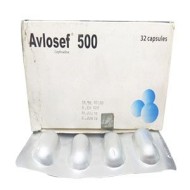
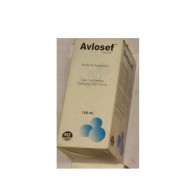
Avlosef DS 250mg/5ml Suspension – Double-Strength Cephradine for Children
| Brand Name | Avlosef DS 250mg/5ml |
|---|---|
| Generic Name | Cephradine 250mg per 5ml Double Strength Suspension |
| Strength | 250mg per 5ml (50mg/ml) |
| Dosage Form | Powder for Oral Suspension (Double Strength) |
| Manufacturer | ACI Limited, Bangladesh |
| Drug Class | First-Generation Cephalosporin Antibiotic |
| Prescription Required | Yes (Rx) |
| Storage | Dry powder: below 25°C. Reconstituted: 2–8°C, use within 7 days. |
1. Double-Strength Cephradine Suspension: Practical Advantages for Older Children
Avlosef DS 250mg/5ml by ACI Limited provides cephradine 250mg per 5ml (50mg/ml) — double the concentration of standard 125mg/5ml suspension. This concentrated formulation is practical for older/heavier children where standard suspension doses become impractically large. At 25–50mg/kg/day (standard paediatric dose), a 20kg child needs: using standard 125mg/5ml: up to 13ml per dose TDS — bulky. Using DS 250mg/5ml: 6.5ml per dose TDS — more practical. The DS suspension bridges the gap between standard suspension and capsules for children approaching the transition age (approximately 6–10 years).
2. Cephradine DS in Paediatric Skin Infections
Children in Bangladesh are prone to skin infections including impetigo, infected insect bites, and post-traumatic wound infections — particularly during monsoon season when skin abrasions from outdoor activities and insects are common. Avlosef DS suspension is appropriate for: (1) Extensive impetigo: Honey-crusted lesions with S. aureus and/or Streptococcus pyogenes. Cephradine DS suspension 25mg/kg/day QDS × 7–10 days; (2) Infected eczema (secondary bacterial infection): Children with atopic eczema are at high risk of S. aureus superinfection — excoriated lesions become colonised, then infected. Cephradine suspension provides Gram-positive coverage without requiring capsule-swallowing; (3) Infected insect bites/cellulitis: Spreading erythema, warmth, and swelling after insect bite requiring oral antibiotics. Standard cephradine 25mg/kg/day; (4) Post-circumcision wound care: Prophylactic or therapeutic use for wound infections following traditional or medical circumcision.
3. Step-Down from IV to Oral Cephradine in Children
IV-to-oral antibiotic step-down is an evidence-based strategy that reduces hospital stay, catheter-related complications, and cost without compromising outcomes in appropriate patients. Criteria for step-down from IV Avlosef injection to Avlosef DS oral suspension in children: (1) Temperature trending down over 24 hours or afebrile for 24 hours; (2) Heart rate and respiratory rate normalising; (3) Child is alert and tolerating oral fluids; (4) White cell count trending towards normal; (5) Infection not involving the central nervous system, bloodstream, or endocardium (which require IV completion). When these criteria are met, oral cephradine DS suspension can replace IV cephradine at an equivalent weight-based dose. This is appropriate for: skin and soft tissue infections, community pneumonia, AOM, and UTI once clinical stability is established.
4. Dosage
Standard paediatric cephradine dose: 25–50mg/kg/day in 2–4 divided doses. Using DS 250mg/5ml (50mg/ml): volume per dose (ml) = (weight × dose per day) ÷ (number of doses per day) ÷ 50. For 15kg child at 25mg/kg/day QDS: (15 × 25) ÷ 4 ÷ 50 × 5 = 3.75ml QDS. For 15kg at 50mg/kg/day QDS (severe): (15 × 50) ÷ 4 ÷ 50 × 5 = 7.5ml QDS. Duration: 7–10 days for most infections. Reconstitute with the volume of water specified on the bottle label — add water in two portions, shake between additions to ensure uniform mixing.
5. Cephradine vs Amoxicillin Suspension for Children: When to Choose Which
Both Avlosef DS (cephradine) and Avlomox DS (amoxicillin) suspensions are widely used in Bangladeshi paediatric practice. Guidance on choice: (1) Skin/soft tissue infections (impetigo, cellulitis): Cephradine preferred — better S. aureus penicillinase stability; (2) Acute otitis media: Amoxicillin preferred — better coverage of H. influenzae and M. catarrhalis (common AOM pathogens). High-dose amoxicillin (80mg/kg/day) for suspected drug-resistant S. pneumoniae; (3) Tonsillitis/strep pharyngitis: Both equally effective for Group A Strep; (4) Mild penicillin allergy history (rash): Cephradine suspension preferred over amoxicillin; (5) UTI: Cephradine preferred for E. coli UTI where ampicillin/amoxicillin resistance is suspected (high in Bangladesh). Clinical decision should be based on infection type and local resistance patterns.
Frequently Asked Questions (FAQ)
Q1: Why is my child prescribed DS suspension instead of regular cephradine suspension?
DS (double strength) means 250mg per 5ml instead of the standard 125mg per 5ml. Your child is on DS suspension because: (1) They are heavier — DS allows adequate dosing in smaller, more manageable volumes; (2) They need a higher dose — some infections (severe skin infections, pyelonephritis) require higher mg/kg doses where DS is more practical; (3) Prescriber preference for the DS formulation in a certain weight range. Both contain the same antibiotic (cephradine). The key is to give the exact ml volume written on the dispensing label — do not assume the same volume as a previous prescription with a different strength bottle.
Q2: My child's skin infection isn't getting better after 2 days — should I stop cephradine?
Do not stop without medical advice. 2 days may be too early to judge treatment failure — full response typically takes 48–72 hours. However, if spreading is continuing and fever persisting at 48–72 hours, seek medical review. Possible reasons for poor response: (1) MRSA infection (resistant to all cephalosporins); (2) Abscess formation requiring surgical drainage alongside antibiotics; (3) Incorrect diagnosis (fungal infection, non-infective skin condition); (4) Underdosing — verify the dose given matches the calculated mg/kg dose. If still not responding, your doctor may swab the wound for culture and sensitivity, escalate to clindamycin or co-trimoxazole (active against MRSA), or arrange drainage of any collection.
Q3: Can cephradine DS suspension be given to a child with egg or food allergy?
Cephradine itself is not derived from egg or food products. The DS suspension excipients (colouring, flavouring, preservatives) can occasionally cause reactions in children with specific food hypersensitivities. If your child has known food allergies: (1) Check the product leaflet for excipient list; (2) Tartrazine (yellow food colouring, E102) in some antibiotic suspensions can cause reactions in aspirin-sensitive individuals — check if present; (3) Most children with standard food allergies (egg, milk, nut) can safely use cephradine suspension; (4) If your child has had previous reactions to medicines, inform the pharmacist who can check excipient compatibility.
Q4: How should I store reconstituted cephradine DS suspension without a refrigerator?
Reconstituted cephradine DS suspension ideally needs refrigeration (2–8°C) and has a 7-day shelf life. Without a refrigerator: (1) Store in the coolest part of your home (below 25°C); (2) Stability at room temperature is approximately 3 days — if you cannot refrigerate, use within 3 days and discard remaining suspension; (3) Keep away from direct sunlight and heat sources; (4) During Bangladesh summers when room temperature exceeds 30°C, unrefrigerated suspension may degrade faster — a cool box or clay pot (matir ghora) water cooling can help maintain lower temperatures; (5) If the suspension changes colour, becomes watery, or develops an unusual smell, discard and obtain a fresh bottle. Never freeze cephradine suspension.