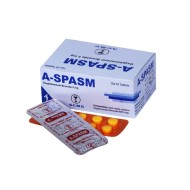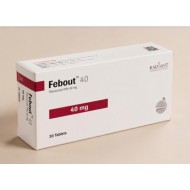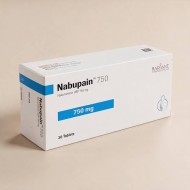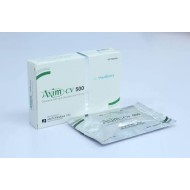
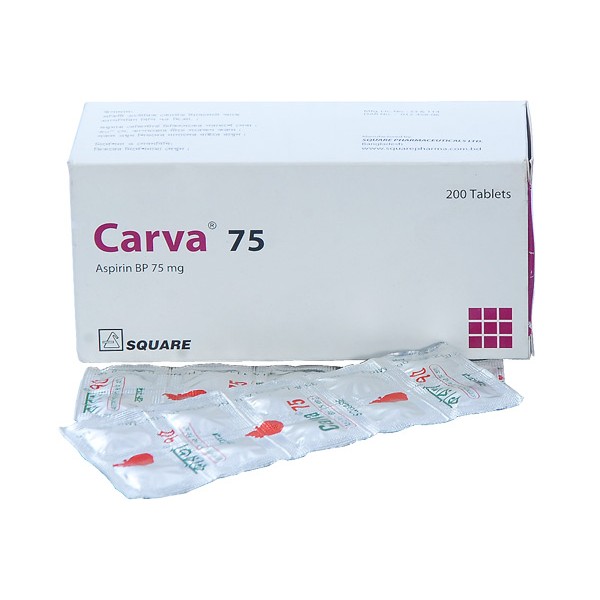
- Stock: Out Of Stock
- Brand: Square Pharmaceuticals
- Product ID: Aspirin
🔒 100% Secure Payment | bKash | Nagad | SSLCommerz | COD
⭐ Become a FREE Member: 7% Extra Savings • Free Delivery • Refill Reminders • Priority Support
This Item is for pre order
| Generic Name | Aspirin |
| Strength | 75 mg |
| Dosage Form | Tablet (Enteric Coated) |
| Manufacturer | Square Pharmaceuticals PLC |
| Therapeutic Class | Anti-platelet drugs |
| Pack Size | Strip of 15's |
Overview
Carva 75 mg Tablet contains Aspirin, an enteric-coated anti-platelet agent manufactured by Square Pharmaceuticals PLC. By decreasing platelet aggregation, it inhibits thrombus formation in the arteries, where anticoagulants have little effect. The enteric coating reduces intestinal disturbance and gastrointestinal ulceration associated with plain aspirin.
Indications
Carva is indicated for prophylaxis against arterial occlusive events such as myocardial infarction, myocardial re-infarction, after bypass surgery, and acute ischaemic stroke/TIA. It is also used for mild to moderate pain (headache, muscle pain, dysmenorrhoea, toothache), chronic disease accompanied by pain and inflammation (osteoarthritis), and as an antipyretic for cold, fever and influenza.
Pharmacology
Aspirin inhibits thrombus formation on the arterial side of the circulation by decreasing platelet aggregation. It is the analgesic of choice for headache, transient musculoskeletal pain and dysmenorrhoea, and has anti-inflammatory and antipyretic properties. Enteric-coated Aspirin reduces intestinal disturbance and gastrointestinal ulceration due to aspirin.
Dosage and Administration
Pain, inflammatory diseases and as antipyretic: Aspirin 300 mg, 1-3 tablets every 6 hours, with a maximum daily dose of 4 gm.
Suspected acute coronary syndrome: 150-300 mg immediately unless there are clear contraindications.
After myocardial infarction: 150 mg daily for 1 month, then 75 mg daily long-term.
Acute ischaemic stroke/TIA: Starting dose 150-300 mg daily, then 75 mg daily thereafter.
Following bypass surgery: 75-300 mg daily starting 6 hours post-procedure.
Interaction
Salicylates may enhance the effect of anticoagulants, oral hypoglycaemic agents, phenytoin and sodium valproate. They inhibit the uricosuric effect of probenecid and may increase the toxicity of sulphonamides. They may also precipitate bronchospasm or induce attacks of asthma in susceptible subjects.
Contraindications
Contraindicated in children under 12 years (risk of Reye's syndrome), in breast-feeding, and in active peptic ulcer. Also contraindicated in bleeding due to haemophilia, intracranial haemorrhage and other ulceration.
Side Effects
Side effects at usual doses are generally mild, including nausea, dyspepsia, gastrointestinal ulceration and bronchospasm.
Pregnancy and Lactation
It is especially important not to use aspirin during the last 3 months of pregnancy unless specifically directed by a doctor, as it may cause problems in the unborn child or complications during delivery. Aspirin penetrates into breast milk, so it should be administered with caution to lactating mothers.
Precautions and Warnings
Should be administered cautiously in asthma, uncontrolled blood pressure, and pregnant women. Use with caution in patients with nasal polyps and nasal allergy.
Storage Conditions
Keep out of the reach of children. Store in a cool and dry place, protected from light.
Frequently Asked Questions
What is Carva 75 mg Tablet used for?
It is a low-dose enteric-coated aspirin used mainly to prevent heart attack, stroke and other arterial blood clots in at-risk patients.
Can Carva be taken by children?
No, aspirin is contraindicated in children under 12 years due to the risk of Reye's syndrome.
This content is for informational purposes only and does not substitute professional medical advice. Please consult a registered physician before taking any medication.