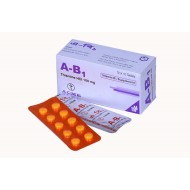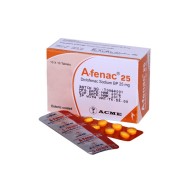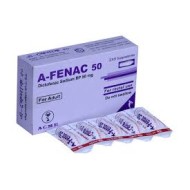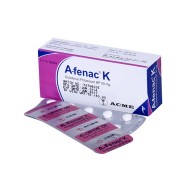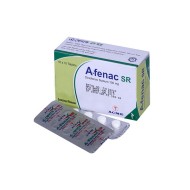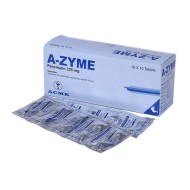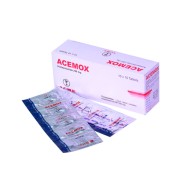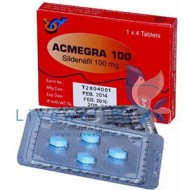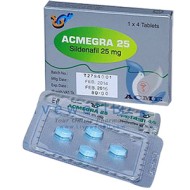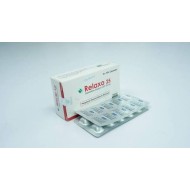

- Stock: Out Of Stock
- Brand: Beximco Pharmaceutical
- Product ID: Ezetimibe
🔒 100% Secure Payment | bKash | Nagad | SSLCommerz | COD
⭐ Become a FREE Member: 7% Extra Savings • Free Delivery • Refill Reminders • Priority Support
This Item is for pre order
Indications
Acifix is indicated for the treatment of:
* Active duodenal ulcer
* Active benign gastric ulcer
* Symptomatic erosive or ulcerative gastro-esophageal reflux disease (GERD).
* Gastro-esophageal Reflux Disease Long-term Management (GERD Maintenance)
* Symptomatic treatment of moderate to very severe gastro-esophageal reflux disease (symptomatic GERD)
* Zollinger-Ellison Syndrome
* In combination with appropriate antibacterial therapeutic regimens for the eradication of Helicobacter pylori in patients with peptic ulcer disease.
Pharmacology
Rabeprazole suppresses gastric acid secretion by inhibiting the gastric H+/K+-ATPase at the secretory surface of the gastric parietal cell. Because this enzyme is regarded as the acid (proton) pump within the parietal cell, Rabeprazole has been characterized as a gastric proton-pump inhibitor.
Dosage & Administration
Active Duodenal Ulcer and Active Benign Gastric Ulcer: The recommended oral dose for both bioactive duodenal ulcer and active benign gastric ulcer is 20 mg to be taken once daily in the morning. Most patients with active duodenal ulcer heal within four weeks. However, a few patients may require an additional four weeks of therapy to achieve healing. Most patients with active benign gastric ulcer heal within six weeks. However, again a few patients may require an additional six weeks of therapy to achieve healing.
Erosive or Ulcerative Gastro-Esophageal Reflux Disease (GERD): The recommended oral dose for this condition is 20 mg to be taken once daily for four to eight weeks.
Gastro-Esophageal Reflux Disease Long-term Management (GERD Maintenance): For long-term management, a maintenance dose of rabeprazole sodium 20 mg or 10 mg once daily can be used depending upon patient response.
Symptomatic treatment of moderate to very severe Gastro-Esophageal Reflux Disease (symptomatic GERD): 10 mg once daily in patients without oesophagitis.
Zollinger-Ellison Syndrome: The recommended adult starting dose is 60 mg once a day.
Eradication of H. pylori: Rabeprazole sodium 20 mg twice daily, clarithromycin 500 mg twice daily and amoxicillin 1g twice daily for 7 days.
Side Effects
In general, Acifix is well-tolerated in both short-term and long-term studies. Acifix may sometimes cause headache, diarrhoea, abdominal pain, vomiting, constipation, dry mouth, increased or decreased appetite, muscle pain, drowsiness, dizziness.
Precautions & Warnings
* Symptomatic response to therapy with Acifix does not preclude the presence of gastric or oesophageal malignancy.
* Patients on long-term treatment (particularly those treated for more than a year) should be kept under regular surveillance.
* Proton pump inhibitors, especially if used in high doses and over long durations (>1 year), may modestly increase the risk of hip, wrist and spine fracture.
* Co-administration of atazanavir with Acifix is not recommended.
* Treatment with proton pump inhibitors may possibly increase the risk of gastrointestinal infections such as Salmonella, Campylobacter and Clostridium difficile.
Hypomagnesaemia: Severe hypomagnesaemia has been reported in patients treated with PPIs for at least three months. For patients expected to be on prolonged treatment or who take PPIs with digoxin or drugs that may cause hypomagnesaemia, health care professionals should consider measuring magnesium levels before starting PPI treatment and periodically during treatment.
Influence on vitamin B12 absorption: Acifix, as all acid-blocking medicines, may reduce the absorption of vitamin B12 (cyanocobalamin) due to hypo- or a- chlorhydria.
Contraindications
Hypersensitivity to the active substance or to any of the excipients. Rabeprazole is contra-indicated in pregnancy and during breastfeeding.
Pregnancy & Lactation
US FDA pregnancy category 'C'. Studies have been performed in animals and have revealed no evidence of impaired fertility or harm to the fetus due to Rabeprazole. There are however, no adequate and well-controlled studies in pregnant women. Rabeprazole is likely to be excreted in human milk, a decision should be made whether to discontinue nursing or to discontinue the drug, taking into account the importance of the drug to the mother.
Storage Conditions
Keep below 30°C temperature, away from light & moisture. Keep out of the reach of children.
Medical Disclaimer: This information is for educational purposes only and is not a substitute for professional medical advice, diagnosis, or treatment. Always consult your physician or pharmacist before starting any medication.