- Stock: In Stock
- Brand: Square Pharmaceuticals
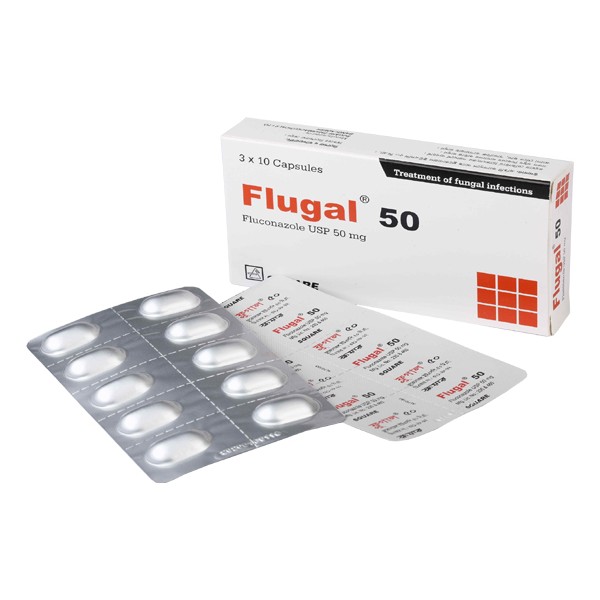
- Product ID: Fluconazole
🔒 100% Secure Payment | bKash | Nagad | SSLCommerz | COD
⭐ Become a FREE Member: 7% Extra Savings • Free Delivery • Refill Reminders • Priority Support
| Generic Name | Fluconazole |
|---|---|
| Strength | 50 mg |
| Dosage Form | Capsule |
| Manufacturer | Square Pharmaceuticals PLC |
| Therapeutic Class | Drugs for subcutaneous mycoses and systemic mycoses |
| Pack Size | 5 × 10 capsules |
Overview
Flugal 50mg Capsule contains Fluconazole, a synthetic triazole antifungal agent. It acts by inhibiting cytochrome P450-dependent 14α-lanosterol demethylase, an enzyme essential for the biosynthesis of ergosterol in fungal cell membranes. The resulting depletion of ergosterol disrupts membrane integrity and function, leading to antifungal activity. Fluconazole is effective against Candida species, Cryptococcus neoformans, dermatophytes, and Malassezia furfur.
Dosage and Administration
Oropharyngeal Candidiasis: 200 mg on day 1, then 100 mg daily for at least 14 days. Esophageal Candidiasis: 200 mg day 1, then 100 mg daily for minimum 21 days. Vaginal Candidiasis: 150 mg single dose. Tinea infections (corporis, cruris, pedis): 150 mg once weekly for 4–6 weeks (up to 6 months for tinea pedis). Pityriasis versicolor: 300 mg once weekly for 2 weeks or 150 mg weekly for 4 weeks. Onychomycosis: 150 mg once weekly for 6 months (toenail) or 3–6 months (fingernail). Systemic candidal infections: 400 mg day 1, then 200 mg daily; severe cases 400 mg/day. Cryptococcal meningitis: 400 mg day 1, then 200–400 mg daily for 6–8 weeks minimum. Capsules may be taken with or without food.
Interaction
Fluconazole may increase prothrombin time when used with warfarin — close monitoring is required. Co-administration with sulphonylureas (glibenclamide, glipizide, tolbutamide) may increase risk of hypoglycaemia. Hydrochlorothiazide increases plasma fluconazole levels by approximately 40%. Phenytoin levels may increase significantly. Rifampicin reduces fluconazole AUC and half-life. Cyclosporin plasma levels may rise — monitoring is necessary. Theophylline clearance is decreased. Minor interactions may occur with oral contraceptives but are generally not clinically significant.
Contraindications
Flugal 50mg Capsule is contraindicated in patients with known hypersensitivity to fluconazole or other related azole/triazole antifungal compounds. It should not be co-administered with terfenadine or cisapride due to risk of serious cardiac arrhythmias.
Side Effects
Common side effects include nausea, abdominal discomfort, diarrhoea, and flatulence. Skin rash may occur rarely; discontinue if exfoliative or bullous lesions develop. Serious hypersensitivity reactions including anaphylaxis have been reported rarely. Transient elevations in liver enzymes may occur; hepatotoxicity is rare but possible with prolonged use.
Pregnancy and Lactation
Fluconazole is not recommended during pregnancy. It is contraindicated in women of childbearing potential who are not using effective contraception. Fluconazole passes into breast milk at concentrations similar to plasma; it should not be used by nursing mothers.
Precautions and Warnings
Use with caution in patients with hepatic or renal impairment; dose adjustment may be necessary based on creatinine clearance. Liver function tests should be monitored during prolonged therapy. Patients developing abnormal liver function tests or signs of hepatotoxicity should be evaluated for discontinuation. Rare cases of severe exfoliative skin reactions (Stevens-Johnson syndrome) have been reported, particularly in immunocompromised patients. Administer with caution in patients with known pro-arrhythmic conditions.
Storage Conditions
Store in a dry place, away from direct light and heat. Keep below 30°C. Keep out of reach of children.
Frequently Asked Questions
Q: Can Flugal 50mg be used for a single-dose vaginal yeast infection?
A: The standard single-dose treatment for vaginal candidiasis is 150 mg of fluconazole. The 50mg strength is typically used for multi-day courses for other fungal infections. Always follow your physician's prescribed dose and duration.
Q: How long does it take for Fluconazole to work?
A: Symptom improvement may begin within 24–48 hours, but the full course must be completed to ensure complete eradication of the fungal infection. Do not stop the medication early without consulting your doctor.