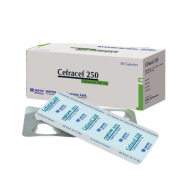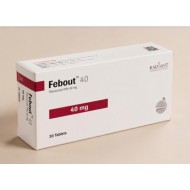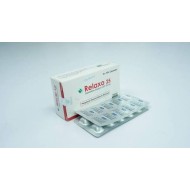
- Stock: In Stock
- Brand: Square Pharmaceuticals
- Product ID: Tranexamic acid
🔒 100% Secure Payment | bKash | Nagad | SSLCommerz | COD
⭐ Become a FREE Member: 7% Extra Savings • Free Delivery • Refill Reminders • Priority Support
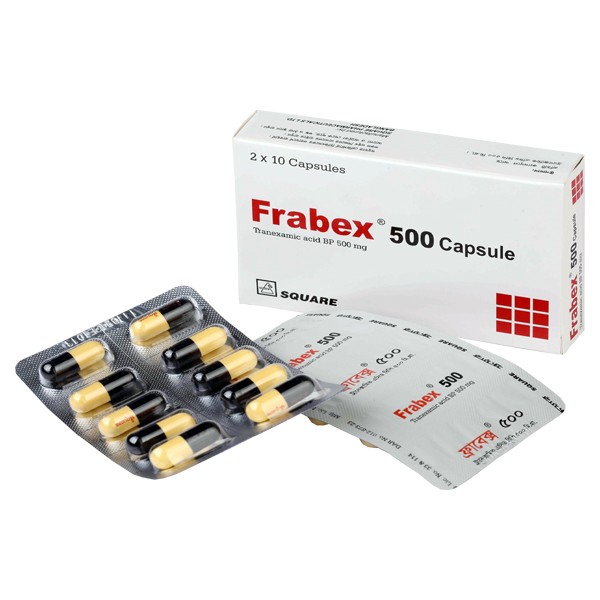
| Generic Name | Tranexamic Acid |
|---|---|
| Strength | 500 mg |
| Dosage Form | Tablet |
| Manufacturer | Square Pharmaceuticals PLC |
| Therapeutic Class | Anti-fibrinolytic Drugs, Haemostatic Drugs |
| Pack Size | 2 × 10 tablets |
Overview
Frabex (Tranexamic Acid 500 mg) is an anti-fibrinolytic agent that competitively inhibits the activation of plasminogen to plasmin, thereby preventing the breakdown of fibrin clots and reducing bleeding. It is used in the prophylaxis and treatment of haemorrhage associated with surgery (including cardiac, orthopaedic, and gynaecological procedures), obstetrics, urology, oncology, and ophthalmology, as well as in hereditary angioneurotic oedema.
Dosage and Administration
Adults: 500–1000 mg (1–2 tablets) three times daily. The dose may be adjusted according to the severity of bleeding and clinical response. Children: 5–10 mg/kg body weight per day in divided doses. In patients with renal impairment, dose reduction is necessary based on serum creatinine levels. Tablets should be swallowed whole with water and may be taken with or without food.
Interaction
Tranexamic acid is incompatible with penicillins and solutions containing blood. Thrombolytic agents (streptokinase, urokinase) antagonise the effect of tranexamic acid. Concurrent use of oestrogen-containing contraceptives or hormone replacement therapy may further increase the risk of thromboembolic events. Factor IX complex concentrates or anti-inhibitor coagulant concentrates should not be used concomitantly.
Contraindications
Frabex is contraindicated in patients with known hypersensitivity to tranexamic acid, in those with active thromboembolic disease (deep vein thrombosis, pulmonary embolism, cerebral thrombosis), and in patients with serious renal failure due to the risk of accumulation. It should not be used in subarachnoid haemorrhage as cerebral oedema and cerebral infarction may result.
Side Effects
Common adverse effects include nausea, vomiting, diarrhoea, and abdominal discomfort, usually resolving with dose reduction. Hypotension may occur if the intravenous formulation is injected too rapidly. Thromboembolic events (e.g., deep vein thrombosis, pulmonary embolism, arterial thrombosis) have been reported rarely. Visual disturbances (colour vision changes) have been noted with long-term use. Dizziness and allergic skin reactions may also occur.
Pregnancy and Lactation
Tranexamic acid crosses the placenta and is distributed into breast milk at concentrations approximately 1% of maternal plasma levels. It should be used during pregnancy only when clearly necessary. Use during breastfeeding is generally considered safe given the low concentrations in breast milk, but should be discussed with a physician.
Precautions and Warnings
Use with caution in patients with a history of thromboembolic disease or those with risk factors for thrombosis. Regular ophthalmic examination (including visual acuity and colour vision) is recommended during long-term therapy. Patients with disseminated intravascular coagulation (DIC) who require tranexamic acid should be under close medical supervision. Dose adjustment is required in renal impairment.
Storage Conditions
Store in a dry place at 15–30°C, away from light and moisture. Keep out of reach of children.
Frequently Asked Questions
Q: How quickly does Frabex work to stop bleeding?
A: Tranexamic acid begins to act within 30–60 minutes of oral administration. Peak plasma concentrations are reached within 2–3 hours. The duration of anti-fibrinolytic activity in tissues is approximately 17 hours, and in the urine approximately 7–8 hours.
Q: Can Frabex be used for heavy menstrual bleeding?
A: Yes, tranexamic acid is an established treatment for heavy menstrual bleeding (menorrhagia). It significantly reduces menstrual blood loss when taken during menstruation. Always consult a registered physician for appropriate dosing and to rule out underlying causes.