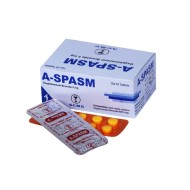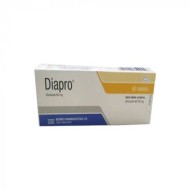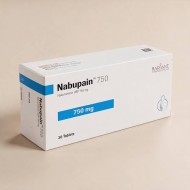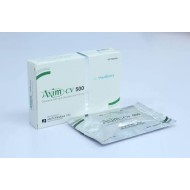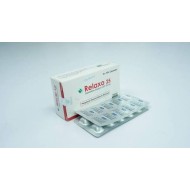
- Stock: In Stock
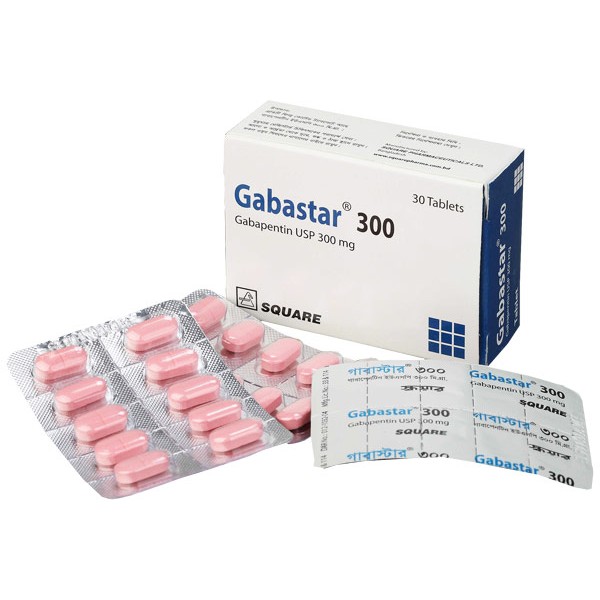
- Brand: Square Pharmaceuticals
- Product ID: Gabapentin
🔒 100% Secure Payment | bKash | Nagad | SSLCommerz | COD
⭐ Become a FREE Member: 7% Extra Savings • Free Delivery • Refill Reminders • Priority Support
| Generic Name | Gabapentin |
|---|---|
| Strength | 300 mg |
| Dosage Form | Tablet |
| Manufacturer | Square Pharmaceuticals PLC |
| Therapeutic Class | Adjunct Anti-epileptic Drugs |
| Pack Size | 3 × 10 tablets |
Overview
Gabastar 300 mg (Gabapentin) is a structural analogue of the inhibitory neurotransmitter GABA with established efficacy in epilepsy and neuropathic pain. Gabapentin binds to the alpha-2-delta subunit of voltage-gated calcium channels in the central nervous system, attenuating neuronal hyperexcitability and reducing the release of excitatory neurotransmitters such as glutamate and substance P. It is used as adjunctive treatment for partial seizures and as a primary treatment for post-herpetic neuralgia and neuropathic pain including painful diabetic neuropathy. The 300 mg strength is the standard maintenance dose unit used after initial titration.
Dosage and Administration
Neuropathic pain (adults): Titrate to 300 mg three times daily (900 mg/day), increasing if needed up to 1800 mg/day in three divided doses. Some patients may benefit from doses up to 3600 mg/day. Epilepsy (adjunctive, adults and children over 12): 900–1800 mg/day in three divided doses; maximum 3600 mg/day. Children aged 3–12: 10–15 mg/kg/day in three divided doses. Dose must be reduced in renal impairment (based on creatinine clearance). Tablets may be taken with or without food. Doses should be spaced no more than 12 hours apart.
Interaction
Antacids (aluminium/magnesium) reduce gabapentin bioavailability by ~20%; administer gabapentin at least 2 hours after antacid. CNS depressants (alcohol, opioids, benzodiazepines, sedating antihistamines) produce additive sedation and respiratory depression. Morphine increases gabapentin plasma concentrations. Naproxen and hydrocodone may also increase gabapentin levels. Cimetidine reduces gabapentin renal clearance slightly.
Contraindications
Contraindicated in known hypersensitivity to gabapentin or any component. Avoid abrupt discontinuation in patients with epilepsy. Use with caution in patients with pre-existing respiratory conditions, as gabapentin can cause respiratory depression, particularly in combination with opioids or other CNS depressants.
Side Effects
The most common adverse effects are somnolence, dizziness, ataxia, and fatigue. Peripheral oedema and weight gain may occur during extended use. Nystagmus, tremor, and diplopia may be seen at higher doses. Behavioural disturbances (hyperactivity, hostility) occur in some paediatric patients. Rare serious effects include suicidal ideation, anaphylaxis, angioedema, severe respiratory depression, and drug reaction with eosinophilia and systemic symptoms (DRESS).
Pregnancy and Lactation
Gabapentin crosses the placenta; neonatal withdrawal syndrome has been reported with in-utero exposure. Use during pregnancy only when the benefit clearly outweighs the risk. Monitor neonates exposed in utero for withdrawal. Gabapentin is present in breast milk at approximately 1–4 mg/L; infants should be monitored for sedation. An informed clinical decision should be made regarding continuation of breastfeeding.
Precautions and Warnings
Monitor all patients for suicidal thoughts and behaviour, particularly during the first few months of treatment. Do not withdraw gabapentin abruptly — taper over a minimum of one week to prevent rebound seizures or withdrawal symptoms. Adjust dose carefully in elderly patients and those with renal impairment. Exercise caution when driving or operating machinery, as gabapentin causes somnolence and dizziness. Avoid alcohol during treatment.
Storage Conditions
Store below 30°C in a dry place, protected from light and moisture. Keep out of reach of children.
Frequently Asked Questions
Q: How long does it take for Gabastar 300 mg to relieve neuropathic pain?
A: Meaningful pain relief typically begins within 1–2 weeks of reaching a therapeutic dose. Full benefit may take 4–8 weeks. Individual response varies — some patients respond rapidly while others require dose titration over several weeks. Do not discontinue if relief is not immediate; discuss with your physician before making any dose changes.
Q: Is Gabastar 300 mg the same as pregabalin?
A: No. Gabapentin and pregabalin are related compounds that work through a similar mechanism (alpha-2-delta calcium channel binding), but they are different molecules with different pharmacokinetics. Pregabalin has more predictable and linear absorption than gabapentin. Both are used for neuropathic pain and epilepsy, but doses, dosing intervals, and relative potencies differ. They are not interchangeable without physician guidance.