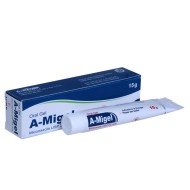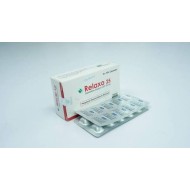
- Stock: Out Of Stock
- Brand: Square Pharmaceuticals
- Product ID: Miconazole
🔒 100% Secure Payment | bKash | Nagad | SSLCommerz | COD
⭐ Become a FREE Member: 7% Extra Savings • Free Delivery • Refill Reminders • Priority Support
This Item is for pre order
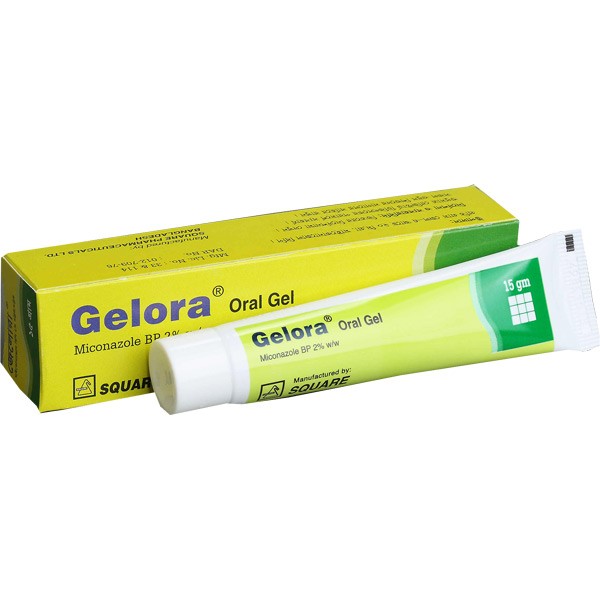
| Generic Name | Miconazole Nitrate |
|---|---|
| Strength | 2% w/w |
| Dosage Form | Oral Gel |
| Manufacturer | Square Pharmaceuticals PLC |
| Therapeutic Class | Antifungal Preparations |
| Pack Size | 15 gm tube |
Overview
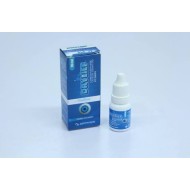
Gelora Oral Gel (Miconazole Nitrate 2% w/w) is a topical antifungal preparation specifically formulated for application to the oral cavity and gastrointestinal tract. Miconazole disrupts the fungal cell membrane by inhibiting the synthesis of ergosterol and has additional activity against certain gram-positive bacteria. Gelora is indicated for oral candidiasis (thrush), gastrointestinal candidiasis, and gram-positive bacterial superinfections in the mouth. It is suitable for adults, children, and infants (from 4 months of age under appropriate supervision).
Dosage and Administration
Adults and children over 2 years: Apply 2.5 ml (half a measuring spoon) to the affected area in the mouth four times daily after meals and at bedtime. Retain in the mouth as long as possible before swallowing. Infants (4 months and older): Apply a small amount (1.25 ml) to the oral mucosa four times daily using a clean finger; do not allow the infant to lie flat immediately after application to avoid choking. Continue treatment for at least 1 week after symptoms resolve to prevent relapse. Do not exceed the recommended dose.
Interaction
Even with topical oral use, sufficient systemic absorption may occur to produce drug interactions. Miconazole significantly inhibits CYP2C9 and CYP3A4 enzymes. It may markedly enhance the effects of warfarin (increased INR and bleeding risk), oral hypoglycaemics (hypoglycaemia risk), phenytoin (toxicity), and statins (myopathy risk). Concomitant use with terfenadine, astemizole, or cisapride is contraindicated due to risk of cardiac arrhythmias.
Contraindications
Contraindicated in known hypersensitivity to miconazole or other imidazole antifungals. Contraindicated in patients with hepatic impairment. Should not be used concurrently with terfenadine, astemizole, cisapride, or other drugs with known interaction risk. Not recommended for infants under 4 months of age.
Side Effects
Local reactions include mild and transient nausea, vomiting, and gastrointestinal discomfort. Oral irritation, dry mouth, and taste disturbance may occur. Allergic reactions (urticaria, angioedema) have been reported rarely. Hepatotoxicity has been associated with miconazole use; monitor liver function in patients on prolonged therapy.
Pregnancy and Lactation
Systemic absorption of miconazole from oral gel is significant enough to require caution during pregnancy, particularly in the first trimester. Use only when clearly necessary and under medical supervision. Miconazole is not recommended during the first trimester. Excretion into breast milk is unknown; use with caution during breastfeeding.
Precautions and Warnings
Although this is a topical preparation, systemic absorption from the oral mucosa is clinically significant and warrants attention to drug interactions. Patients on oral anticoagulants (warfarin) must have their INR monitored closely if using Gelora. Immunocompromised patients (HIV, transplant recipients, diabetics) may require longer treatment courses. If symptoms do not improve after 1 week, reassess diagnosis as other pathogens may be involved.
Storage Conditions
Store below 25°C, in a dry place, away from light. Keep out of reach of children. Do not freeze.
Frequently Asked Questions
Q: How is Gelora Oral Gel different from Fungidal Cream?
A: Both contain Miconazole Nitrate 2% w/w but are formulated for different body sites. Gelora is an oral gel specifically designed for application inside the mouth and gut (oral and gastrointestinal candidiasis). Fungidal Cream is for application to the skin. They should not be used interchangeably.
Q: Can Gelora Oral Gel be used for denture stomatitis (oral thrush under dentures)?
A: Yes. Miconazole oral gel is an effective treatment for denture stomatitis caused by Candida. Apply the gel to the fitting surface of the denture as well as to the affected oral mucosa. Dentures should ideally be removed at night, cleaned thoroughly, and soaked in an antifungal solution during treatment to prevent reinfection.