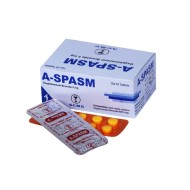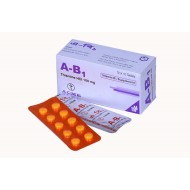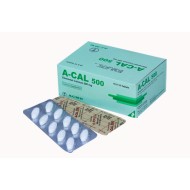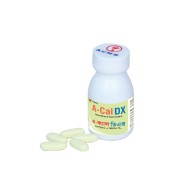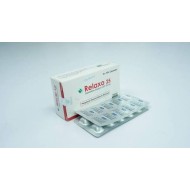
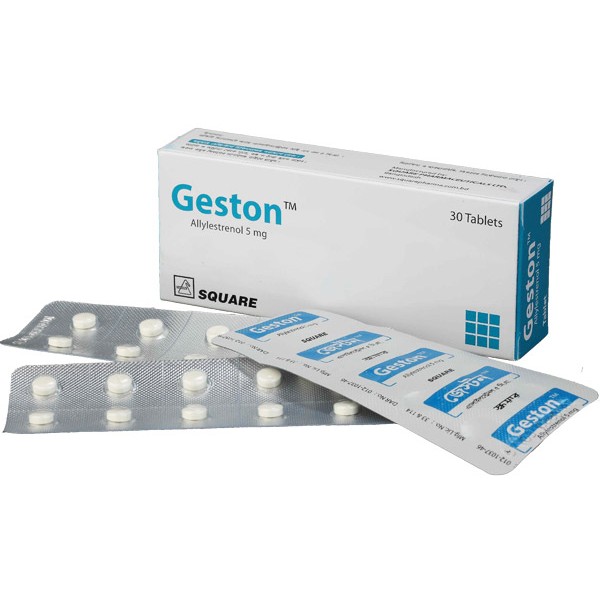
- Stock: In Stock
- Brand: Square Pharmaceuticals
- Product ID: Allylestrenol
🔒 100% Secure Payment | bKash | Nagad | SSLCommerz | COD
⭐ Become a FREE Member: 7% Extra Savings • Free Delivery • Refill Reminders • Priority Support
| Generic Name | Allylestrenol |
|---|---|
| Strength | 5 mg |
| Dosage Form | Tablet |
| Manufacturer | Square Pharmaceuticals PLC |
| Therapeutic Class | Female Sex Hormones |
| Pack Size | 5 × 10 tablets |
Overview
Geston 5 mg Tablet (Allylestrenol) is a synthetic progestogen used in obstetric practice for the maintenance of pregnancy in at-risk conditions. Allylestrenol is a pure progestogen with no androgenic or oestrogenic activity, which makes it particularly suitable during pregnancy. It acts by supporting the corpus luteum, increasing progesterone secretion, improving uterine blood flow, and reducing myometrial excitability. Geston is indicated for threatened abortion, habitual abortion (recurrent pregnancy loss), intrauterine growth restriction (IUGR), and threatened premature delivery.
Dosage and Administration
Threatened abortion: 1 tablet (5 mg) three times daily until symptoms resolve. Habitual abortion (recurrent miscarriage): 1–2 tablets daily from the time pregnancy is confirmed, continuing throughout the first trimester or as directed by the physician. IUGR (intrauterine growth restriction): 1 tablet three times daily for at least 2 months. Threatened premature delivery: Higher doses may be required under specialist supervision. Tablets should be taken with or without food. Do not discontinue abruptly — taper the dose under physician guidance.
Interaction
Rifampicin, phenytoin, carbamazepine, and other hepatic enzyme inducers may reduce the efficacy of allylestrenol by increasing its metabolism. Avoid concurrent use of drugs that may compromise liver function. No significant interaction with common pregnancy medications has been reported at therapeutic doses.
Contraindications
Geston is contraindicated in patients with known or suspected breast cancer or oestrogen/progesterone-dependent tumours, severe liver disease or hepatic dysfunction, undiagnosed vaginal bleeding, toxaemia of pregnancy (severe pre-eclampsia), and known hypersensitivity to allylestrenol or any component. Should not be used for diagnostic tests for pregnancy.
Side Effects
Geston is generally well tolerated. Reported adverse effects include nausea, vomiting, and epigastric discomfort, particularly in early pregnancy. Weight gain, fluid retention, and breast tenderness may occur. Cholestatic jaundice has been reported rarely. If any sign of hepatic dysfunction occurs, discontinue immediately and seek medical attention.
Pregnancy and Lactation
Geston is specifically indicated for use during pregnancy. Allylestrenol has a clean safety profile in pregnancy — unlike some older progestogens, it has no androgenic activity and does not masculinise female fetuses. Long-term follow-up studies of children exposed in utero have shown no adverse developmental effects. Use during breastfeeding should be under physician guidance as progestogens are present in breast milk.
Precautions and Warnings
Monitor liver function in patients receiving long-term therapy or those with pre-existing hepatic conditions. Diabetes mellitus may be worsened by progestogens — monitor blood glucose regularly. Do not use for conditions where progesterone therapy is not indicated. Regular obstetric monitoring (ultrasound, fetal heart rate) is recommended throughout treatment. Discontinuation should be gradual rather than abrupt.
Storage Conditions
Store in a cool, dry place below 30°C, protected from light and moisture. Keep out of reach of children.
Frequently Asked Questions
Q: How does Geston help prevent miscarriage?
A: Allylestrenol supports pregnancy by mimicking the role of natural progesterone — it reduces uterine contractions, supports the implantation site, promotes adequate uterine blood flow, and helps maintain the corpus luteum. In women with a history of recurrent miscarriage or signs of threatened abortion, supplementing progesterone activity with allylestrenol helps create a more favourable uterine environment for the developing foetus.
Q: For how long should Geston be taken during pregnancy?
A: The duration depends on the indication. For threatened abortion, treatment continues until symptoms resolve. For habitual abortion, treatment typically continues through the first trimester (12–14 weeks). For IUGR, at least 2 months of treatment may be recommended. Your obstetrician will advise on the appropriate duration based on your specific condition and pregnancy progress.