- Stock: Out Of Stock
- Brand: Square Pharmaceuticals
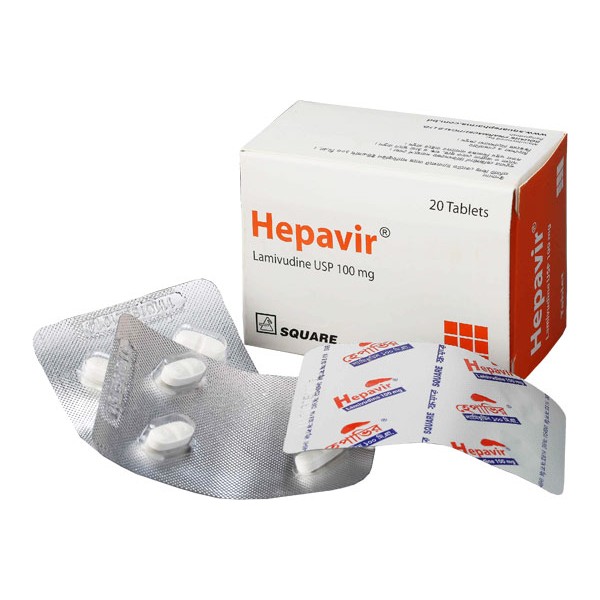
- Product ID: Lamivudine [For Chronic Hepatitis B]
🔒 100% Secure Payment | bKash | Nagad | SSLCommerz | COD
⭐ Become a FREE Member: 7% Extra Savings • Free Delivery • Refill Reminders • Priority Support
This Item is for pre order
| Generic Name | Lamivudine [For Chronic Hepatitis B] |
|---|---|
| Strength | 100 mg |
| Dosage Form | Tablet |
| Manufacturer | Square Pharmaceuticals PLC |
| Therapeutic Class | Hepatic viral infections (Hepatitis B) |
| Pack Size | 5 x 4 (20's) |
Overview
Hepavir Tablet contains Lamivudine 100 mg, a synthetic nucleoside analogue antiviral agent indicated specifically for the treatment of chronic hepatitis B infection. Lamivudine is phosphorylated intracellularly to its active triphosphate form, which is incorporated into viral DNA by hepatitis B virus (HBV) polymerase, resulting in chain termination and suppression of viral replication. Lamivudine triphosphate also inhibits the RNA- and DNA-dependent DNA polymerase activities of HIV-1 reverse transcriptase, though the 100 mg formulation is intended for hepatitis B treatment only. Hepavir is indicated for chronic hepatitis B associated with evidence of HBV replication and active liver inflammation.
Dosage and Administration
The recommended oral dose for the treatment of chronic hepatitis B in adults is 100 mg once daily. Dose adjustment is required in patients with renal impairment:
CrCl ≥50 ml/min: 100 mg once daily | CrCl 30–49 ml/min: 100 mg first dose, then 50 mg once daily | CrCl 15–29 ml/min: 100 mg first dose, then 25 mg once daily | CrCl 5–14 ml/min: 35 mg first dose, then 15 mg once daily | CrCl <5 ml/min: 35 mg first dose, then 10 mg once daily
Safety and efficacy in children have not been established. Patients should be assessed by a physician experienced in the management of chronic hepatitis B before and during treatment.
Interaction
Trimethoprim 160 mg / Sulfamethoxazole 800 mg once daily has been shown to increase Lamivudine exposure (AUC). The effect of higher doses of trimethoprim/sulfamethoxazole on Lamivudine pharmacokinetics has not been investigated. Patients should inform their physician of all concomitant medications.
Contraindications
Hepavir is contraindicated in patients with known hypersensitivity to Lamivudine or any other component of the formulation.
Side Effects
Serious adverse events include lactic acidosis and severe hepatomegaly with steatosis, post-treatment exacerbations of hepatitis B, pancreatitis, and emergence of viral mutants with reduced drug susceptibility. Common adverse effects include malaise, fatigue, fever, ENT infections, sore throat, nausea, vomiting, abdominal discomfort, diarrhoea, myalgia, arthralgia, headache, and skin rashes. Discontinue immediately if signs of lactic acidosis develop.
Pregnancy and Lactation
There are no adequate and well-controlled studies in pregnant women. Hepavir should be used during pregnancy only if the potential benefits outweigh the risks. Although it is not known whether Lamivudine is excreted in human milk, breastfeeding should be avoided due to the potential for adverse effects in nursing infants.
Precautions and Warnings
Patients should be evaluated by a physician experienced in managing chronic hepatitis B before and throughout treatment. Monitor for signs of lactic acidosis and hepatomegaly with steatosis. Post-treatment exacerbations of hepatitis B can occur on discontinuation and should be monitored closely. Dose adjustment is required based on renal function (creatinine clearance). Safety and efficacy in children have not been established.
Storage Conditions
Keep below 30°C, away from light and moisture. Keep out of the reach of children.
Frequently Asked Questions
Q: What is Hepavir 100 mg used for?
Hepavir 100 mg (Lamivudine) is used for the treatment of chronic hepatitis B infection in adults with evidence of hepatitis B virus replication and active liver inflammation. It works by blocking HBV polymerase, preventing viral DNA synthesis and suppressing hepatitis B viral replication.
Q: Does Hepavir require dose adjustment in kidney disease?
Yes. Lamivudine is primarily cleared by the kidneys, so patients with reduced kidney function (creatinine clearance below 50 ml/min) require dose reduction. The exact dose depends on the degree of renal impairment and must be determined by a physician based on creatinine clearance measurements.