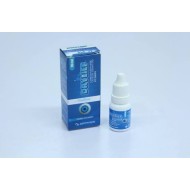

- Stock: Out Of Stock
- Brand: Square Pharmaceuticals
- Product ID: Lamotrigine
🔒 100% Secure Payment | bKash | Nagad | SSLCommerz | COD
⭐ Become a FREE Member: 7% Extra Savings • Free Delivery • Refill Reminders • Priority Support
This Item is for pre order
| Generic Name | Lamotrigine |
|---|---|
| Strength | 50 mg |
| Dosage Form | Tablet |
| Manufacturer | Square Pharmaceuticals PLC |
| Therapeutic Class | Primary anti-epileptic drugs |
| Pack Size | 2×10 (20 tablets) |
Overview
Lamicet 50 mg Tablet contains Lamotrigine, a phenyltriazine antiepileptic agent manufactured by Square Pharmaceuticals PLC. It is used to treat certain types of epilepsy and bipolar disorder. Lamicet controls epileptic seizures by inhibiting voltage-sensitive sodium channels, stabilizing neuronal membranes, and consequently inhibiting presynaptic excitatory neurotransmitter (e.g., glutamate and aspartate) release.
Lamicet is indicated as adjunctive therapy for partial-onset seizures, primary generalized tonic-clonic seizures, and generalized seizures of Lennox-Gastaut syndrome in patients aged 2 years and older. It is also used as monotherapy for epilepsy in patients aged 16 years and older, and for maintenance treatment of bipolar disorder in adults aged 18 years and older.
Dosage and Administration
Dosage must be carefully titrated based on concurrent medications and the patient's response. The following are standard escalation regimens:
Epilepsy (patients older than 12 years):
- Weeks 1 & 2: 25 mg/day (without enzyme inducers or valproate); 25 mg every other day (with valproate); 50 mg/day (with enzyme inducers without valproate)
- Weeks 3 & 4: 50 mg/day; 25 mg/day (with valproate); 100 mg/day in 2 divided doses (with enzyme inducers)
- Maintenance: 225–375 mg/day; 100–200 mg/day (with valproate); 300–500 mg/day (with enzyme inducers)
Epilepsy (patients 2–12 years): Weight-based dosing; 0.3–0.6 mg/kg/day initially, titrated to maintenance of 4.5–7.5 mg/kg/day (without enzyme inducers). Refer to prescribing information for full weight-based tables.
Bipolar Disorder (adults): Begin at 25 mg/day and titrate gradually over 7 weeks to a target of 200 mg/day. Dosing is adjusted based on concurrent medications including valproate and enzyme-inducing drugs.
Interaction
Valproate increases Lamotrigine plasma concentrations more than 2-fold, necessitating dose reduction. Enzyme-inducing antiepileptics (carbamazepine, phenytoin, phenobarbital, primidone) and rifampin decrease Lamotrigine concentrations by approximately 40%. Estrogen-containing oral contraceptives decrease Lamotrigine concentrations by approximately 50%. Protease inhibitors lopinavir/ritonavir and atazanavir/ritonavir decrease Lamotrigine exposure by approximately 50% and 32%, respectively. Dose adjustments are required when adding or withdrawing any of these interacting agents.
Contraindications
Lamicet is contraindicated in patients with known hypersensitivity to Lamotrigine or any component of the formulation. Patients who have experienced serious rashes (including Stevens-Johnson syndrome or toxic epidermal necrolysis) associated with prior Lamotrigine use should not be re-challenged.
Side Effects
Adults: Dizziness, headache, diplopia (double vision), ataxia, nausea, blurred vision, somnolence, pharyngitis, and skin rash.
Children: Vomiting, diarrhea, infection, fever, abdominal pain, and tremor. Serious skin reactions and blood dyscrasias (neutropenia, thrombocytopenia, pancytopenia) may also occur.
Pregnancy and Lactation
Lamotrigine is classified as Pregnancy Category C. Animal studies have shown adverse effects on the fetus, and there are no adequate well-controlled studies in pregnant women. Lamotrigine is excreted in human milk. Given the potential for serious adverse reactions in nursing infants, a decision should be made whether to discontinue breastfeeding or discontinue the drug, taking into account the importance of the drug to the mother. Women of childbearing potential should be counseled about the risks.
Precautions and Warnings
Discontinue Lamicet at the first sign of rash, as serious and potentially life-threatening skin reactions (Stevens-Johnson syndrome, toxic epidermal necrolysis) have been reported. Blood dyscrasias including neutropenia, thrombocytopenia, and pancytopenia may occur; monitor for signs of anemia, unexpected infection, or unusual bleeding. Antiepileptic drugs may increase the risk of suicidal behavior and ideation; monitor patients closely for mood changes. Aseptic meningitis has been reported; monitor for signs and symptoms of meningitis. Dose titration must follow a gradual schedule to minimize adverse effects. Abrupt withdrawal may precipitate seizures and should be avoided by tapering the dose over at least 2 weeks.
Storage Conditions
Store below 25°C in a dry place, protected from light. Keep out of reach of children.
Frequently Asked Questions
Q: What is Lamicet 50 mg used for?
A: Lamicet 50 mg is used as an antiepileptic to control partial-onset seizures, primary generalized tonic-clonic seizures, and seizures associated with Lennox-Gastaut syndrome. It is also used for the maintenance treatment of bipolar disorder in adults.
Q: Why must Lamicet be started at a low dose and gradually increased?
A: Rapid dose escalation significantly increases the risk of serious skin reactions such as Stevens-Johnson syndrome. Gradual titration as per the prescribed schedule minimizes this risk and helps identify the optimal therapeutic dose for each patient.