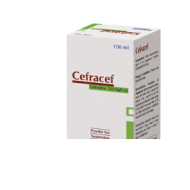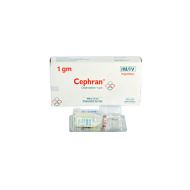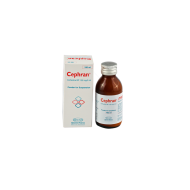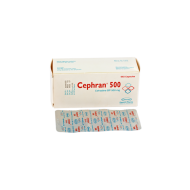
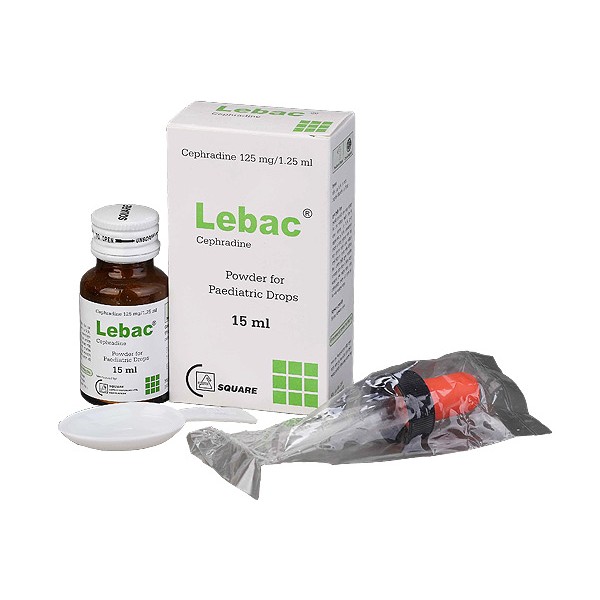
- Stock: Out Of Stock
- Brand: Square Pharmaceuticals
- Product ID: Cephradine
🔒 100% Secure Payment | bKash | Nagad | SSLCommerz | COD
⭐ Become a FREE Member: 7% Extra Savings • Free Delivery • Refill Reminders • Priority Support
This Item is for pre order
| Generic Name | Cephradine |
|---|---|
| Strength | 125 mg/1.25 ml |
| Dosage Form | Pediatric Drops |
| Manufacturer | Square Pharmaceuticals PLC |
| Therapeutic Class | First generation cephalosporins |
| Pack Size | 15 ml bottle |
Overview
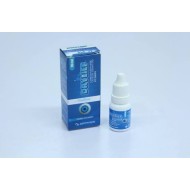
Lebac Pediatric Drops 125 mg/1.25 ml is a concentrated oral drop formulation of Cephradine, a first-generation cephalosporin antibiotic manufactured by Square Pharmaceuticals PLC. Each 1.25 ml delivers 125 mg of Cephradine, providing a highly concentrated dose in a small volume ideal for infants and young children. Cephradine acts bactericidally by inhibiting bacterial cell wall synthesis, and is effective against a broad range of Gram-positive and Gram-negative organisms.
Lebac Pediatric Drops are indicated for respiratory tract infections (sinusitis, pharyngitis, tonsillitis, otitis media), urinary tract infections, and skin and soft tissue infections in infants and young children caused by susceptible bacteria.
Dosage and Administration
Infants and children: The usual dose is 25–50 mg/kg/day given in 2–4 equally divided doses. For otitis media, the recommended dose is 75–100 mg/kg/day in divided doses every 6–12 hours. The correct dose should be measured carefully using the supplied dropper and administered directly into the mouth or mixed with a small amount of liquid. Paediatric dosage should not exceed recommended adult doses regardless of weight or severity of infection.
Treatment should continue for at least 2–3 days after fever and other symptoms resolve. Streptococcal infections require a minimum of 10 days of therapy.
Interaction
Concurrent use with nephrotoxic agents (aminoglycosides) or loop diuretics (furosemide, ethacrynic acid) may increase risk of renal toxicity. Probenecid may increase plasma Cephradine levels. Cephradine can interfere with Benedict's or Fehling's urine glucose tests, producing false-positive results; enzyme-based tests are unaffected.
Contraindications
Contraindicated in patients with known or suspected hypersensitivity to cephalosporins. Use with caution in children with a history of penicillin allergy due to potential cross-reactivity between beta-lactam antibiotics.
Side Effects
Gastrointestinal effects (diarrhea, vomiting, abdominal discomfort) are most common. Skin rashes and hypersensitivity reactions may occur. Rare but serious effects include blood dyscrasias, anaphylaxis, and hepatic or renal disturbances. Candida overgrowth may develop during prolonged therapy.
Pregnancy and Lactation
This formulation is intended for paediatric use. Cephradine is excreted in breast milk; nursing mothers should use with caution under physician guidance.
Precautions and Warnings
Use the supplied measuring dropper to ensure accurate dosing. Prolonged antibiotic use may result in superinfection with resistant organisms. Dose adjustment may be needed in children with renal impairment. Cephalosporins may cause a positive Coombs' test in neonates whose mothers received cephalosporins before labour. Dispense only on prescription of a registered physician.
Storage Conditions
Store in a dry place, away from light and heat. Keep out of reach of children. Do not use after the expiry date.
Frequently Asked Questions
Q: How is Lebac Pediatric Drops different from Lebac suspension?
A: Lebac Pediatric Drops contain a more concentrated formulation (125 mg/1.25 ml versus 125 mg/5 ml in the suspension), delivering the same dose in a much smaller volume. This is particularly useful for infants who can only take very small volumes of liquid medicine.
Q: Can Lebac Pediatric Drops be mixed with food or milk?
A: Yes, the drops can be mixed with a small amount of liquid or food to ease administration. However, always ensure the child receives the full measured dose and consult the physician or pharmacist for specific guidance.