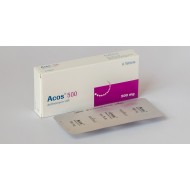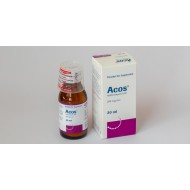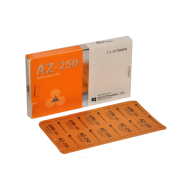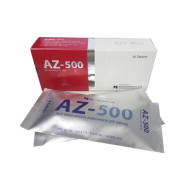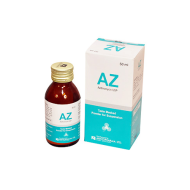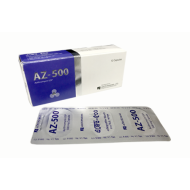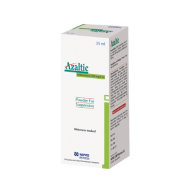
- Stock: Pre-Order
- Brand: Aristopharma
- Product ID: Azithromycin
🔒 100% Secure Payment | bKash | Nagad | SSLCommerz | COD
⭐ Become a FREE Member: 7% Extra Savings • Free Delivery • Refill Reminders • Priority Support
This Item is for pre order
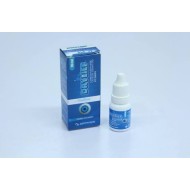
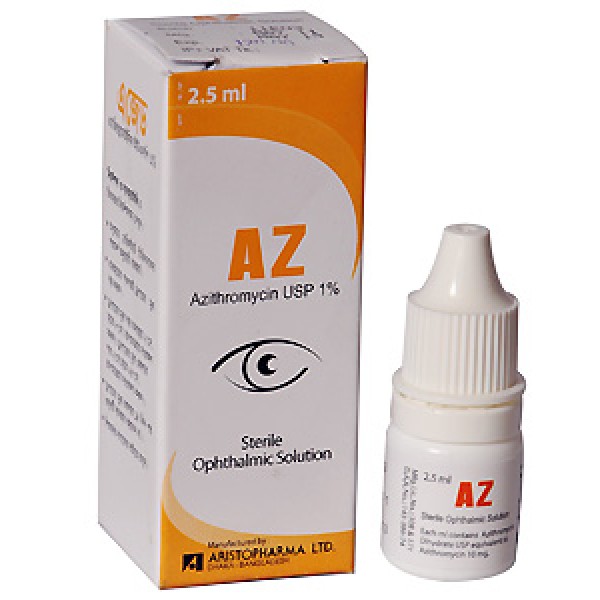
AZ 2.5ml Ophthalmic Solution (Azithromycin 1% Eye Drop) — Clinical Overview
| Attribute | Details |
|---|---|
| Brand Name | AZ |
| Generic Name | Azithromycin 1% w/v |
| Dosage Form | Sterile Ophthalmic Solution (Eye Drop) |
| Volume | 2.5 mL |
| Drug Class | Macrolide Antibiotic (Ophthalmic) |
| Manufacturer | ACI Limited, Bangladesh |
| Route of Administration | Topical Ophthalmic |
What Is AZ Ophthalmic Solution?
AZ 2.5ml Ophthalmic Solution contains azithromycin 1% in a sterile aqueous solution for topical use in the eyes, manufactured by ACI Limited, Bangladesh. It is specifically formulated for the treatment of bacterial conjunctivitis and trachoma — two of the most common eye infections in Bangladesh and globally. The ophthalmic formulation differs from oral azithromycin in its concentration, delivery vehicle, and preservative system, designed to maintain drug stability and therapeutic concentrations on the ocular surface.
Azithromycin 1% ophthalmic solution achieves prolonged pre-corneal residence time compared to conventional antibiotic eye drops. This is partly due to the mucoadhesive properties of the formulation vehicle (DuraSite in branded formulations), which keeps the drug in contact with the conjunctival surface longer, allowing twice-daily dosing rather than the four-to-six times daily required by many other ophthalmic antibiotics. ACI's AZ ophthalmic delivers azithromycin directly to the site of infection, achieving therapeutic concentrations in conjunctival tissue while minimising systemic absorption.
Indications — Bacterial Conjunctivitis
Bacterial conjunctivitis is one of the most prevalent eye conditions in Bangladesh, presenting with red eyes, purulent discharge, crusting of eyelids, and foreign body sensation. Common causative organisms: Staphylococcus aureus (most common in adults), Streptococcus pneumoniae, Haemophilus influenzae (more common in children), Moraxella catarrhalis, and Neisseria gonorrhoeae (consider in neonates and sexually active adults). AZ ophthalmic solution covers all these organisms effectively. Most cases of bacterial conjunctivitis are self-limiting within 7–10 days, but topical antibiotic therapy shortens the duration of symptoms, reduces infectious spread, and is required for contact lens wearers, immunocompromised patients, neonates, and severe cases.
Dosing for bacterial conjunctivitis: 1 drop in the affected eye(s) twice daily for 2 days, then once daily for 5 more days (total 7-day course). The extended once-daily phase is possible due to azithromycin's prolonged residence in ocular tissues.
Trachoma — A Priority Indication in Bangladesh
Trachoma, caused by Chlamydia trachomatis serovars A–C, is a leading infectious cause of preventable blindness worldwide and remains a public health concern in rural Bangladesh. Repeated trachomatous infection leads to conjunctival scarring, trichiasis (eyelid inversion), and eventual corneal ulceration and blindness. Azithromycin is the WHO-recommended treatment for trachoma through the SAFE strategy (Surgery, Antibiotics, Facial cleanliness, Environmental improvement). For individual trachoma treatment: azithromycin 1% ophthalmic solution once daily for 2–4 weeks, or oral azithromycin 20 mg/kg single dose (which also treats concurrent chlamydial systemic infection and is preferred for mass drug administration programmes). AZ ophthalmic is a practical option for individual and household-level trachoma management in clinic settings.
Administration Instructions for Patients
Correct eye drop technique maximises efficacy and minimises systemic absorption. Step 1: wash hands thoroughly with soap and water before handling the eye drop bottle. Step 2: tilt the head back or lie down. Step 3: gently pull down the lower eyelid to create a small pocket. Step 4: hold the bottle tip-down above the eye without touching the eye or eyelid. Step 5: squeeze gently to instil one drop into the lower conjunctival sac. Step 6: close the eye gently for 1–2 minutes — do not blink forcefully or squeeze the eye shut. Step 7: apply gentle pressure to the inner corner of the eye (nasolacrimal duct occlusion) with a finger for 1–2 minutes to minimise systemic absorption. Step 8: wipe away excess solution with a clean tissue. Do not share eye drops with other family members — conjunctivitis is highly contagious and sharing drops can spread infection. Contact lens wearers should remove lenses before instilling drops and wait at least 15 minutes before reinserting.
Compared to Other Topical Antibiotics for Conjunctivitis
AZ ophthalmic offers several advantages over commonly used topical antibiotics in Bangladesh: versus chloramphenicol eye drops (widely used in Bangladesh) — azithromycin requires less frequent dosing (twice daily vs 4–6 times daily), has better coverage of Haemophilus influenzae and chlamydial organisms, and lacks chloramphenicol's rare but serious risk of aplastic anaemia with systemic absorption. Versus ciprofloxacin eye drops — comparable gram-negative coverage; azithromycin adds macrolide spectrum including Chlamydia and atypical organisms; no pseudomonal coverage in either. Versus tobramycin eye drops — azithromycin provides broader coverage including gram-positives and atypicals; tobramycin better for Pseudomonas (relevant in contact lens-associated keratitis). Versus gentamicin eye drops — azithromycin has better chlamydial coverage; less corneal toxicity with topical azithromycin in prolonged use.
Safety and Precautions
AZ ophthalmic is generally very well tolerated. Common local side effects: transient burning or stinging upon instillation (usually mild and brief); temporary blurred vision immediately after instillation (wait before driving or operating machinery). Rare: eye irritation, itching, or redness persisting beyond expected timeframe — may indicate hypersensitivity; discontinue and consult physician. Systemic absorption is minimal with topical ophthalmic use, but nasolacrimal occlusion minimises even this small amount. Do not use AZ ophthalmic if hypersensitive to azithromycin or other macrolide antibiotics. Pregnancy and breastfeeding: minimal systemic absorption makes ophthalmic azithromycin generally considered safe, but consult physician. Storage: store below 25°C; do not freeze; discard 4 weeks after opening to prevent contamination.
Frequently Asked Questions (FAQ)
Q1: How long does AZ Ophthalmic take to clear bacterial conjunctivitis?
Most patients experience significant improvement in redness and discharge within 48–72 hours of starting AZ ophthalmic treatment. Complete clinical cure typically occurs by the end of the 7-day course (2 drops daily × 2 days, then 1 drop daily × 5 days). If symptoms are not improving after 3–4 days, reassessment is needed — the infection may be viral (for which antibiotics have no effect) or caused by a resistant organism. Viral conjunctivitis (the most common cause of red eye overall) does not respond to any antibiotic eye drop.
Q2: Can AZ Ophthalmic be used for children?
Yes. Azithromycin 1% ophthalmic solution is approved for use in children aged 1 year and above. It is particularly useful for bacterial conjunctivitis in children caused by Haemophilus influenzae — a common pathogen in paediatric conjunctivitis. For neonatal conjunctivitis (ophthalmia neonatorum), which can be caused by Neisseria gonorrhoeae or Chlamydia trachomatis acquired during delivery, systemic antibiotic treatment (oral or IV) is required in addition to or instead of topical therapy — specialist neonatal guidance should be sought.
Q3: Should both eyes be treated even if only one eye is infected?
Many ophthalmologists recommend treating both eyes for bacterial conjunctivitis even when only one appears infected, as sub-clinical infection often exists in the apparently unaffected eye and cross-contamination from one eye to the other is common. Clinical judgement applies — for confirmed unilateral infection in a compliant patient, treating only the affected eye may be appropriate. Discuss with your physician.
Q4: Can I wear contact lenses while using AZ Ophthalmic?
Avoid wearing contact lenses during active bacterial conjunctivitis — wearing lenses delays healing, increases risk of corneal complications, and can harbour bacteria. Remove contact lenses before instilling AZ ophthalmic drops and wait at least 15 minutes before reinserting. Do not reinsert lenses if eyes are still red or discharging. Soft contact lenses may absorb preservatives in the eye drops; discuss with your ophthalmologist about lens type and timing.
Medical Disclaimer: This information is for healthcare professional reference and patient education only. AZ Ophthalmic Solution is a prescription ophthalmic antibiotic. Any new eye symptom — particularly with pain, photophobia, vision change, or discharge — should be evaluated by a qualified physician or ophthalmologist before self-treating.