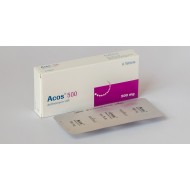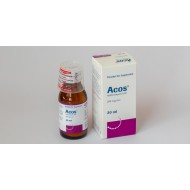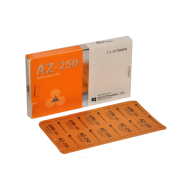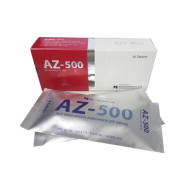
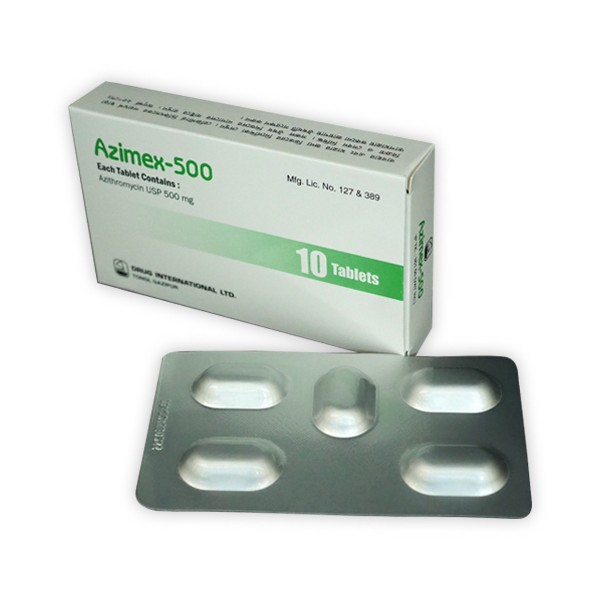
- Stock: 2-3 Days
- Brand: Drug International Limited
- Product ID: Azithromycin
🔒 100% Secure Payment | bKash | Nagad | SSLCommerz | COD
⭐ Become a FREE Member: 7% Extra Savings • Free Delivery • Refill Reminders • Priority Support
This Item is for pre order
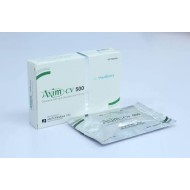
Azimex 500 Tab — Azithromycin 500mg by Square Pharmaceuticals for Short-Course Therapy
| Attribute | Details |
|---|---|
| Brand Name | Azimex 500 |
| Generic Name | Azithromycin |
| Strength | 500 mg |
| Dosage Form | Tablet |
| Drug Class | Macrolide Antibiotic (Azalide) |
| Manufacturer | Square Pharmaceuticals Ltd., Bangladesh |
| Route of Administration | Oral |
About Azimex 500 Tab
Azimex 500 Tab contains azithromycin 500 mg per tablet, manufactured by Square Pharmaceuticals Ltd., Bangladesh. This 500mg high-strength formulation enables the shortest and most adherence-friendly standard azithromycin regimens: the 3-day course (one tablet once daily for 3 days = 1500mg total) and single-dose STI therapy (two tablets = 1g). Square Pharmaceuticals' international certifications (WHO-GMP, TGA Australia, EU-GMP) and export to 40+ countries provide assurance of consistent manufacturing quality for Azimex 500. The 500mg dose provides the same total 1500mg course exposure as the 5-day 250mg regimen in just 3 days — significantly improving adherence in outpatient settings.
Evidence for the 3-Day 500mg Regimen
The clinical equivalence of the 3-day azithromycin 500mg regimen to the 5-day 250mg regimen has been demonstrated in multiple randomised controlled trials across the main indications. For community-acquired pneumonia (CAP): a landmark meta-analysis of 14 RCTs found no significant difference in clinical cure rates, bacteriological eradication rates, or adverse event profiles between 3-day and 5-day azithromycin courses. For acute bacterial sinusitis: a 3-day 500mg course achieved equivalent symptom resolution to 10-day amoxicillin-clavulanate in a well-powered RCT. For streptococcal pharyngitis: 3-day azithromycin shows non-inferior bacteriological eradication rates compared with 10-day penicillin in penicillin-allergic patients. The pharmacokinetic basis for this equivalence is azithromycin's prolonged tissue half-life — after the last 500mg tablet on Day 3, therapeutic tissue concentrations persist for a further 5–7 days, providing approximately 8–10 days total antibacterial tissue activity from a 3-day oral course.
Sinusitis and Ear Infection Management
Acute bacterial rhinosinusitis (ABRS) and acute otitis media (AOM) are two of the most frequent bacterial infections in Bangladesh for which Azimex 500 is clinically appropriate. For ABRS: amoxicillin or amoxicillin-clavulanate is first-line; Azimex 500 for 3 days is the preferred alternative for penicillin-allergic patients (achieving sinus mucosal concentrations of 100–500 times plasma concentration due to azithromycin's tissue accumulation). For AOM: amoxicillin is first-line in children; Azimex 500 at adult dosing (500mg × 3 days) is appropriate for penicillin-allergic adults with AOM, or for adults with recurrent AOM where broader coverage (including atypical and Moraxella organisms) is desired. In both conditions, azithromycin's sustained high mucosal concentrations after dosing cessation provide excellent antibacterial tissue exposure to the affected sites.
Diabetes and Susceptibility to ENT Infections
Patients with poorly controlled diabetes mellitus have increased susceptibility to ear, nose, and throat (ENT) infections — including acute and chronic sinusitis, otitis media, and the rare but life-threatening malignant external otitis (a Pseudomonas aeruginosa infection of the external ear canal that can invade the skull base, seen almost exclusively in diabetic patients). Additionally, the hyperglycaemic environment impairs sinonasal mucociliary function, increases mucus viscosity, and promotes bacterial adherence to respiratory mucosal surfaces — all contributing to increased sinusitis frequency and severity in diabetic patients. For uncomplicated sinusitis in diabetic patients (without fever, facial swelling, or neurological symptoms suggesting complications), Azimex 500 Tab provides a convenient 3-day oral antibiotic course. Diabetic patients with severe headache, periorbital swelling, visual changes, or high fever during sinusitis must seek emergency assessment to exclude orbital or intracranial spread.
Frequently Asked Questions (FAQ)
Q1: Why is Azimex 500 preferred over Azimex 250 for many prescriptions?
Azimex 500 Tab (500mg) enables a 3-day course (3 tablets total) compared to 6 tablets over 5 days with the 250mg formulation. The 3-day regimen achieves better patient adherence — studies show 95%+ completion rates for 3-day courses versus 60–75% for 5-day courses. Since both deliver the same 1500mg total dose with equivalent clinical outcomes, the 3-day 500mg regimen has become increasingly preferred by prescribers who prioritise adherence optimisation. Patients find single-tablet, once-daily, 3-day treatment simpler to remember and easier to complete, making Azimex 500 particularly valuable for patients managing multiple conditions and medications simultaneously.
Q2: Can Azimex 500 Tab be used for dental infections?
Azithromycin has limited but specific roles in dental infection management. It is NOT a first-line agent for most dental infections (orofacial cellulitis, dental abscesses, pericoronitis) — amoxicillin or amoxicillin-clavulanate remains first-line for most odontogenic infections. However, azithromycin 500mg is an appropriate alternative for patients with penicillin allergy who have odontogenic infections caused by susceptible organisms (Streptococcus milleri group, Peptostreptococcus). Note that Fusobacterium, Bacteroides, and other anaerobic organisms common in dental abscesses may have reduced azithromycin susceptibility; metronidazole is often added for anaerobic coverage. Azithromycin 500mg combined with metronidazole has also been studied in periodontal therapy — though this is a specialist application.
Q3: Is Azimex 500 safe during breastfeeding?
Azithromycin is excreted in breast milk, but infant exposure through breastfeeding is estimated to be less than 5% of the maternal dose on a weight-adjusted basis — considered low. The 3-day course duration further limits total infant exposure. Azithromycin is generally considered acceptable during breastfeeding by major drug safety references including LactMed (US National Library of Medicine) and the British National Formulary. Infants exposed through breast milk may occasionally show mild GI effects (loose stools). If concerns exist, feeding can be timed away from peak maternal drug concentration (2–3 hours post-dose). Discuss with your physician if you are breastfeeding and azithromycin is prescribed.
Q4: What should I do if Azimex 500 is causing stomach upset?
Gastrointestinal side effects (nausea, abdominal cramping, loose stools) are the most common adverse effects of azithromycin, occurring in approximately 5–15% of patients at the 500mg dose. Management strategies: take Azimex 500 with a light meal or snack — food does not significantly reduce tablet absorption and substantially reduces GI irritation; take the dose at the same time each day with a full glass of water; avoid taking on a completely empty stomach. If GI side effects are severe or persistent (persistent vomiting, severe diarrhoea), contact your physician — severe diarrhoea during or after antibiotic therapy may rarely represent Clostridioides difficile colitis, which requires specific management. Mild diarrhoea that resolves after the 3-day course is completed does not usually require additional treatment.
Medical Disclaimer: Azimex 500 Tab is a prescription antibiotic from Square Pharmaceuticals Ltd. Complete the full 3-day course even if symptoms improve. Do not use for viral infections. If symptoms do not improve after 48–72 hours, seek medical reassessment to exclude complications or resistant organisms.