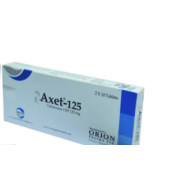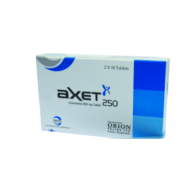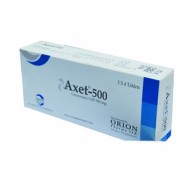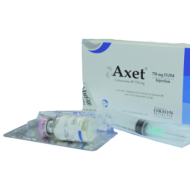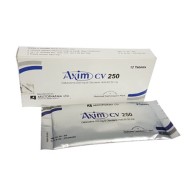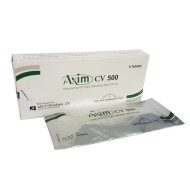
- Stock: Out Of Stock
- Brand: Unimed Unihealth MFG. Ltd.
- Product ID: Cefuroxime Axetil
Available Options
🔒 100% Secure Payment | bKash | Nagad | SSLCommerz | COD
⭐ Become a FREE Member: 7% Extra Savings • Free Delivery • Refill Reminders • Priority Support
This Item is for pre order
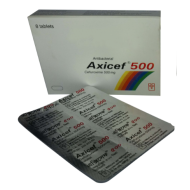
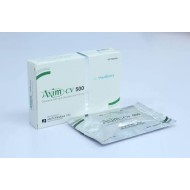
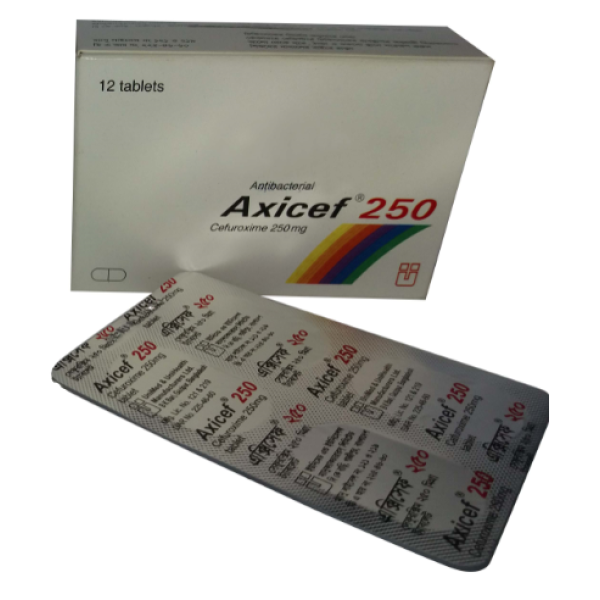
Axicef 250 mg Tablet (Cefuroxime Axetil) — Clinical Overview
| Brand Name | Axicef 250 mg Tab |
|---|---|
| Generic Name | Cefuroxime Axetil |
| Manufacturer | ACI Limited, Bangladesh |
| Strength | 250 mg per tablet |
| Dosage Form | Film-coated Tablet |
| Pack Size | 10 tablets per strip |
| Drug Class | Second-generation Cephalosporin (Beta-lactam Antibiotic) |
| Prescription Status | Prescription Only Medicine (POM) |
What is Axicef 250?
Axicef 250 is an oral antibiotic by ACI Limited, Bangladesh. Its active ingredient, cefuroxime axetil, is a second-generation cephalosporin and an ester prodrug — hydrolyzed in the intestinal mucosa to release active cefuroxime. This design significantly improves oral bioavailability. Axicef 250 mg tablets treat bacterial infections of the respiratory tract, urinary tract, skin, and soft tissues in adults and children.
How Does Cefuroxime Axetil Work?
Cefuroxime kills bacteria by inhibiting bacterial cell wall synthesis. It binds to penicillin-binding proteins (PBPs), blocking the cross-linking of peptidoglycan strands. Without a functional cell wall, bacteria lyse and die. Cefuroxime is a time-dependent antibiotic — its killing efficacy depends on the duration that free drug concentrations remain above the minimum inhibitory concentration (MIC), which is why twice-daily dosing maintains adequate tissue levels throughout the day.
Compared to first-generation cephalosporins, cefuroxime offers enhanced beta-lactamase stability and broader Gram-negative coverage, making it effective against key respiratory pathogens like H. influenzae and M. catarrhalis that produce beta-lactamases.
Indications — What is Axicef Used For?
Axicef 250 mg is indicated for mild to moderate infections caused by susceptible organisms:
- Respiratory tract infections: Pharyngitis, tonsillitis, acute sinusitis, acute exacerbations of chronic bronchitis (AECB), and mild community-acquired pneumonia (CAP)
- Otitis media: Acute bacterial middle ear infections
- Urinary tract infections: Uncomplicated cystitis caused by susceptible E. coli or Klebsiella
- Skin and soft tissue infections: Impetigo, cellulitis, wound infections due to MSSA or Streptococcus
- Early Lyme disease: Erythema migrans due to Borrelia burgdorferi
Cefuroxime is not active against MRSA, Pseudomonas aeruginosa, Enterococcus, or atypical respiratory pathogens (Mycoplasma, Chlamydophila, Legionella).
Diabetes and Respiratory Infections — Clinical Relevance
Patients with diabetes mellitus have an elevated risk of respiratory, urinary, and skin infections due to impaired neutrophil chemotaxis, reduced opsonisation, and microvascular insufficiency. Cefuroxime axetil is clinically relevant for diabetic patients in several contexts:
- Community-acquired pneumonia (CAP): Diabetes increases severity risk. Cefuroxime is a guideline option for outpatient CAP caused by susceptible S. pneumoniae, H. influenzae, or S. aureus (MSSA).
- Diabetic foot infections (DFIs): Mild-to-moderate non-limb-threatening DFIs with susceptible Gram-positive cocci may be treated with oral cefuroxime axetil per IWGDF guidelines.
- Stress hyperglycaemia: Active infection raises blood glucose via cortisol and adrenaline release. Monitor glucose more frequently during the antibiotic course.
- Renal function: Diabetic nephropathy may require dose adjustment — see pharmacokinetics below.
Pharmacokinetics — Take With Food
Food dramatically improves absorption: oral bioavailability increases from ~37% (fasted) to ~52% (fed state), an increase of roughly 40%. Always take Axicef with a meal. Key parameters:
- Tmax: 2–3 hours post-dose
- Protein binding: 33–50%
- Distribution: Achieves therapeutic concentrations in bronchial secretions, middle ear fluid, sinus mucosa, and skin
- Elimination: Renal excretion via tubular secretion; half-life ~1.2–1.7 hours (normal renal function)
- Renal impairment: Dose adjustment required when CrCl <30 mL/min — consult a nephrologist in advanced diabetic nephropathy
Dosage and Administration
Follow your doctor's prescription precisely. Standard adult dosing:
- Pharyngitis / tonsillitis: 250 mg twice daily × 10 days
- Sinusitis / AECB: 250–500 mg twice daily × 5–10 days
- Uncomplicated UTI: 250 mg twice daily × 7 days
- Skin infections / otitis media: 250 mg twice daily × 7–14 days
- Early Lyme disease: 500 mg twice daily × 20 days
Take with food. Swallow tablets whole — crushing causes intense bitterness and reduces absorption. Complete the full course to prevent resistance and relapse.
Drug Interactions
- Probenecid: Inhibits renal secretion of cefuroxime — increases plasma levels; dose reduction may be needed
- Antacids / H2-blockers / PPIs: Reduce gastric acid, decreasing cefuroxime axetil absorption by up to 30%; take cefuroxime with meals to compensate
- Warfarin: Antibiotic-induced gut flora disruption reduces Vitamin K synthesis; monitor INR
- Oral contraceptives: Reduced enterohepatic recycling of oestrogen — use additional contraception
- Nephrotoxic agents: NSAIDs, aminoglycosides, ciclosporin — increased nephrotoxicity risk; monitor renal function
- Live bacterial vaccines: Antibiotics may impair the efficacy of live typhoid or cholera vaccines
Side Effects
- Common: Diarrhoea, nausea, vomiting, abdominal discomfort, headache, rash
- Uncommon: Raised liver enzymes (ALT/AST), eosinophilia, positive Coombs' test
- Rare: Anaphylaxis, Stevens-Johnson syndrome, Clostridioides difficile colitis (pseudomembranous colitis)
Stop the medicine and seek urgent medical attention if you develop difficulty breathing, widespread blistering rash, or severe watery diarrhoea with blood or mucus.
Contraindications
- Known hypersensitivity to cefuroxime, other cephalosporins, or any excipient
- History of immediate anaphylaxis to penicillins (cross-reactivity ~1–2%)
Use with caution in renal impairment, history of GI disease, and pregnancy/breastfeeding (use only when clearly necessary under medical supervision).
Frequently Asked Questions (FAQ)
Should I take Axicef 250 with food or on an empty stomach?
Always take Axicef 250 with food. Food increases the bioavailability of cefuroxime axetil by approximately 40% — you absorb significantly more active drug when you take it with a meal. Swallow tablets whole; do not crush or chew them.
Can I stop taking Axicef 250 when I feel better?
No — complete the full prescribed course even when symptoms improve. Stopping early risks leaving residual bacteria that can cause relapse with greater antibiotic resistance. Most courses last 7–14 days. If you feel no improvement after 48–72 hours, consult your doctor.
Is Axicef 250 safe for patients with diabetes?
Yes, cefuroxime axetil does not directly affect blood glucose. However, infections trigger stress hormones that raise blood sugar, so check glucose more often during treatment. Patients with significant diabetic kidney disease (CrCl <30 mL/min) require dose adjustment — discuss with your doctor.
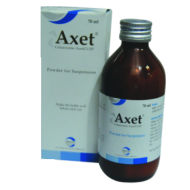
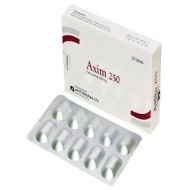
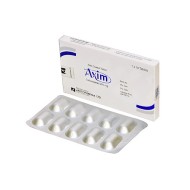
What is the difference between Axicef, Axim, and Axet — all ACI cefuroxime brands?
Axicef, Axim, and Axet are all ACI Limited brand names for cefuroxime axetil oral tablets containing the same active ingredient at similar strengths (250 mg and 500 mg). They are therapeutically equivalent when prescribed generically. Axim also has injectable cefuroxime sodium formulations, whereas Axicef is available as oral tablets and suspension only.