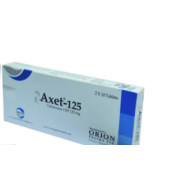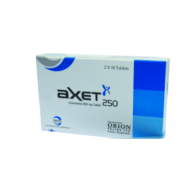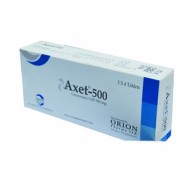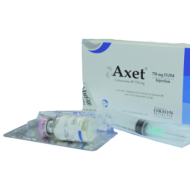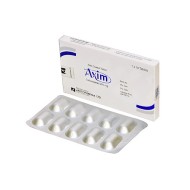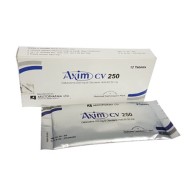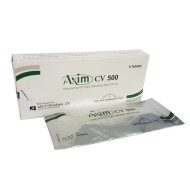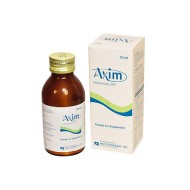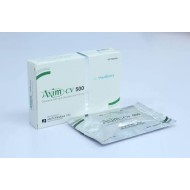

- Stock: 2-3 Days
- Brand: Unimed Unihealth MFG. Ltd.
- Product ID: Cefuroxime Axetil
🔒 100% Secure Payment | bKash | Nagad | SSLCommerz | COD
⭐ Become a FREE Member: 7% Extra Savings • Free Delivery • Refill Reminders • Priority Support
This Item is for pre order
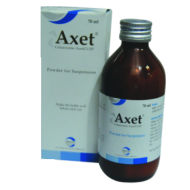
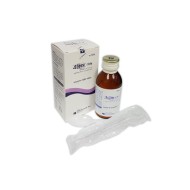
Axicef 70 ml Suspension (Cefuroxime Axetil 125 mg/5 ml) — Clinical Overview
| Brand Name | Axicef 70 ml Suspension |
|---|---|
| Generic Name | Cefuroxime Axetil |
| Manufacturer | ACI Limited, Bangladesh |
| Concentration | 125 mg per 5 ml (after reconstitution) |
| Dosage Form | Powder for Oral Suspension |
| Bottle Volume | 70 ml (after reconstitution) |
| Drug Class | Second-generation Cephalosporin (Beta-lactam Antibiotic) |
| Primary Use | Paediatric bacterial infections |
| Prescription Status | Prescription Only Medicine (POM) |
What is Axicef Suspension?
Axicef Oral Suspension provides cefuroxime axetil at a concentration of 125 mg per 5 ml, supplied as a dry powder that requires reconstitution with water before use. It is manufactured by ACI Limited, Bangladesh, and is primarily prescribed for paediatric patients who cannot swallow tablets. The 70 ml bottle delivers the complete course volume for most childhood bacterial infections at standard doses.
Cefuroxime axetil is a second-generation cephalosporin prodrug. After oral ingestion, it is hydrolyzed in the intestinal mucosa to release active cefuroxime, which then kills bacteria by inhibiting cell wall synthesis.
Important note on bioavailability: Cefuroxime axetil oral suspension delivers lower bioavailability than the equivalent tablet dose and is not bioequivalent to the tablet formulation. They cannot be substituted on a mg-for-mg basis. Prescriptions should specify the formulation.
How Does Cefuroxime Axetil Work?
Cefuroxime kills bacteria by binding to penicillin-binding proteins (PBPs) — enzymes required for bacterial cell wall cross-linking. Disrupting PBP activity prevents new cell wall synthesis, causing the bacterial cell to lyse and die. Cefuroxime exhibits stability against many beta-lactamases produced by common childhood pathogens, including Haemophilus influenzae and Moraxella catarrhalis, making it effective even when these organisms are penicillin-resistant.
Indications — What is Axicef Suspension Used For in Children?
- Acute otitis media (middle ear infection): One of the most common paediatric indications; cefuroxime covers the major causative organisms (S. pneumoniae, H. influenzae, M. catarrhalis)
- Pharyngitis and tonsillitis: Due to Group A Streptococcus (S. pyogenes) — a 10-day course is required for streptococcal pharyngitis to prevent rheumatic fever
- Acute bacterial sinusitis
- Uncomplicated lower urinary tract infections in children
- Skin and soft tissue infections: Impetigo, infected eczema, minor wound infections caused by susceptible staphylococci or streptococci
Diabetes in Children — Relevance of Cefuroxime Suspension
Children with Type 1 diabetes mellitus have impaired immune responses — including reduced neutrophil function and complement activity — making them more vulnerable to bacterial infections, particularly ear infections, sinusitis, and UTIs. For parents managing a diabetic child:
- Acute infection causes stress-hormone release (cortisol, glucagon) that significantly raises blood glucose — sometimes even before symptoms are obvious. Monitor blood sugar more frequently at the first sign of infection.
- Cefuroxime axetil does not contain glucose and does not directly affect blood sugar levels. However, check the suspension's inactive ingredient list — some suspensions contain sucrose as a flavouring. Consult your pharmacist about the specific formulation's sugar content if your child's glucose management is tight.
- Diabetic children on insulin pumps or on insulin regimens may need dose adjustments during infection-related hyperglycaemia — consult your paediatric endocrinologist.
Reconstitution Instructions
Axicef suspension must be prepared before first use:
- Tap the bottle to loosen the powder
- Add approximately half the required volume of cooled boiled water (check label for exact volume — approximately 37 ml for a 70 ml bottle)
- Shake vigorously until powder is fully dissolved
- Add the remaining water to the graduation mark
- Shake again until uniform suspension is obtained
- Label the bottle with the date of reconstitution
After reconstitution: Store in a refrigerator (2–8°C). Do not freeze. Shake well before each dose. Use within 10 days of reconstitution; discard any remaining suspension after this period.
Paediatric Dosage Guide
Always follow the prescribing doctor's instructions. General guidelines (doses are given twice daily):
- Standard dose: 10 mg/kg twice daily (maximum 125 mg twice daily)
- Otitis media: 15 mg/kg twice daily (maximum 250 mg twice daily = 10 ml twice daily)
- Pharyngitis / tonsillitis: 10 mg/kg twice daily for 10 days (maximum 125 mg twice daily)
- UTI / skin infections: 10 mg/kg twice daily × 7–14 days
Take with food or milk to maximise absorption and reduce stomach upset. Measure doses with the supplied dosing syringe or spoon — do not estimate by eye.
Drug Interactions and Safety
- Probenecid: Increases cefuroxime plasma levels (uncommon in paediatric practice)
- Antacids / H2-blockers: May reduce absorption — avoid co-administration
- Warfarin: Not typically applicable in children, but note if used for cardiac conditions
- Live vaccines (oral typhoid, BCG): Avoid live attenuated bacterial vaccines during antibiotic therapy
Side Effects
- Common: Diarrhoea, nausea, vomiting, rash. GI side effects are more common with the suspension than with tablets, likely due to the lower bioavailability and higher proportion of unabsorbed drug in the colon.
- Uncommon: Elevated liver enzymes, eosinophilia, diaper/nappy rash in infants (from altered gut flora)
- Rare: Anaphylaxis, Stevens-Johnson syndrome, Clostridioides difficile diarrhoea
Contraindications
- Hypersensitivity to cefuroxime, cephalosporins, or excipients
- History of anaphylaxis to penicillins (cross-reactivity ~1–2%)
Frequently Asked Questions (FAQ)
How do I reconstitute Axicef suspension?
Tap the bottle to loosen the powder, then add cooled boiled water in two stages — approximately half first, shake vigorously, then add the rest to the graduation mark and shake again. The exact water volume is printed on the label (approximately 37 ml for a 70 ml bottle). After mixing, store in the refrigerator (2–8°C) and use within 10 days. Always shake well before each dose.
How do I dose Axicef suspension for my child?
The standard dose is 10 mg/kg twice daily (maximum 125 mg = 5 ml twice daily). For otitis media (ear infections), 15 mg/kg twice daily is used (maximum 250 mg = 10 ml twice daily). Always follow your doctor's specific prescription. Use a measuring syringe for accuracy — do not estimate with household teaspoons. Give each dose with food or milk.
How long can I store Axicef suspension after mixing?
After reconstitution, Axicef suspension must be stored in the refrigerator (2–8°C) and used within 10 days. Write the date of mixing on the bottle. Do not freeze. Discard any remaining suspension after 10 days even if there is still medicine left — the drug degrades after this period and may be ineffective or unsafe.
Can Axicef suspension treat ear infections (otitis media) in children?
Yes, cefuroxime axetil is an effective second-line treatment for acute otitis media in children, particularly when amoxicillin has failed or when beta-lactamase-producing H. influenzae or M. catarrhalis are suspected. The dose for otitis media is higher: 15 mg/kg twice daily (maximum 250 mg twice daily) for 7–10 days. First-line treatment in Bangladesh guidelines remains amoxicillin; cefuroxime is used when first-line therapy fails or allergy exists.