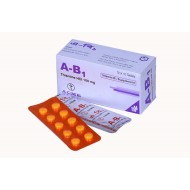
- Stock: In Stock
- Brand: Renata
- Product ID: Thyroxine Sodium
🔒 100% Secure Payment | bKash | Nagad | SSLCommerz | COD
⭐ Become a FREE Member: 7% Extra Savings • Free Delivery • Refill Reminders • Priority Support
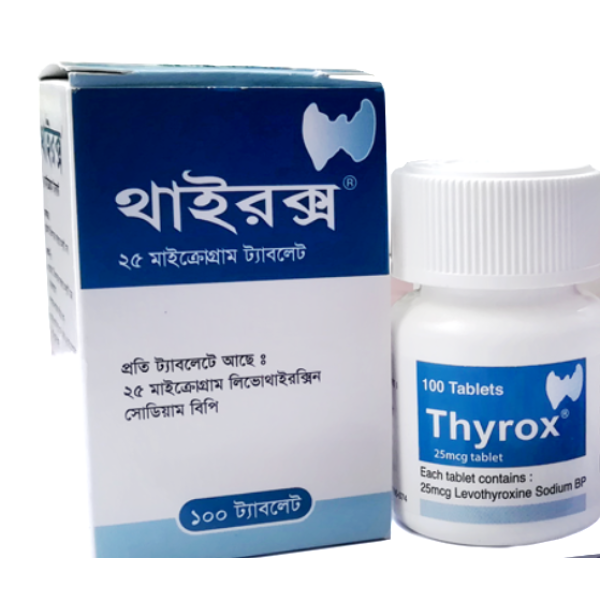
Thyrox 25mcg Tablet — Levothyroxine Sodium 25mcg by Square Pharmaceuticals for Gentle Thyroid Hormone Replacement
Attribute Details
| Brand Name | Thyrox |
| Generic Name | Levothyroxine Sodium |
| Strength | 25 mcg (0.025 mg) |
| Dosage Form | Oral Tablet |
| Pack Size | 100 tablets/strip pack |
| Drug Class | Synthetic Thyroid Hormone (T4 replacement) |
| Manufacturer | Square Pharmaceuticals Ltd., Bangladesh |
About Thyrox 25mcg Tablet
Thyrox 25mcg Tablet contains levothyroxine sodium, a synthetic form of the thyroxine (T4) hormone normally produced by the thyroid gland. The 25mcg strength is the lowest commonly available dose of levothyroxine and is most often used as a starting dose for elderly patients, patients with mild or subclinical hypothyroidism, or as a fine-tuning dose added to a higher-strength tablet to reach a patient’s exact target dose (for example, 100mcg + 25mcg = 125mcg/day). Levothyroxine must be taken consistently, on an empty stomach, at the same time every day for thyroid hormone levels to remain stable.
Hypothyroidism in Patients with Type 2 Diabetes: A Common and Often Missed Comorbidity
Hypothyroidism and type 2 diabetes mellitus frequently coexist — population studies estimate that 10–15% of people with type 2 diabetes also have some degree of thyroid dysfunction, compared to roughly 5–8% in the general adult population. Both conditions share overlapping symptoms (fatigue, weight changes, cold intolerance, and mood changes), which means hypothyroidism in a diabetic patient is sometimes mistaken for poor glycemic control or simply attributed to diabetes itself, delaying diagnosis. Untreated or undertreated hypothyroidism worsens insulin resistance and can raise LDL cholesterol, compounding cardiovascular risk that is already elevated in diabetes. Levothyroxine replacement (such as Thyrox 25mcg, used alone or combined with higher strengths) restores metabolic rate and has been shown to modestly improve insulin sensitivity once euthyroid (normal thyroid hormone) status is achieved. Diabetic patients starting levothyroxine should monitor blood glucose closely in the first 4–6 weeks, as correcting hypothyroidism can unmask or worsen hyperglycemia that was previously masked by a slowed metabolism, sometimes requiring adjustment of metformin, sulfonylurea, or insulin doses.
Why the Lowest Dose Matters: Elderly and Cardiac Patients
In elderly patients and those with known or suspected coronary artery disease — a population that overlaps heavily with long-standing type 2 diabetes — levothyroxine therapy is deliberately started at a low dose such as 25mcg/day rather than the full estimated replacement dose. This cautious approach (typically increasing by 25mcg increments every 4–6 weeks based on follow-up TSH levels) reduces the risk of inducing angina, arrhythmia, or myocardial infarction that can occur if thyroid hormone is replaced too quickly in a heart that has adapted to a slower metabolic rate. Patients with diabetes and coexisting cardiovascular disease should never adjust their levothyroxine dose without physician guidance and follow-up thyroid function testing.
Dosing Guide for Thyrox 25mcg Tablet
| Patient Group | Typical Starting Dose | Adjustment Interval |
|---|---|---|
| Elderly (>65 years) or known cardiac disease | 25mcg once daily | Increase by 25mcg every 4–6 weeks per TSH |
| Subclinical hypothyroidism | 25–50mcg once daily | Per physician, based on TSH trend |
| Fine-tuning add-on dose | 25mcg added to existing tablet | As directed to reach exact target dose |
| Adults without cardiac risk | Usually started at 50–100mcg (not 25mcg) | Per physician |
Frequently Asked Questions (FAQ)
Q1: Why has my doctor started me on the small 25mcg dose instead of a normal dose?
A low starting dose of 25mcg is standard practice in elderly patients and those with heart disease or long-standing diabetes, because replacing thyroid hormone too quickly can stress the heart. Your dose will likely be increased gradually every 4–6 weeks based on blood tests (TSH) until your thyroid levels are stable.
Q2: I have type 2 diabetes — will starting levothyroxine affect my blood sugar?
It can. As your metabolism returns to normal with treatment, blood sugar control may change — some patients see glucose levels rise as the body’s metabolic rate increases. Monitor your blood glucose more closely in the first 4–6 weeks after starting or changing your levothyroxine dose, and discuss any pattern of higher readings with your physician, as your diabetes medication may need adjustment.
Q3: How should I take Thyrox 25mcg for best absorption?
Take it on an empty stomach, at least 30–60 minutes before breakfast or any other medication, with a full glass of water. Avoid taking it at the same time as calcium, iron, or multivitamin supplements, as these significantly reduce absorption — separate them by at least 4 hours.
Q4: Can I combine a 25mcg tablet with another strength to reach my prescribed dose?
Yes, this is a common and safe practice. For example, a patient prescribed 125mcg/day may take one 100mcg tablet plus one 25mcg tablet. Always confirm the exact combination with your prescribing physician or pharmacist.
Medical Disclaimer
Thyrox 25mcg Tablet (Levothyroxine Sodium) by Square Pharmaceuticals Ltd. must be taken exactly as prescribed, with regular thyroid function (TSH) monitoring. Do not stop or change the dose without consulting your physician, particularly if you have diabetes or cardiovascular disease, as dose changes can affect both blood sugar control and heart function. This content is for educational purposes only and does not replace professional medical advice.