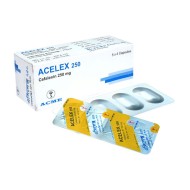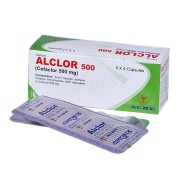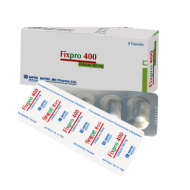
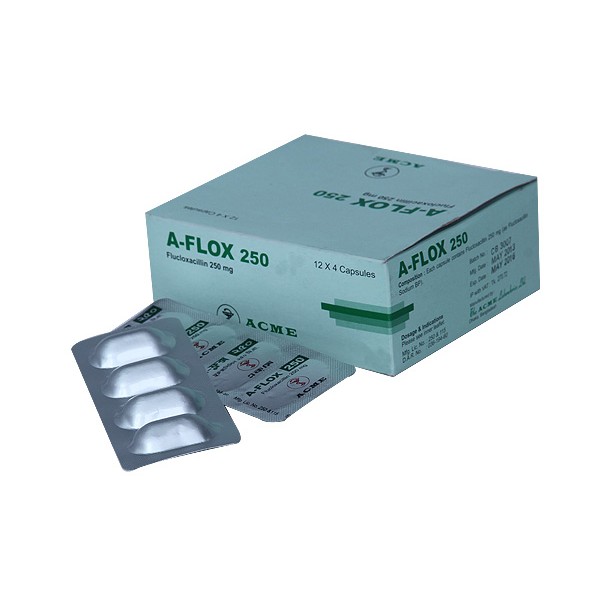
- Stock: Out Of Stock
- Brand: Acme Laboratories Limited
- Product ID: Flucloxacillin Sodium
🔒 100% Secure Payment | bKash | Nagad | SSLCommerz | COD
⭐ Become a FREE Member: 7% Extra Savings • Free Delivery • Refill Reminders • Priority Support
This Item is for pre order
A-Flox 250 mg Capsule (Flucloxacillin Sodium) — Product Overview
| Quick Reference | |
|---|---|
| Brand Name | A-Flox 250 mg |
| Generic Name | Flucloxacillin Sodium 250 mg |
| Drug Class | Beta-Lactamase Resistant Penicillin Antibiotic |
| Manufacturer | ACI Limited, Bangladesh |
| Dosage Form | Capsule |
| Strength | 250 mg per capsule (also: 500 mg capsule, 100 ml syrup, injection) |
| Key Feature | Penicillinase-resistant — active against beta-lactamase-producing Staphylococcus |
| Storage | Below 25°C, dry place, protected from light |
| Prescription Status | Prescription Required |
What is A-Flox 250mg (Flucloxacillin)?
A-Flox 250 mg Capsule contains Flucloxacillin Sodium, a narrow-spectrum, beta-lactamase-resistant penicillin antibiotic. The 250 mg strength is used for mild staphylococcal infections, paediatric dosing, and as a starting dose for sensitive patients. Flucloxacillin is the antibiotic of choice for infections caused by penicillinase-producing Staphylococcus aureus — the enzyme that renders standard penicillins like amoxicillin ineffective. A-Flox is manufactured by ACI Limited, one of Bangladesh's leading pharmaceutical companies.
Why Flucloxacillin for Staphylococcal Infections?
Most community-acquired Staphylococcus aureus strains produce penicillinase (beta-lactamase), which destroys amoxicillin and ampicillin. Flucloxacillin's isoxazolyl side chain protects it from this enzyme. It remains bactericidal against the vast majority of community S. aureus strains, making it the first-line oral antibiotic for staphylococcal skin, wound, and soft tissue infections in Bangladesh. Diabetic patients especially benefit — S. aureus is the most common pathogen in diabetic foot wounds.
Mechanism of Action
Flucloxacillin is bactericidal — it inhibits bacterial cell wall synthesis by binding to penicillin-binding proteins (PBPs), blocking transpeptidation of peptidoglycan. The resulting cell wall defect causes osmotic lysis and bacterial death. The isoxazolyl ring structure confers beta-lactamase resistance by sterically hindering enzyme access to the beta-lactam ring.
Indications
- Skin and soft tissue infections: Cellulitis, impetigo, infected wounds, boils, carbuncles, folliculitis
- Diabetic foot infections: Mild staphylococcal wound infections
- Osteomyelitis: Staphylococcal bone infection — flucloxacillin is first-line (long course)
- Septic arthritis
- Staphylococcal pneumonia
- Mastitis
- Paediatric staphylococcal infections: 250 mg dosing convenient for children and adolescents
Dosage and Administration
Adults (mild infections): 250–500 mg every 6 hours. Severe infections: 500 mg–1 g every 6 hours.
Children 2–10 years: 125–250 mg every 6 hours (or 12.5–25 mg/kg/day in 4 doses).
Neonates: 12.5–25 mg/kg every 6 hours.
Duration: Skin/soft tissue: 5–10 days. Osteomyelitis: 4–6 weeks minimum.
⚠️ Critical: Always take on an empty stomach — 30–60 minutes before meals or 2 hours after. Food reduces absorption by up to 50%. Swallow whole with a full glass of water.
A-Flox Product Range (ACI Limited)
- A-Flox 250 mg Capsule — mild infections, children, dose titration
- A-Flox 500 mg Capsule — standard adult dose for moderate infections
- A-Flox 100 ml Syrup — paediatric liquid formulation
- A-Flox 250 mg/vial IM/IV Injection — parenteral use for severe infections
- A-Flox 500 mg/vial IM/IV Injection — high-dose parenteral therapy
Contraindications
- Hypersensitivity to penicillins or cephalosporins
- History of flucloxacillin-associated jaundice or hepatic dysfunction
Side Effects
Common: GI upset, nausea, diarrhoea (especially if taken with food — always take fasting).
Uncommon: Rash, urticaria, elevated liver enzymes.
Rare but important — Cholestatic hepatitis: May occur during or up to 6 weeks after finishing flucloxacillin. Stop immediately and seek medical attention if jaundice, dark urine, or right upper abdominal pain develops.
Very rare: Anaphylaxis, pseudomembranous colitis.
Drug Interactions
- Warfarin: Flucloxacillin strongly induces CYP2C9 — INR drops significantly. Monitor closely
- Methotrexate: Reduced renal clearance — risk of toxicity
- Probenecid: Increases flucloxacillin plasma levels
Frequently Asked Questions (FAQ)
Q: Can A-Flox 250mg treat all bacterial skin infections?
A: A-Flox treats staphylococcal infections specifically. It is not effective against Gram-negative bacteria, MRSA, or most other organisms. Use only for confirmed or strongly suspected staphylococcal infections as directed by a doctor.
Q: Why must A-Flox be taken on an empty stomach?
A: Food reduces flucloxacillin absorption by up to 50%, potentially making the treatment sub-therapeutic. Always take 30–60 minutes before a meal or 2 hours after eating.
Q: Is A-Flox 250mg safe for children?
A: Yes. Flucloxacillin is safe for children at appropriate weight-based doses. For children under 2, use only under medical supervision. The 250 mg capsule or syrup is typically used for paediatric dosing.
Q: What is the difference between flucloxacillin and cloxacillin?
A: Both are beta-lactamase-resistant penicillins with the same mechanism. Flucloxacillin has slightly better oral bioavailability and is more commonly used in many countries. In Bangladesh, both are available; flucloxacillin (A-Flox) is generally preferred where available.
Medical Disclaimer
For educational purposes only. Use only as prescribed. Report jaundice, dark urine, or right upper abdominal pain during or after flucloxacillin treatment immediately to a doctor.