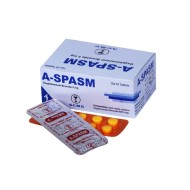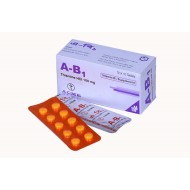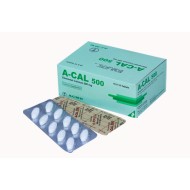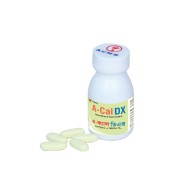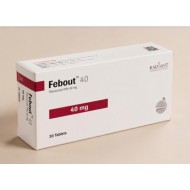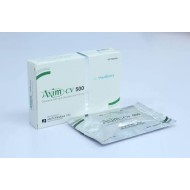
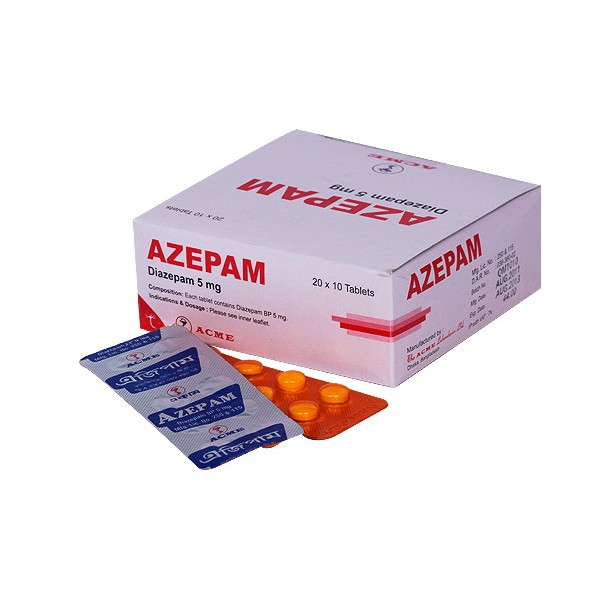
- Stock: Out Of Stock
- Brand: Acme Laboratories Limited
- Product ID: Diazepam
Available Options
🔒 100% Secure Payment | bKash | Nagad | SSLCommerz | COD
⭐ Become a FREE Member: 7% Extra Savings • Free Delivery • Refill Reminders • Priority Support
This Item is for pre order
Azepam 5mg Tablet — Diazepam for Anxiety, Muscle Spasm & Adjunct Therapy
| Attribute | Details |
|---|---|
| Brand Name | Azepam |
| Generic Name | Diazepam |
| Strength | 5 mg |
| Dosage Form | Tablet |
| Pack Size | 1 strip (10 tablets) |
| Drug Class | Benzodiazepine / GABA-A Receptor Positive Allosteric Modulator |
| Manufacturer | Acme Laboratories Ltd., Bangladesh |
| Route of Administration | Oral |
About Azepam 5mg Tablet
Azepam 5mg Tablet is an oral benzodiazepine preparation containing diazepam 5 mg per tablet, manufactured by Acme Laboratories Ltd., Bangladesh. Diazepam is one of the most widely used benzodiazepines globally and is included on the WHO Model List of Essential Medicines. It exerts anxiolytic, sedative-hypnotic, muscle relaxant, and anticonvulsant effects through positive allosteric modulation of GABA-A receptors in the central nervous system. Azepam 5mg Tablet is indicated for short-term management of anxiety disorders, alcohol withdrawal symptoms, skeletal muscle spasm, and as an adjunct in the management of epileptic seizures. The 5mg tablet is a versatile mid-range dose suitable for adult anxiolysis, muscle relaxation, and as a starting dose for alcohol withdrawal management.
Mechanism of Action
Diazepam binds to the benzodiazepine recognition site on the GABA-A receptor complex — a ligand-gated chloride ion channel — at a site distinct from the GABA binding site. This binding potentiates the effect of GABA (gamma-aminobutyric acid), the principal inhibitory neurotransmitter in the central nervous system: diazepam increases the frequency of GABA-mediated chloride channel opening, resulting in membrane hyperpolarisation and reduced neuronal excitability. The net effect is CNS depression across multiple systems: the limbic system (anxiolysis), the reticular activating system (sedation and hypnosis), the spinal cord (skeletal muscle relaxation via presynaptic inhibition of polysynaptic reflexes), and cortical-subcortical circuits (anticonvulsant effect). Unlike GABA itself, diazepam does not open chloride channels directly — it requires endogenous GABA to be present; this provides a natural ceiling to CNS depression. Diazepam is distinguished from other benzodiazepines by its long elimination half-life (20–100 hours) and pharmacologically active metabolites (desmethyldiazepam, oxazepam), which contribute to prolonged duration of effect.
Indications and Clinical Use
Anxiety disorders: Diazepam provides rapid and effective short-term anxiolysis for generalised anxiety, situational anxiety (anticipatory anxiety before medical procedures or surgery), and panic attacks. It is not recommended for long-term monotherapy of anxiety disorders due to tolerance development and dependence risk — modern guidelines reserve it for acute or short-term use (2–4 weeks maximum) or episodic use for specific anxiogenic situations. Skeletal muscle spasm: Diazepam 5mg is highly effective for acute muscle spasm associated with back pain, torticollis, musculoskeletal injury, or tetanus. Its centrally mediated muscle relaxant action differs from peripherally acting agents (baclofen). Alcohol withdrawal: Diazepam remains the gold standard for managing alcohol withdrawal syndrome (AWS), preventing progression to delirium tremens and withdrawal seizures through its long duration of action. Epilepsy adjunct: Oral diazepam is used as add-on therapy in refractory epilepsy; rectal or IV diazepam is used for acute seizure management. Procedural sedation: Diazepam provides effective anxiolysis and mild sedation for anxious patients before minor medical or dental procedures.
Dosage and Administration
Anxiety in adults: 2–10 mg two to four times daily depending on severity; Azepam 5mg tablets are scored for halving if required. Muscle spasm: 5–10 mg three to four times daily for acute spasm; reduce after 48–72 hours as spasm resolves. Alcohol withdrawal: variable according to symptom-triggered or fixed-schedule protocol — typically 10–20 mg initial dose, reducing over 5–10 days. Elderly patients: start with the lowest effective dose (2–2.5 mg, i.e., half an Azepam 5mg tablet) due to reduced hepatic metabolism, increased CNS sensitivity, and fall risk. Duration: benzodiazepine therapy must not exceed 2–4 weeks for anxiety or insomnia indications without reassessment. Tablets should be swallowed whole or halved as directed; may be taken with or without food.
Anxiety and Diabetes — Clinical Intersection
Anxiety disorders are significantly more prevalent in people with diabetes mellitus than in the general population — meta-analyses estimate approximately 20% of diabetic patients have clinically significant anxiety. The bidirectional relationship is well-established: anxiety activates the hypothalamic-pituitary-adrenal (HPA) axis, raising cortisol and catecholamines, which directly antagonise insulin action and raise blood glucose. Conversely, the burden of chronic disease management, hypoglycaemia fear, complication worry, and self-monitoring tasks contribute to diabetic anxiety. Effective short-term anxiolytic management with Azepam 5mg, when indicated under physician supervision, can interrupt the anxiety-hyperglycaemia cycle and improve patient engagement with diabetes self-management. However, clinicians should note that benzodiazepines may mask hypoglycaemia symptoms (trembling, tachycardia) in diabetic patients on insulin or sulfonylureas — blood glucose monitoring should be maintained during benzodiazepine use.
Important Safety Information
Dependence and withdrawal: All benzodiazepines including diazepam carry risk of physical and psychological dependence with regular use beyond 2–4 weeks. Abrupt discontinuation after prolonged use can precipitate severe withdrawal symptoms including seizures — doses must be tapered gradually under physician supervision. Tolerance: Sedative and hypnotic effects diminish with continuous use within 1–2 weeks; anxiolytic and muscle relaxant effects persist somewhat longer. CNS depression: Diazepam potentiates the CNS-depressant effects of alcohol, opioids, antihistamines, antipsychotics, and other sedatives — concurrent use is contraindicated or requires careful dose adjustment. Respiratory depression: Significant respiratory depression risk with high doses or in patients with respiratory insufficiency (COPD, sleep apnoea). Elderly: Increased risk of falls, confusion, and paradoxical agitation in elderly patients. Pregnancy: Category D — diazepam crosses the placenta and can cause neonatal withdrawal and floppy infant syndrome; avoid unless benefit clearly outweighs risk. Driving: Impairs reaction time and judgment — patients must not drive or operate machinery.
Frequently Asked Questions (FAQ)
Q1: Is Azepam 5mg addictive?
Diazepam carries a recognised risk of physical and psychological dependence, particularly with regular use beyond 2–4 weeks. Short-term, intermittent, or as-needed use for acute anxiety episodes carries substantially lower dependence risk than daily continuous use. When used strictly as prescribed for short-term anxiety management, the clinical benefit typically outweighs the risk in most patients. The risk is highest in patients with a history of substance use disorders, who should use benzodiazepines only under close medical supervision. If discontinuing after regular use, diazepam must be tapered gradually — abrupt stopping can cause severe withdrawal including seizures.
Q2: Can Azepam 5mg be taken with metformin or insulin?
There are no direct pharmacokinetic interactions between diazepam and metformin, insulin, or most common oral hypoglycaemic agents. However, benzodiazepines can mask adrenergic symptoms of hypoglycaemia (trembling, palpitations, sweating) — though diaphoresis (sweating) and cognitive symptoms usually remain. Diabetic patients on insulin or sulfonylureas taking Azepam should monitor blood glucose more frequently. Alcohol, which many patients use to self-medicate anxiety, interacts dangerously with diazepam (potentiates CNS depression) and independently worsens glycaemic control — both alcohol and benzodiazepines should not be combined.
Q3: How quickly does Azepam 5mg work?
Oral diazepam is rapidly absorbed, with onset of anxiolytic effect typically within 15–45 minutes of ingestion and peak plasma concentration at 1–1.5 hours. The subjective calming effect is often noticeable within 30 minutes. Duration of action is long due to diazepam's long half-life (20–100 hours) and active metabolites — sedation and mild anxiolysis may persist for 6–12+ hours after a single 5mg dose. This long duration makes diazepam particularly suitable for sustained anxiety management and alcohol withdrawal but means cumulative sedation can occur with repeated dosing.
Q4: Can Azepam 5mg be taken for muscle back pain at night?
Yes — diazepam 5mg is commonly used for acute musculoskeletal back pain or neck spasm, often taken at night to combine muscle relaxation with improved sleep. A single 5mg dose at bedtime provides centrally mediated muscle relaxant effect during sleep while the patient is not driving. Daytime doses are appropriate for more severe spasm when ambulatory muscle relaxation is needed, though drowsiness limits daytime use for many patients. Short-term use (5–7 days) is appropriate for acute spasm; longer-term use for chronic back pain is not recommended due to tolerance and dependence risk.
Medical Disclaimer: Azepam 5mg Tablet (diazepam) is a controlled substance requiring a valid prescription. This information is for educational purposes. Diazepam carries risks of dependence, tolerance, and withdrawal. Never self-medicate with diazepam or adjust doses without physician guidance. Not for use in pregnancy without specialist consultation.