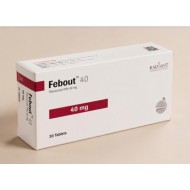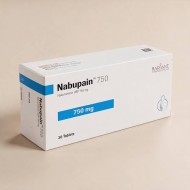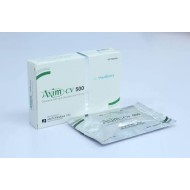
- Stock: In Stock
- Brand: Square Pharmaceuticals
- Product ID: NSAIDs and Antigout Preparations
Available Options
🔒 100% Secure Payment | bKash | Nagad | SSLCommerz | COD
⭐ Become a FREE Member: 7% Extra Savings • Free Delivery • Refill Reminders • Priority Support
| Generic Name | Allopurinol |
| Strength | 300 mg |
| Dosage Form | Tablet |
| Manufacturer | Square Pharmaceuticals PLC |
| Therapeutic Class | Xanthine Oxidase Inhibitor (Uricosuric / Antigout Agent) |
| Pack Size | Each box contains tablets in blister strips |
Overview
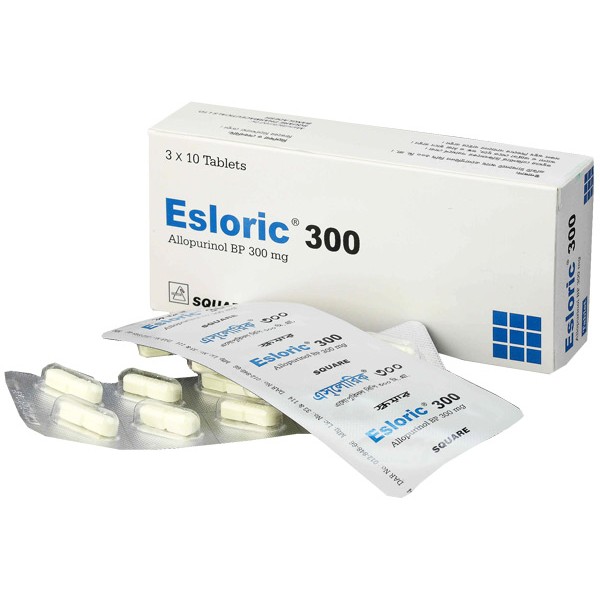
Esloric 300 mg Tablet contains Allopurinol, a xanthine oxidase inhibitor manufactured by Square Pharmaceuticals PLC. Allopurinol reduces the production of uric acid by blocking xanthine oxidase — the enzyme responsible for converting hypoxanthine and xanthine to uric acid. It is used for the long-term management of gout (hyperuricaemia), prevention of uric acid and calcium oxalate kidney stones, management of tumour lysis syndrome (to prevent uric acid nephropathy in patients receiving chemotherapy), and Lesch-Nyhan syndrome.
Dosage and Administration
Adults: initially 100–300 mg once daily after meals; increase by 100 mg at 3–4 week intervals; typical maintenance 200–600 mg/day in single or divided doses depending on serum urate levels. Maximum 900 mg/day. Reduce dose in renal impairment. Take with plenty of water.
Interaction
Azathioprine and mercaptopurine — allopurinol inhibits their metabolism; reduce dose to 25% of usual if co-prescribed. Warfarin — enhanced anticoagulant effect; monitor INR. Ampicillin/amoxicillin — increased risk of rash. ACE inhibitors — increased risk of hypersensitivity. Ciclosporin — plasma levels may increase.
Contraindications
Contraindicated in acute gout attack (do not initiate during attack — can precipitate further attacks), known hypersensitivity to allopurinol. Caution with HLA-B*58:01 allele carriers (high risk of Stevens-Johnson syndrome — common in Asian populations; genetic screening recommended before starting in high-risk populations).
Side Effects
Most commonly: rash (including maculopapular rash — may require discontinuation). Serious but rare: Stevens-Johnson syndrome, toxic epidermal necrolysis (TEN) — particularly in patients of Asian ancestry with HLA-B*58:01 allele. GI disturbances, headache, and drowsiness.
Pregnancy and Lactation
Use with caution in pregnancy — limited data; risk-benefit assessment essential. Passes into breast milk — use with caution.
Precautions and Warnings
Never initiate during an acute gout attack — start at least 2–4 weeks after attack resolution. During initiation, a prophylactic colchicine or NSAID is often co-prescribed to prevent acute attacks. Maintain high fluid intake (2–3 litres/day). Discontinue immediately if serious skin reaction occurs.
Storage Conditions
Store below 25°C in a cool, dry place. Keep out of the reach of children.
Frequently Asked Questions
Why should allopurinol not be started during an acute gout attack?
Initiating allopurinol during an acute attack causes fluctuations in uric acid levels that can mobilise urate deposits and prolong or worsen the attack; it should be started at least 2–4 weeks after full resolution of the attack.
Is genetic testing necessary before starting allopurinol?
In populations with high prevalence of the HLA-B*58:01 allele (Han Chinese, Thai, Korean, and certain South Asian populations), pre-treatment genetic screening is recommended, as this allele dramatically increases the risk of life-threatening skin reactions (Stevens-Johnson syndrome / toxic epidermal necrolysis).
This content is for informational purposes only and does not substitute professional medical advice. Please consult a registered physician before taking any medication.