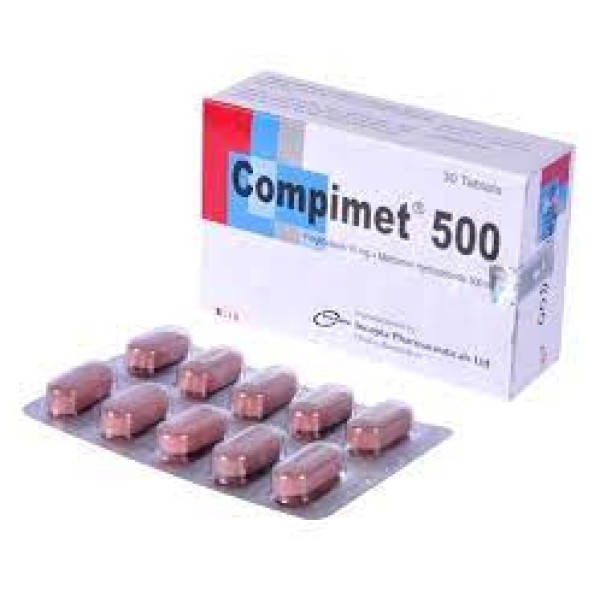
- Stock: Out Of Stock
- Brand: Incepta Pharmaceuticals
- Product ID: Pioglitazone + Metformin Hydrochloride
🔒 100% Secure Payment | bKash | Nagad | SSLCommerz | COD
⭐ Become a FREE Member: 7% Extra Savings • Free Delivery • Refill Reminders • Priority Support
This Item is for pre order
| Generic Name | Metformin Hydrochloride |
| Brand Name | Compimet 500 |
| Manufacturer | Incepta Pharmaceuticals Ltd., Bangladesh |
| Dosage Form | Tablet |
| Strength | 500 mg |
| Pack Size | Blister Strip |
| Drug Class | Biguanide |
| Prescription Required | Yes — Rx Only |
| Onset / Peak / Duration | Onset within days-weeks for full effect / Peak plasma ~2.5 hours / Duration ~6-8 hours (multiple daily doses typical) |
What is Compimet 500?
Compimet 500 is a biguanide antidiabetic (Metformin Hydrochloride) manufactured by Incepta Pharmaceuticals Ltd., used as a first-line treatment for type 2 diabetes mellitus. It improves blood glucose control without typically causing weight gain or hypoglycemia when used alone.
Generic Name and Composition
Each tablet contains 500 mg of Metformin Hydrochloride.
Indications
- Type 2 diabetes mellitus, as first-line therapy, alone or combined with other antidiabetic agents
- Used as an adjunct to diet and exercise to improve glycemic control
- Polycystic ovary syndrome (PCOS) related insulin resistance, as directed by a physician
How It Works — Mechanism of Action
Metformin lowers blood glucose primarily by reducing hepatic glucose production, decreasing intestinal glucose absorption, and improving peripheral insulin sensitivity, leading to increased glucose uptake by muscle. It does not stimulate insulin secretion, which is why it carries a low risk of hypoglycemia when used alone.
Dosage and Administration
- Dosage is individualized by a physician based on blood glucose response and tolerability.
- Typically started at a lower dose, two to three times daily, and gradually increased to reduce gastrointestinal side effects.
- Take with or immediately after meals to minimize stomach upset.
- Swallow the tablet whole with water — do not crush or chew unless instructed otherwise.
- If a dose is missed, take it with the next meal; do not double up.
Side Effects
Common: Nausea, vomiting, diarrhea, abdominal discomfort, metallic taste (usually transient and dose-related).
Uncommon: Vitamin B12 deficiency with long-term use, reduced appetite.
Rare: Lactic acidosis (a serious but rare complication, more likely with renal impairment), severe allergic reactions.
Drug Interactions
Increased lactic acidosis risk: Iodinated contrast media (temporary discontinuation often advised before/after imaging), alcohol in excess.
May affect blood glucose control: Corticosteroids, diuretics, certain other antidiabetic agents (additive hypoglycemia risk in combination).
Other considerations: Inform your doctor of all medicines you are taking, especially before any contrast-imaging procedure.
Contraindications
- Severe renal impairment
- Known hypersensitivity to metformin or any excipient
- Acute or chronic metabolic acidosis, including diabetic ketoacidosis
- Conditions predisposing to tissue hypoxia (severe heart failure, respiratory failure, recent myocardial infarction)
Pregnancy and Lactation
Metformin is generally considered relatively safe during pregnancy and breastfeeding when prescribed by a physician, though individualized assessment is required. Consult your doctor before use if pregnant, planning pregnancy, or breastfeeding.
Precautions and Warnings
- Temporarily discontinue before procedures involving iodinated contrast media, as advised by your physician, due to acute kidney injury risk.
- Use with caution in patients with reduced kidney function; periodic renal function monitoring is recommended.
- Avoid excessive alcohol intake, which increases the risk of lactic acidosis.
- Seek immediate medical attention for symptoms of lactic acidosis (unusual muscle pain, difficulty breathing, abdominal pain, severe tiredness).
- Long-term use may require periodic vitamin B12 monitoring.
Overdose
Metformin overdose can lead to lactic acidosis, presenting with malaise, abdominal pain, muscle cramps, and difficulty breathing. This is a medical emergency requiring immediate hospital care, which may include hemodialysis to remove the drug and correct acidosis.
Storage Instructions
- Store below 30°C in a cool, dry place, away from direct sunlight and moisture.
- Keep out of reach of children.
- Do not use after the expiry date printed on the pack.
Frequently Asked Questions
Q1: Why does Compimet 500 need to be taken with food?
Taking it with or after meals helps reduce common gastrointestinal side effects such as nausea and stomach upset.
Q2: Will Compimet 500 cause hypoglycemia?
When used alone, metformin has a low risk of causing hypoglycemia since it does not stimulate insulin secretion; risk increases when combined with sulfonylureas or insulin.
Q3: Can I stop taking Compimet 500 before a hospital scan?
You may need to temporarily stop metformin before and after procedures using iodinated contrast dye — always follow your physician's specific instructions.
Q4: How does Compimet 500 compare to Compimet 850?
Both contain the same metformin hydrochloride; the 850mg strength delivers a higher dose per tablet, which may allow fewer tablets per day depending on your physician's prescribed regimen.
Medical Disclaimer
This product is available by prescription only (Rx) and should be used under medical supervision. The information provided is for educational purposes and does not replace professional medical advice. Always consult a registered physician before starting, stopping, or changing any medication. DiabetesStore.com.bd is a licensed online pharmacy in Bangladesh.