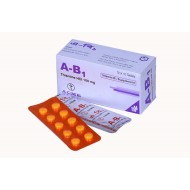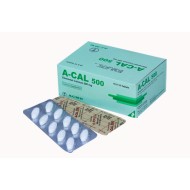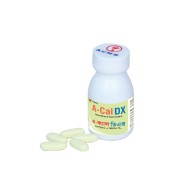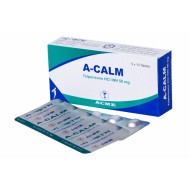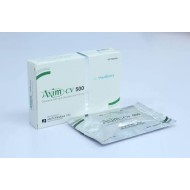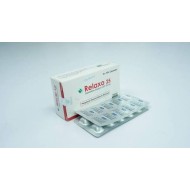
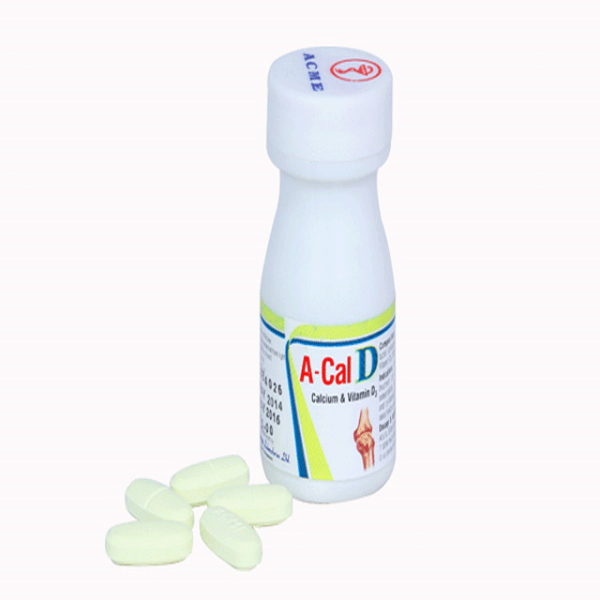
- Stock: Out Of Stock
- Brand: Acme Laboratories Limited
- Product ID: Calcium 500 mg + Vitamin D3 200 IU Tablet
🔒 100% Secure Payment | bKash | Nagad | SSLCommerz | COD
⭐ Become a FREE Member: 7% Extra Savings • Free Delivery • Refill Reminders • Priority Support
This Item is for pre order
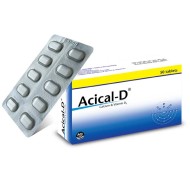
A-Cal D 30s (Calcium Carbonate + Vitamin D3) — Product Overview
| Quick Reference | |
|---|---|
| Brand Name | A-Cal D 30s Tablet |
| Generic Name | Calcium Carbonate 500 mg + Cholecalciferol (Vitamin D3) 200 IU |
| Drug Class | Calcium Supplement + Vitamin D3 Combination |
| Manufacturer | ACI Limited, Bangladesh |
| Dosage Form | Tablet |
| Pack Size | 30 tablets per pack (best value for ongoing supplementation) |
| Key Benefit | Bone strength, osteoporosis prevention, calcium + Vitamin D3 deficiency |
| Storage | Below 30°C, dry place, away from direct sunlight |
| Prescription Status | OTC / Available Without Prescription |
What is A-Cal D 30s?
A-Cal D 30s is the 30-tablet economy pack of A-Cal D, providing one month of daily calcium and Vitamin D3 supplementation in a single purchase. Each tablet contains Calcium Carbonate 500 mg (equivalent to 200 mg elemental calcium) and Cholecalciferol (Vitamin D3) 200 IU. Vitamin D3 is essential for intestinal calcium absorption — without adequate Vitamin D, the intestine may absorb as little as 10–15% of dietary calcium. The combination ensures calcium is both provided and absorbed effectively. A-Cal D 30s is the recommended pack size for ongoing supplementation, offering better value than the 15-tablet pack.
Why Calcium + Vitamin D3 Together?
Calcium and Vitamin D3 have a synergistic relationship essential for bone health. Vitamin D3 is converted in the liver and kidney to its active form (calcitriol), which increases calcium absorption in the intestine from around 10–15% (without Vitamin D) to 30–40%. This means taking calcium alone without sufficient Vitamin D3 yields poor absorption. Conversely, Vitamin D3 without adequate calcium intake cannot build bone effectively. The A-Cal D combination addresses both components simultaneously, making it the preferred approach over taking them separately.
Who Needs A-Cal D Supplementation?
- Post-menopausal women: Oestrogen loss accelerates bone resorption. Combined calcium + D3 reduces hip fracture risk. Most osteoporosis guidelines recommend 1,000–1,200 mg calcium and 800–1,000 IU D3 daily.
- People with diabetes (Type 1 and Type 2): Diabetes is associated with lower bone density and increased fracture risk. Vitamin D deficiency is highly prevalent among people with diabetes in Bangladesh. Vitamin D also plays a role in insulin secretion and insulin sensitivity.
- Elderly adults (65+): Intestinal calcium absorption declines with age. Reduced outdoor activity limits sun-induced D3 synthesis.
- Pregnant and breastfeeding women: Higher calcium demand for foetal skeletal development. RDA increases to 1,000–1,300 mg/day.
- People on long-term steroids: Corticosteroids (prednisolone, dexamethasone) significantly increase bone loss — calcium + D3 supplementation is standard co-prescribing.
- Adolescents and growing children: Peak bone mass accumulation occurs up to age 25 — adequate calcium during this period determines lifelong bone strength.
Indications
- Calcium and Vitamin D deficiency prevention and treatment
- Osteoporosis prevention and management (adjunct to bisphosphonates, HRT, or denosumab)
- Osteomalacia (softening of bones due to Vitamin D deficiency)
- Rickets prevention and treatment in children
- Hypoparathyroidism
- Pregnancy and lactation supplementation
- Steroid-induced osteoporosis prevention (always co-prescribe calcium + D3 with long-term steroids)
- Post-fracture rehabilitation support
Dosage and Administration
Adults — general supplementation: 1 tablet once or twice daily, taken with food.
Osteoporosis management (with bisphosphonate or other anti-resorptive): 1 tablet twice daily (total: 1,000 mg calcium + 400 IU D3 daily from supplement). Take bisphosphonate separately on an empty stomach.
Elderly (65+): 1–2 tablets daily. Higher D3 doses (800–1,000 IU/day total) may be needed — check serum 25-OH-D if possible.
Steroid co-prescribing: 1 tablet twice daily for the duration of corticosteroid therapy.
Pregnancy: 1 tablet daily in addition to dietary calcium. Do not exceed 2,500 mg/day total calcium.
Take with meals: Calcium carbonate requires gastric acid for dissolution. Food stimulates acid secretion and improves absorption. Do not take within 2 hours of iron tablets, thyroid medication, or certain antibiotics.
Vitamin D and Diabetes — Why It Matters
Vitamin D receptors (VDR) are expressed on pancreatic beta cells. Evidence from multiple studies suggests Vitamin D3 supports insulin secretion and improves peripheral insulin sensitivity. Vitamin D deficiency — highly prevalent in Bangladesh due to dietary patterns and reduced sun exposure — is associated with an approximately 40% higher risk of Type 2 diabetes development and with poorer glycaemic control in existing diabetes. Maintaining serum 25-OH-D above 50 nmol/L is the current target. While Vitamin D supplementation is not a standalone diabetes treatment, correcting deficiency supports overall metabolic and musculoskeletal health in people with or at risk of diabetes.
Contraindications
- Hypercalcaemia (elevated blood calcium) — any cause
- Nephrolithiasis (calcium-containing kidney stones) — use with caution; ensure adequate hydration
- Severe renal impairment (eGFR <30) — reduced calcium and phosphate excretion
- Hypervitaminosis D
- Sarcoidosis, tuberculosis, or granulomatous diseases — increased risk of hypercalcaemia with Vitamin D
Side Effects
Gastrointestinal (most common): Constipation, flatulence, bloating. Increase water and fibre intake. Reducing the dose or switching to calcium citrate may help if constipation is problematic.
Less common: Nausea, abdominal discomfort.
Rare — hypercalcaemia (excess calcium): Only at very high doses or in at-risk individuals. Symptoms: fatigue, excessive thirst (polydipsia), frequent urination, confusion, constipation, kidney stones. Do not exceed 2,500 mg total calcium per day from all sources.
Important Drug Interactions
- Levothyroxine (thyroid): Calcium blocks absorption — take at least 4 hours apart
- Iron supplements: Calcium inhibits iron absorption — separate by at least 2 hours
- Bisphosphonates (alendronate, risedronate): Must be taken on empty stomach, at least 30–60 minutes before calcium
- Tetracycline/fluoroquinolone antibiotics: Calcium chelates these drugs — separate by 2 hours
- Thiazide diuretics: Reduce urinary calcium excretion — monitor for hypercalcaemia
- Digoxin: Hypercalcaemia increases digoxin toxicity risk — avoid over-supplementation
Frequently Asked Questions (FAQ)
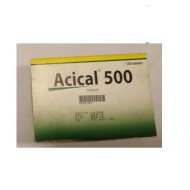
Q: How is A-Cal D 30s different from A-Cal 500 mg (without D3)?
A: A-Cal D 30s contains Calcium Carbonate 500 mg AND Vitamin D3 200 IU per tablet. A-Cal 500 mg contains only calcium. The combination with D3 is preferred because Vitamin D3 is essential for intestinal calcium absorption — calcium alone without adequate D3 is poorly absorbed.
Q: How long should I take A-Cal D?
A: Duration depends on the indication. For osteoporosis prevention, supplementation is typically long-term (years). For pregnancy, it is taken throughout and often during breastfeeding. For general supplementation, continue as long as dietary intake is insufficient. Discuss with your doctor.
Q: Can diabetic patients take A-Cal D 30s?
A: Yes. A-Cal D is safe for people with diabetes and is actually particularly beneficial — diabetes increases fracture risk, and Vitamin D3 supports both bone and metabolic health. People with diabetic nephropathy (kidney complications) should consult their doctor before supplementing.
Q: When is the best time to take A-Cal D?
A: With meals to maximise absorption. If taking two tablets daily, split into morning and evening doses with meals. If also taking thyroid hormone or iron, take A-Cal D at a separate mealtime at least 2–4 hours apart.
Medical Disclaimer
For educational purposes only. This is not medical advice. Consult your doctor or pharmacist before starting supplementation if you have kidney disease, a history of kidney stones, heart conditions, or are on multiple medications. Do not exceed recommended doses. Calcium supplementation is most beneficial when dietary intake is truly inadequate.