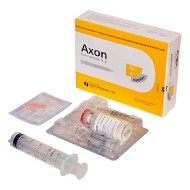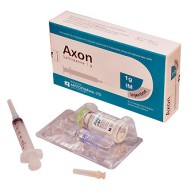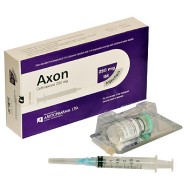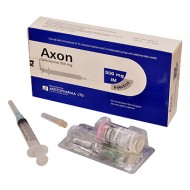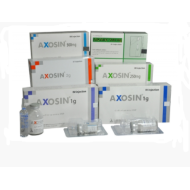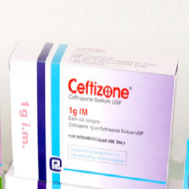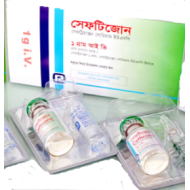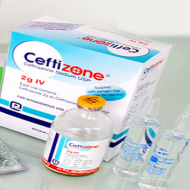
- Stock: Out Of Stock
- Brand: Beximco Pharmaceutical
- Product ID: Ceftriaxone
🔒 100% Secure Payment | bKash | Nagad | SSLCommerz | COD
⭐ Become a FREE Member: 7% Extra Savings • Free Delivery • Refill Reminders • Priority Support
This Item is for pre order
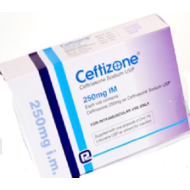
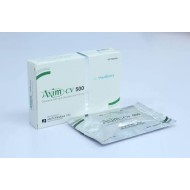
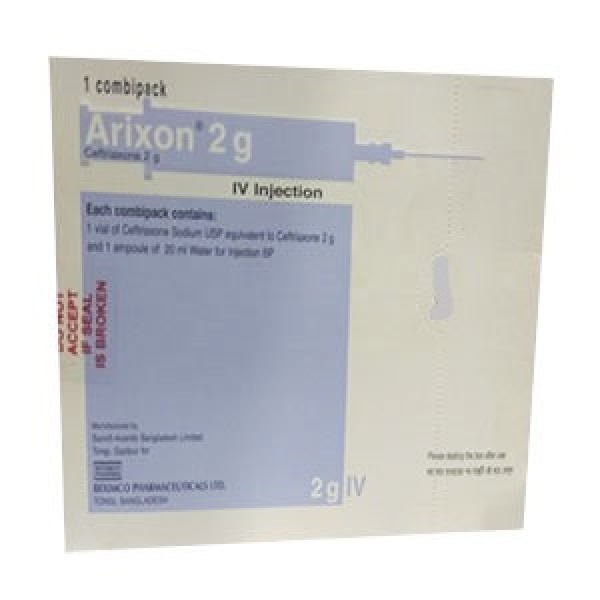
Arixon 2gm IV Injection — Ceftriaxone Sodium 2g for IV Infusion | Beximco Pharmaceuticals
| Generic Name | Ceftriaxone Sodium 2000 mg (2g) |
| Dosage Form | Powder for Solution for IV Infusion |
| Manufacturer | Beximco Pharmaceuticals Ltd. |
| Therapeutic Class | Third-Generation Cephalosporin Antibiotic — High-Dose |
| Route | Intravenous (IV) infusion only — ICU/hospital use |
| Primary Indication | Bacterial Meningitis, Severe Sepsis, CNS Infections |
| Availability | In Stock — Available Online |
Overview
Arixon 2gm IV is the high-dose ceftriaxone formulation — 2000mg (2g) for intravenous infusion — used in the most severe bacterial infections requiring maximal cephalosporin exposure. The critical distinction of the 2g dose is its ability to achieve therapeutic drug concentrations in the cerebrospinal fluid (CSF), making it the standard-of-care antibiotic for bacterial meningitis. It is also used for severe sepsis, bacteraemia from high-inoculum sources, and life-threatening infections in immunocompromised patients. Given twice daily (4g/day total) in meningitis, or once daily in severe non-CNS infections.
Why 2g and Not 1g for Meningitis?
The blood-brain barrier (BBB) significantly restricts antibiotic penetration into the CSF — typically allowing only 5–30% of plasma levels to cross. For effective bactericidal activity against meningeal pathogens (S. pneumoniae, N. meningitidis, L. monocytogenes), CSF concentrations must exceed the MIC many-fold. The 2g IV dose achieves plasma peak concentrations high enough to drive adequate CSF penetration — at 1g, CSF concentrations may be insufficient for reliable meningitis treatment.
Indications
- Bacterial Meningitis — empirical and directed therapy; 2g IV BD (q12h) is standard for adults
- Meningococcaemia / Meningococcal Septicaemia — life-threatening emergency
- Brain Abscess — adjunct to surgical drainage
- Severe Sepsis / Septic Shock (Gram-negative source) — 2g OD or BD
- Severe Pneumonia (ICU) — with additional agents per severity
- Complicated Intra-abdominal Infection — with metronidazole
- Endocarditis (viridans Streptococci, HACEK group)
- Lyme Neuroborreliosis — 2g IV OD × 14–28 days
Dosage & Administration
| Indication | Dose | Frequency | Duration |
|---|---|---|---|
| Bacterial Meningitis (adults) | 2g IV | Every 12 hours (q12h) | 10–14 days (organism-dependent) |
| Meningococcal Meningitis | 2g IV | Every 12 hours | 5–7 days |
| Severe Sepsis (Gram-negative) | 2g IV | Once daily | 7–14 days |
| Endocarditis (streptococcal) | 2g IV | Once daily | 4 weeks |
| Lyme Neuroborreliosis | 2g IV | Once daily | 14–28 days |
Reconstitution: Add 20 mL sterile water for injection to 2g vial (100mg/mL). Dilute further in 100–250 mL NaCl 0.9% or glucose 5%. Infuse IV over 30 minutes. Never mix with or administer simultaneously with calcium-containing IV solutions.
Critical Safety Warning — Calcium Incompatibility
Absolute contraindication: Do not administer Arixon 2gm IV concomitantly with any calcium-containing solution (Ringer's lactate, Hartmann's solution, calcium gluconate) via the same or parallel IV lines. Ceftriaxone-calcium precipitates can deposit in pulmonary and renal vasculature — potentially fatal, especially in neonates. In adults, flush IV line completely between ceftriaxone and calcium infusions and observe a 30-minute interval.
Special Note for Diabetic Patients
Diabetic patients in ICU settings with meningitis, severe sepsis, or other critical infections receiving Arixon 2gm IV require intensive blood glucose management. Physiological stress and corticosteroids (dexamethasone is co-administered in meningitis) cause significant hyperglycaemia. Continuous glucose monitoring and insulin infusion protocols are typically implemented in ICU patients.
Side Effects
- Local: Infusion site phlebitis
- GI: Diarrhoea (higher incidence at 2g vs 1g), nausea; C. difficile colitis risk
- Biliary: Biliary sludge — more common with prolonged high-dose therapy
- CNS: Encephalopathy, seizures at very high doses (rare) — risk higher in renal impairment
- Haematological: Neutropenia, thrombocytopenia
- Hypersensitivity: Rash, urticaria, anaphylaxis
Storage
- Unreconstituted: below 25°C, protected from light. Reconstituted IV solution: use within 6 hours at room temperature or 24 hours refrigerated. Never freeze. Never mix with calcium-containing solutions.
FAQ
Q1: Is Arixon 2gm IV available for outpatient purchase?
The 2g IV vial can be dispensed with a physician's prescription. However, it requires trained IV administration in a clinical setting (hospital, ICU, or home IV nursing service). Bacterial meningitis and severe sepsis require emergency hospitalisation — this product is generally used in-hospital.
Q2: Why is ceftriaxone 2g given every 12 hours for meningitis but once daily for pneumonia?
For meningitis, achieving and maintaining CSF drug concentrations above the MBC (minimum bactericidal concentration) requires more frequent dosing because CSF levels are only 5–30% of plasma levels and must be sustained throughout the 12-hour interval. For pneumonia, lung tissue concentrations are much higher than plasma (ceftriaxone concentrates in pulmonary tissue), so once-daily dosing is sufficient.
Q3: Should dexamethasone be given with ceftriaxone in bacterial meningitis?
Yes — current guidelines (WHO, IDSA, BNF) recommend IV dexamethasone 0.15 mg/kg every 6 hours for 4 days, given 15–20 minutes before or concurrently with the first ceftriaxone dose. Dexamethasone reduces meningeal inflammation, lowers CSF cytokine levels, and decreases morbidity (hearing loss, neurological sequelae). This is a specialist-directed decision in the hospital setting.
Medical Disclaimer: ICU/hospital use only. Must be prescribed and administered by specialist physicians with intensive monitoring.