- Stock: Pre-Order
- Brand: Aristopharma
- Product ID: Ceftriaxone
🔒 100% Secure Payment | bKash | Nagad | SSLCommerz | COD
⭐ Become a FREE Member: 7% Extra Savings • Free Delivery • Refill Reminders • Priority Support
This Item is for pre order
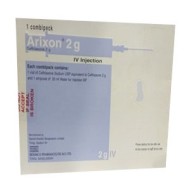
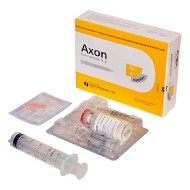
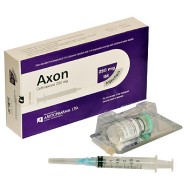
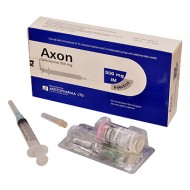
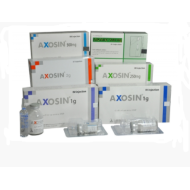
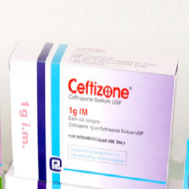
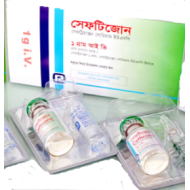
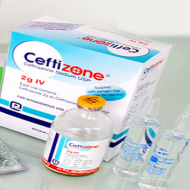
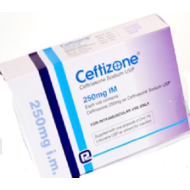
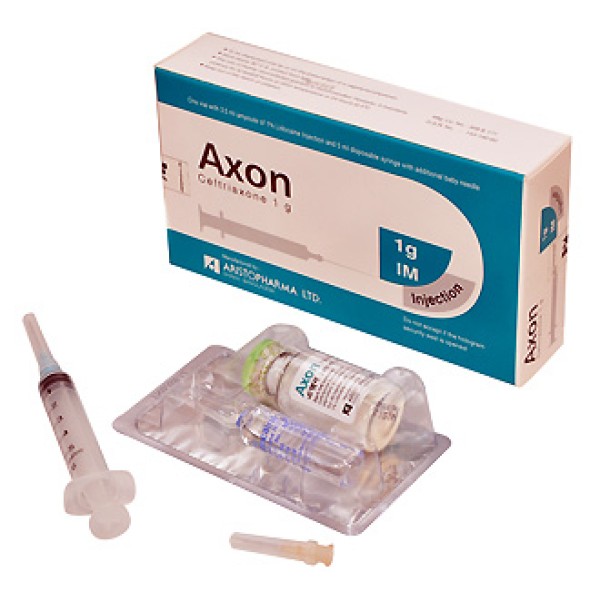
Axon IM 1 gm Injection (Ceftriaxone 1 g) — IM Formulation
| Brand Name | Axon IM 1 gm IV Injection |
|---|---|
| Generic Name | Ceftriaxone Sodium |
| Manufacturer | ACI Limited, Bangladesh |
| Strength | 1 g (1000 mg) per vial |
| Dosage Form | Powder for Injection (Primary: IM; also IV) |
| Drug Class | Third-Generation Cephalosporin Antibiotic |
| Dosing | 1 g Once Daily (most indications) |
| Prescription Status | Prescription Only Medicine (POM) |
Axon IM 1 gm — Intramuscular Ceftriaxone for Outpatient Parenteral Therapy
Axon IM 1 gm is a ceftriaxone sodium 1 g injection by ACI Limited, specifically formatted and presented for intramuscular (IM) administration — the preferred route when intravenous access is not available, when the patient is managed in an outpatient or home healthcare setting, or when treatment in a clinic without IV infusion facilities is required. Once-daily IM ceftriaxone is a well-established approach to outpatient parenteral antibiotic therapy (OPAT) globally, and in Bangladesh provides a practical solution for patients with serious bacterial infections who do not require full hospitalisation.
In the management of diabetic foot infections, completing a 7–14 day course of IV/IM ceftriaxone often becomes a logistical challenge if the patient is medically stable enough for discharge but still needs parenteral antibiotics. Daily IM Axon 1 gm at a clinic or pharmacy injection facility bridges this gap effectively — maintaining therapeutic antibiotic exposure while enabling the patient to manage diabetes and wound care in a familiar environment.
IM vs IV Ceftriaxone — Key Differences
- Bioavailability: IM ceftriaxone achieves essentially 100% bioavailability — equivalent to IV administration for systemic infections. Peak plasma concentrations are reached within 1–1.5 hours post-IM injection versus ~30 minutes for IV infusion.
- Practicality: IM requires no IV line, no infusion equipment, no trained IV nurse — one injection at a clinic takes under 2 minutes versus 30+ minutes for IV infusion. This makes OPAT via IM ceftriaxone far more accessible in Bangladesh's healthcare landscape.
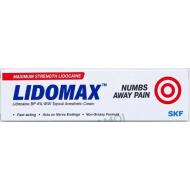
- Pain: IM ceftriaxone causes significant injection site burning and pain without pain mitigation. Reconstitution with 1% lidocaine (without adrenaline) is the WHO-endorsed standard that dramatically reduces discomfort.
- Tissue concentrations: IM and IV routes achieve comparable steady-state tissue concentrations for skin, soft tissue, lung, and urinary tract. IV is preferred when rapid peak concentrations are critical (severe sepsis, meningitis).
- Site selection: Upper outer quadrant of the gluteus maximus (ventrogluteal or dorsal gluteal) or vastus lateralis (lateral thigh). Rotate sites for multi-day courses.
Dosage and IM Reconstitution
- Standard adult dose: 1 g IM once daily
- Reconstitution for IM: Add 3.5 ml of 1% lidocaine HCl injection (without adrenaline/epinephrine) to 1 g vial; shake well until powder completely dissolves; administer deep IM into large muscle immediately
- Do NOT use: Sterile water for IM — causes severe pain. Lidocaine is essential for tolerable IM administration.
- Volume: ~4 ml after reconstitution — suitable for a single IM injection at one site
- Duration: Defined by infection type — typically 7–14 days for DFI, CAP, or typhoid; physician-guided
- Storage after reconstitution: Use immediately; if stored, refrigerate (2–8°C) and use within 24 hours
Key Indications Suited to IM Route
- Outpatient diabetic foot infection follow-up: Moderate DFI in a patient discharged from hospital; daily IM ceftriaxone at a clinic avoids re-admission while maintaining effective parenteral coverage
- Community-acquired pneumonia (CAP), mild-moderate: IM once daily allows treatment in outpatient or community settings without hospitalisation
- Typhoid fever, uncomplicated: IM ceftriaxone is standard care in Bangladesh for culture-confirmed or clinically diagnosed enteric fever in outpatient management
- Complicated UTI / pyelonephritis: IM once daily for 5–7 days pending culture and sensitivity; step down to oral if sensitive organism identified
- Skin and soft tissue infections (SSTI): IM covers gram-positive and gram-negative organisms in cellulitis and skin abscess post-drainage requiring systemic cover
Frequently Asked Questions (FAQ)
Is IM ceftriaxone as effective as IV for diabetic foot infection?
Yes — for moderate diabetic foot infections (and most other systemic infections), IM ceftriaxone achieves equivalent therapeutic plasma and tissue drug concentrations as IV administration. Multiple clinical trials and meta-analyses confirm comparable clinical cure rates for IM vs IV ceftriaxone in community-acquired pneumonia, UTI, and soft tissue infections. IM is not preferred for life-threatening conditions requiring immediate peak concentrations (severe sepsis, meningitis) where IV infusion delivers drug faster. For outpatient DFI management after initial IV stabilisation, daily IM ceftriaxone is a practical and clinically validated approach.
Why must lidocaine be used to reconstitute ceftriaxone IM?
Ceftriaxone powder reconstituted with sterile water produces a solution with high osmolarity that causes intense burning pain at the injection site. Lidocaine 1% (without adrenaline) acts as a local anaesthetic that numbs the injection site tissue as the antibiotic is injected, dramatically reducing pain. This is the WHO-recommended and internationally accepted standard for IM ceftriaxone preparation. Using water instead of lidocaine makes the injection unnecessarily painful and reduces patient compliance with daily OPAT regimens — which is particularly important for diabetic patients needing complete antibiotic courses for foot infections.
Where should Axon IM 1 gm be injected?
Inject deep into a large muscle mass. The preferred sites are: (1) the upper outer quadrant of the gluteus maximus (buttock) using a 21–23G needle of appropriate length for the patient's body habitus — this is the most common clinical practice in Bangladesh; (2) the ventrogluteal site (anterolateral hip) for reduced risk of sciatic nerve injury; (3) the vastus lateralis (anterolateral thigh) as an alternative. For multi-day courses, rotate injection sites. Aspirate before injecting (though not universally practised) and inject slowly over 5–10 seconds. Apply gentle pressure after withdrawal.
Can a diabetic patient's family member administer IM ceftriaxone at home?
While home IM ceftriaxone administration by trained family caregivers is practised in some settings, it requires proper training in sterile technique, reconstitution with lidocaine, safe injection practice, and disposal of sharps. In Bangladesh, it is more common and safer to receive daily IM injections at a nearby pharmacy injection service or clinic with trained healthcare personnel. The treating physician should advise on the most appropriate setting for the patient's outpatient parenteral therapy based on local resources and the patient's specific circumstances.