- Stock: Pre-Order
- Brand: Aristopharma
- Product ID: Ceftriaxone
🔒 100% Secure Payment | bKash | Nagad | SSLCommerz | COD
⭐ Become a FREE Member: 7% Extra Savings • Free Delivery • Refill Reminders • Priority Support
This Item is for pre order
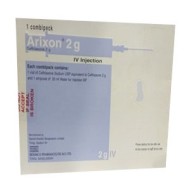
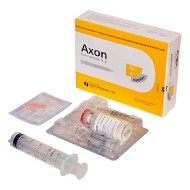
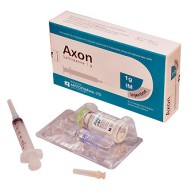
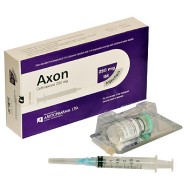
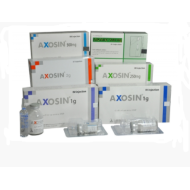
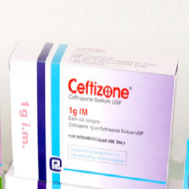
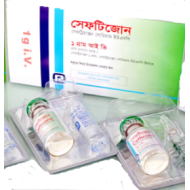
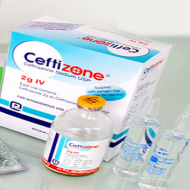
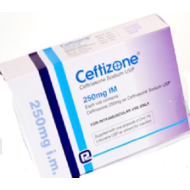
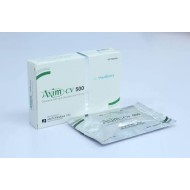
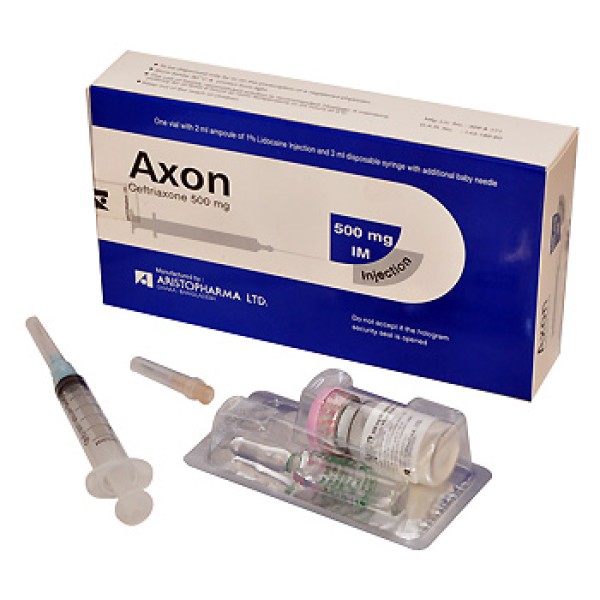
Axon IM 500 mg Injection (Ceftriaxone 500 mg) — IM Formulation
| Brand Name | Axon IM 500 mg IV Injection |
|---|---|
| Generic Name | Ceftriaxone Sodium |
| Manufacturer | ACI Limited, Bangladesh |
| Strength | 500 mg per vial |
| Dosage Form | Powder for Injection (IM/IV) |
| Drug Class | Third-Generation Cephalosporin Antibiotic |
| Primary Route | Intramuscular (IM) |
| Typical Use | Moderate bacterial infections; surgical prophylaxis; outpatient parenteral therapy |
About Axon IM 500 mg Injection
Axon IM 500 mg Injection is a ceftriaxone sodium 500 mg vial for intramuscular (IM) administration, manufactured by ACI Limited, Bangladesh. At 500 mg IM once daily, ceftriaxone achieves plasma concentrations that exceed the MIC for susceptible gram-positive and gram-negative pathogens throughout the 24-hour dosing interval — sufficient for most moderate bacterial infections encountered in outpatient and community care settings.
The 500 mg IM dose occupies a clinically important position in Bangladesh's antibiotic landscape: more powerful than what can be achieved with most oral antibiotics, yet administered in a small enough volume (approximately 2 ml after reconstitution with lidocaine) to be practical as a once-daily IM injection at a clinic or pharmacy injection service. For patients with moderate infections who do not require hospitalisation but cannot be managed with oral antibiotics alone, Axon IM 500 mg provides an effective parenteral option without IV infusion infrastructure.
Clinical Indications for 500 mg IM Dosing
- Moderate community-acquired pneumonia (CAP): 500 mg IM once daily pending clinical response; step down to oral antibiotics when fever resolves and patient can swallow reliably
- Complicated urinary tract infection (cUTI) and pyelonephritis: 500 mg IM once daily is effective for susceptible E. coli, Klebsiella, and Proteus uropathogens; switch to oral once culture and sensitivity confirm an appropriate oral agent
- Surgical site prophylaxis: A single 500 mg to 1 g IM dose administered 30–60 minutes before incision provides adequate gram-positive and gram-negative prophylaxis for clean-contaminated surgical procedures
- Skin and soft tissue infections (SSTI): Moderate cellulitis, infected wounds, and skin abscesses requiring parenteral therapy where the causative organism is expected to be gram-positive or gram-negative (not MRSA)
- Early diabetic foot infection (DFI) outpatient parenteral: 500 mg IM once daily as initial outpatient parenteral therapy for mild-moderate DFI before stepping up or down based on wound response and culture results
- Paediatric infections (15–30 kg weight range): Weight-based dosing at 50 mg/kg/day may yield a 500 mg once-daily dose in children in this weight range
IM Administration at 500 mg
- Reconstitution: Add 1.8 ml of 1% lidocaine HCl injection (without adrenaline) to the 500 mg vial; shake until powder dissolves completely. Resulting volume approximately 2.0 ml — well-tolerated at a single IM site in adults.
- Injection site: Upper outer gluteus maximus (most common), ventrogluteal site, or vastus lateralis (anterolateral thigh). Ensure adequate muscle mass for needle depth — use 21–23G needle of appropriate length.
- Injection technique: Insert needle with swift, confident motion; aspirate briefly; if no blood, inject slowly over 5–10 seconds. Apply firm pressure after withdrawal. Avoid massaging the site vigorously — may accelerate drug dispersal before local anaesthetic effect is established.
- Frequency: Once daily — the long half-life of ceftriaxone (~8 hours) allows once-daily dosing for most moderate infections
- Rotation: Alternate sides for multi-day courses to prevent local tissue reactions and injection site fatigue
- Storage: Reconstituted solution must be used within 30 minutes for optimal stability; if refrigerated, within 6 hours
Diabetes and 500 mg IM Ceftriaxone
- Outpatient DFI management: Patients with type 2 diabetes who develop mild-to-moderate foot infections can often be managed without hospitalisation using wound debridement, dressings, and once-daily IM ceftriaxone at a diabetes clinic. This approach reduces healthcare costs, exposure to nosocomial infections, and disruption to daily routines and self-care.
- Glycaemic control during infection: Bacterial infections increase counter-regulatory hormones (cortisol, glucagon, adrenaline), causing insulin resistance and hyperglycaemia. Effective antibiotic therapy with IM ceftriaxone reduces the infectious burden and helps restore glycaemic stability — blood glucose typically normalises progressively as infection resolves over 5–10 days.
- No antidiabetic drug interactions: Ceftriaxone has no pharmacokinetic interactions with metformin, sulphonylureas, insulin, DPP-4 inhibitors, SGLT-2 inhibitors, or GLP-1 receptor agonists. It can be administered alongside any antidiabetic regimen.
- Monitoring during OPAT: Patients on outpatient IM ceftriaxone should monitor blood glucose at least twice daily and attend wound assessment at each injection visit. Clinical deterioration (worsening redness, increasing exudate, fever) requires escalation to hospital admission and IV antibiotics.
Frequently Asked Questions (FAQ)
Can Axon IM 500 mg be used to treat UTI in a diabetic patient without hospitalisation?
Yes — for complicated UTI (pyelonephritis) in a diabetic patient who is clinically stable, not septic, and able to attend a clinic daily, IM ceftriaxone 500 mg once daily is a validated outpatient parenteral therapy option. Obtain urine culture before starting, and review after 48–72 hours — if culture confirms a sensitive organism with an oral agent available, step down to oral antibiotics to complete a 10–14 day total course. If the patient deteriorates (high fever, rigors, confusion), hospitalisation and IV therapy are required.
How do I know if 500 mg IM is enough or if 1 gm IV is needed?
The choice between 500 mg IM and 1 g IV (or 1 g IM) depends on infection severity, patient stability, and treatment setting. For moderate infections in a clinically stable patient without sepsis, 500 mg IM once daily usually provides sufficient antibiotic exposure. Severe infections, septicaemia, meningitis, hospitalised patients, or those with high fever and systemic toxicity require the 1 g dose and IV administration for faster, higher peak drug levels. Your treating physician will make this determination based on clinical assessment.
Is the 500 mg IM dose suitable for surgical prophylaxis in diabetic patients?
Yes — a single 500 mg to 1 g IM dose of ceftriaxone administered 30–60 minutes before surgical incision provides effective prophylaxis against gram-positive and gram-negative surgical site infections. Diabetic patients have a higher surgical site infection (SSI) risk due to impaired neutrophil function and microvascular disease, making antibiotic prophylaxis especially important. In some higher-risk procedures or those involving the lower extremities (relevant for DFI surgery), the 1 g dose may be preferred. The anaesthetic or surgical team will prescribe the appropriate prophylaxis protocol.
What are signs that outpatient IM ceftriaxone is not working?
Warning signs requiring urgent medical review or hospital admission include: worsening fever (temperature above 38.5°C) after 48–72 hours of therapy, increasing redness or swelling at the infection site, new or spreading skin discolouration (suggesting necrotising infection), confusion or altered mental status, reduced urine output, very high or very low blood glucose not responding to usual management, or any rapid clinical deterioration. If any of these occur, do not wait for the next injection appointment — seek emergency medical assessment immediately. Outpatient parenteral therapy is appropriate only for clinically stable patients with no systemic compromise.